


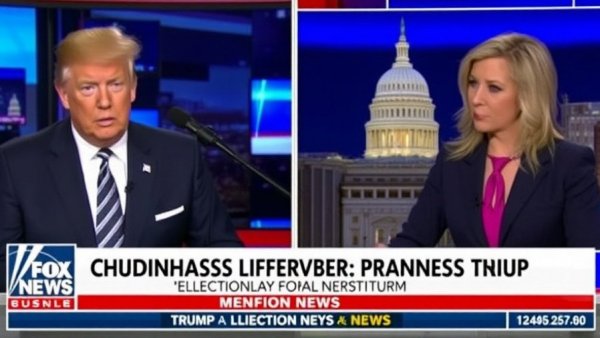
Trump's Discontent with Fox News Coverage on Election Day
On Election Day, President Donald Trump expressed his dissatisfaction with Fox News coverage via a series of rants on his Truth Social account. Citing the network’s pre-election results, Trump labeled their reporting as ‘dumb as a rock.’ This outburst reflects a growing trend in political communications where social media serves as a platform for grievances, especially among high-profile political figures.
The Impact of Media Perception on Politics
Trump's critique of Fox News is noteworthy because the channel has traditionally been seen as a friendly platform for him and his supporters. This recent fallout signals a potential shift in the relationship between prominent figures and their media allies, shedding light on how media perception can significantly impact political support and voter engagement.
Many in Pennsylvania are keenly watching how Trump's outspoken nature influences media narratives, particularly as they relate to state issues. For instance, in a state where media influence is deeply rooted in political landscapes, Trump's rants could also sway local sentiment about news coverage during crucial moments.
Social Media's Influence on Political Dialogue
As we navigate this era of increased social media transparency, it’s essential to consider the broader implications of leaders communicating frustrations online. The immediacy of social media allows for rapid feedback and creates a direct channel between politicians and the public. However, it also risks fostering an environment rife with misinformation, especially leading into significant electoral events.
For Pennsylvania residents and visitors observing these dynamics, the need for critical engagement with media sources has never been more vital. Understanding the motivations behind such rants may aid in discerning factual reporting from sensational narratives.
Political Strategies Ahead of Major Elections
As Election Day unfolds, political strategies become clearer. Trump’s social media outbursts could be seen as attempts to rally his base by framing the narrative in a manner that resonates with them. This can also create a rallying point for grievances against perceived media bias.
This type of rhetoric is particularly relevant in Pennsylvania, a pivotal state in national elections. Voters must weigh how individual candidates’ messages, influenced by media portrayals, impact their views and choices at the polls.
What This Means for Voters in Pennsylvania
For residents of Pennsylvania, Trump's comments raise questions about the reliability and integrity of news coverage leading up to elections. It points to a broader concern about media literacy and how citizens process information amidst political turmoil. With upcoming elections, it is imperative for voters to critically analyze the information presented to them and consider multiple sources.
Where Do We Go from Here?
As we head further into the election season, it’s crucial for voters to engage thoughtfully with the evolving media landscape. Seeking diverse perspectives and verifying facts are important steps toward making informed decisions. Residents should leverage the wealth of data available, including insights from trusted local news outlets, to navigate political conversations moving forward.
In these increasingly polarized times, it's essential to remain informed about trending news in PA, ensuring that everyone understands the nuances of political dialogues that impact their daily lives.
Stay engaged, stay informed, and participate actively in shaping the political narrative around you. Your voice and your vote matter.



Write A Comment