


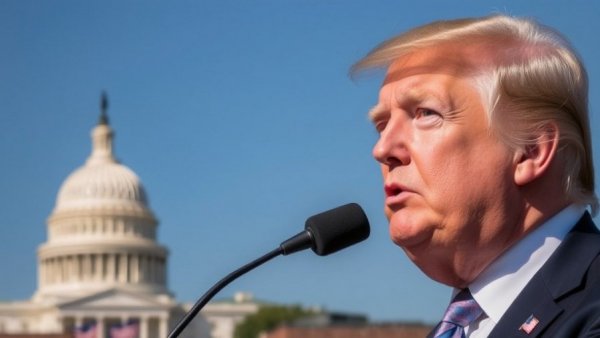
Democrats Face New Challenges in Congress
The recent midterm elections have shifted the political landscape, positioning the Democratic Party in control of both the House and Senate, albeit without veto-proof majorities. This balance of power necessitates strategic decision-making as party leaders grapple with how best to address critical issues while navigating their relationship with President Donald Trump. The pressure is mounting to prioritize the cost of living, a pressing concern for many voters, against the backdrop of ongoing controversies within the presidential administration.
Securing Legislative Wins
Democratic leaders, including House Democratic Leader Hakeem Jeffries and Senate Majority Leader Chuck Schumer, find themselves at a crossroads as they strive to secure legislative victories that directly benefit the American populace. Without the ability to override presidential vetoes, compromise becomes essential. This could mean negotiating with Republicans to pass bipartisan measures or adjusting measures to make them more palatable to both sides. Failure to collaborate effectively could impede necessary bills aimed at improving public welfare, which may invite government shutdowns, adding further instability to an already turbulent political environment.
Balancing Investigations and Legislation
Trump's administration has been marked by controversy, and Democrats are eager to hold him accountable for perceived transgressions, including potential investigations. Schumer emphasized the need to act as a check on Trump’s chaos, insisting that when he disregards the law or the will of the American people, the party will act decisively. However, this raises a critical question of how legislators can pursue investigations while simultaneously fostering bipartisan cooperation on pressing issues like health care and inflation.
A Tricky Dynamic: Cooperation and Confrontation
Despite their determination, Democratic leaders must tread carefully. Trump suggested during a recent press conference that he’s open to maintaining a working relationship with Congressional Democrats, provided they do not act "destructively." He cautioned that aggressive moves, such as a third potential impeachment, could backfire on the Democratic Party itself, potentially galvanizing his base. This sentiment encapsulates the delicate dance that leaders must perform—ensuring accountability without alienating the other side and advocating for urgent reforms that reflect the needs of their constituents.
Immediate Priorities
As new legislative sessions loom, Jeffries has articulated a strong commitment to addressing issues critical to voters, starting with the affordability crisis affecting many Americans. With Medicaid cuts affecting vulnerable populations on the table, House Democrats are poised to reverse harmful changes, appealing to their base while trying to garner Republican support for future initiatives. This strategy is central to their mission to achieve meaningful change that resonates with constituents across Pennsylvania and beyond. Topics such as rising healthcare costs and food insecurity are not just political issues; they directly affect families in towns and cities across the state.
Potential Impacts on Local Residents
For residents of Pennsylvania, the outcomes of these legislative efforts could hold significant implications. As representatives navigate these waters, the local news will play a crucial role in keeping the public informed about any developing stories and legislation that could alter everyday lives. The balance between national politics and local realities underscores the importance of understanding how decisions made at the top affect communities at the grassroots level. For example, legislation aimed at improving public transportation or expanding access to affordable housing could directly address issues faced by many Pennsylvania residents.
Looking Ahead: The Future of Bipartisanship
As discussions unfold, questions remain around the will to nurture bipartisanship in an increasingly polarized environment. With the legislative filibuster potentially acting as a barrier to swift action, both parties must weigh their options carefully. Future strategies will hinge not only on the needs of the voters but also on the willingness of leaders to cooperate across party lines to bring about effective governance. How this will manifest in practical terms remains to be seen, but local communities will be watching closely. Initiatives related to job creation and infrastructure investment are also focal points that could evoke bipartisan support, which is essential to make a tangible impact on voters' lives.
The Role of Voter Engagement
In this complex political climate, the role of voter engagement becomes increasingly significant. As constituents from all walks of life express their needs and concerns, Democratic leaders must demonstrate that their voices are heard. Grassroots movements, town hall meetings, and direct communication with representatives will be critical in shaping the legislative agenda and ensuring that community priorities are addressed. Engagement from the electorate not only empowers citizens but also holds elected officials accountable to their commitments.
Conclusion: A Call for Engagement
As these developments unfold, it becomes paramount for residents of Pennsylvania and across the nation to stay engaged with the political process. The intersection of local needs with national policies will define the immediate future for many. By following the stories that matter most, citizens can hold their representatives accountable and ensure their interests are served in the upcoming legislative sessions. The outcome of this balancing act between investigation and legislation will significantly impact the trajectory of American democracy in the years to come, reminding us all of the power of active citizenship.



Write A Comment