


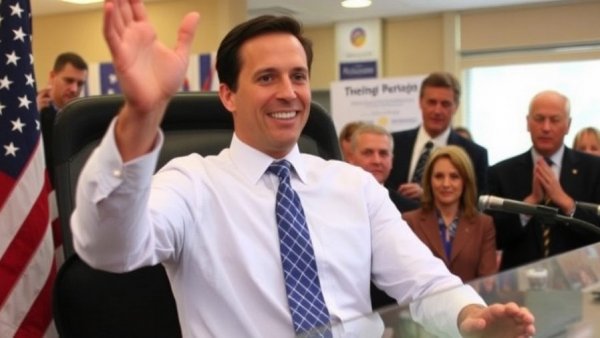
Shapiro's Resounding Victory: A Reflection on Voter Sentiment
In a swift electoral outcome, Governor Josh Shapiro has secured a second term in Pennsylvania, decisively defeating his Republican challenger Diane Garrity with an astonishing 85% of the vote. Just minutes after the polls closed, the Associated Press declared Shapiro the winner, highlighting the widespread support he enjoys among Pennsylvania voters. This victory is not just a personal achievement for Shapiro; it symbolizes the political landscape in Pennsylvania, where Democrats aim to regain full control over the state’s governance.
The Implications of a Democratic Trifecta
Shapiro’s win comes amidst ambitions of achieving a “trifecta” in Harrisburg—gaining control of the governor’s office, the state House, and the Senate. Such a scenario could pave the way for the implementation of long-promised policies, including raising the state’s minimum wage and legalizing recreational cannabis. The stakes are high; Democrats currently hold a slim majority in the House but face challenges in the Senate, where Republicans have maintained control since 1994. A Democratic trifecta could not only expedite the passing of progressive legislation but also reshape the political dynamics in Pennsylvania going forward, potentially affecting local governance and community policies.
Campaign Strategies: The Power of Fundraising and Endorsements
Throughout his campaign, Shapiro capitalized on a substantial fundraising advantage over Garrity, which allowed him to effectively communicate his platform and secure crucial endorsements. His ability to connect with voters and demonstrate a clear vision for Pennsylvania's future resonates, especially as he emphasizes the need to elevate living standards and enforce progressive policies. His adversary's attempts to align with the controversial actions of Donald Trump ultimately failed to create substantive traction against him. Moreover, Shapiro's team engaged in grassroots outreach, harnessing social media effectively to mobilize support, especially among younger voters, an essential demographic in any modern election.
Social Issues at the Forefront of the Debate
Central to Shapiro’s campaign was the emphasis on social issues that matter to Pennsylvanians. Garrity's staunch “pro-life” stance and her past support of Trump were critical points that Shapiro leveraged. His successful campaign narrative not only focused on policy implementation but also underscored his opponent's extremism in handling key social concerns, including women's rights and public health. This strategic framing engaged voters who might have felt unsettled by the conservative undertones of Garrity's platform. Additionally, Shapiro’s careful positioning on social issues, such as his proactive stance on abortion rights and health care access, reinforced his candidacy and spoke to the values of many constituents who prioritize these matters highly.
A Future Vision: What’s Next for Shapiro?
Looking ahead, Governor Shapiro's focus will be on legislative paths that bolster his reform agenda. His plans include advocating for progressive initiatives like paid family leave and enhancing voting rights—a move that would necessitate collaboration across party lines. If Democrats secure the trifecta, Shapiro’s governance is poised for a significant shift in policy execution, especially on issues that have faced Republican-led blockades. For instance, raising the minimum wage to $15 an hour would not only impact low-income families but could also lead to wider economic benefits by increasing consumer spending. Shapiro's past advocacy for legalizing recreational cannabis indicates a desire to tap into new sources of revenue for the state while addressing public health and safety concerns.
The Role of Voter Engagement
Shapiro's victory signals a pivotal moment for political engagement in Pennsylvania. As the state grapples with critical issues, attention to voter turnout and participation remains paramount. Understanding the motivations of voters, particularly younger demographics who showed support for Shapiro, will be vital in shaping future electoral outcomes. His campaign's success reflects a growing thirst for progressive change among Pennsylvania's electorate. The election results indicate that voters are increasingly prioritizing issues such as education funding, climate change, and healthcare, suggesting that these will be central topics for the Shapiro administration.
Local Reactions and Implications
Local communities are already reacting to Shapiro’s victory, pondering what this means for their own local governance and policies. Activists are hopeful that a Democratic trifecta could mean more funding for schools, infrastructure improvements, and health services that address local needs. Local business owners also express what they hope will lead to economic growth, as policies like a higher minimum wage are expected to enable greater expenditures in their shops and services. Shapiro’s administration is poised to increase transparency and accountability, which resonates with constituents eager for change after years of divided leadership.
Conclusion: Join the Conversation
As Pennsylvania moves forward under Shapiro's leadership, the call for civic engagement and dialogue remains strong. Residents are encouraged to stay informed and involved in the legislative processes shaping their communities. The outcomes of the upcoming years hinge not just on elected officials but on an active, aware, and participatory electorate. Consider sharing your thoughts on Shapiro's plans and how they might affect your community. Engaging in conversations about policy priorities can drive home the importance of civic participation, ensuring that every Pennsylvanian’s voice is heard as the state embarks on what could be a transformative period in its governance.



Write A Comment