


Understanding Blood Sugar Regulation
Managing blood sugar levels is crucial for everyone, especially for those living with diabetes or prediabetes. While many foods can influence blood sugar, root vegetables like yams and sweet potatoes are often highlighted in discussions about healthy eating. But what distinguishes these two popular options, and which one is better suited for blood sugar control?
The Nutritional Breakdown
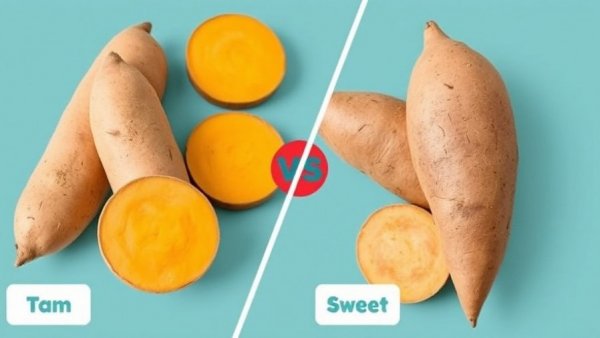
Yams and sweet potatoes may look similar, but they have distinct nutritional profiles. Yams are starchier and often contain more fiber, which can help stabilize blood sugar levels by slowing the absorption of glucose into the bloodstream. In contrast, sweet potatoes are lower in calories and also boast a higher concentration of vitamins, particularly vitamin A and C. These vitamins are essential for maintaining healthy skin and eyes and boosting immune function, making sweet potatoes a great addition to a balanced diet.
When considering portion sizes, it’s important to note that a 1-cup serving of cooked sweet potatoes contains about 180 calories, whereas the same serving of yams can reach upwards of 200 calories. The fiber content is also notable: sweet potatoes contain about 4 grams of fiber, while yams come in closer to 5 grams per serving. This difference in fiber is important, as dietary fiber plays a significant role in digestion and can help keep you feeling full longer, aiding in weight management.
Glycemic Index: A Key Factor
One of the most critical elements to consider when comparing yams and sweet potatoes is their glycemic index (GI). The glycemic index measures how quickly a particular food raises blood sugar levels after consumption. Foods with a high GI can cause rapid spikes in blood sugar, making them less ideal for individuals looking to maintain stable glucose levels. Sweet potatoes typically have a lower GI, meaning they cause a slower increase in blood sugar. This makes sweet potatoes a favorable option for those looking to manage their blood sugar levels effectively.
To put this into perspective, the GI of boiled sweet potatoes generally sits around 44, while yams can range from 54 to 66 depending particularly on how they’re prepared. This GI rating is essential for those who track their carb intake closely, such as people with diabetes, because adopting foods with a lower glycemic response can contribute to better overall health.
Flavor Profiles and Culinary Versatility
Taste and versatility also play significant roles in choosing between yams and sweet potatoes. Sweet potatoes have a naturally sweeter flavor, making them an excellent addition to both savory and sweet dishes. They can be roasted, mashed, or even used in desserts. Recipes featuring sweet potatoes, such as pies and pancakes, have surged in popularity, particularly in autumn when flavors like cinnamon and maple are prevalent.
Yams, on the other hand, have a more earthy flavor and are commonly used in savory dishes, often paired with spices or as a base for stews. Their starchy texture allows them to absorb flavors well, making them a favorite in hearty meals. If you enjoy experimenting in the kitchen, consider trying both: mash them, bake them, or use them in casseroles. The combination can offer different flavors and textures, elevating everyday meals.
Impact on Health and Well-being
Both yams and sweet potatoes offer various health benefits beyond blood sugar management. Rich in antioxidants, they may help reduce inflammation and improve overall well-being. Sweet potatoes are also linked to improved vision and immune function due to their high beta-carotene content. By including both in your diet, you can diversify your intake of vitamins and minerals, supporting your health from multiple angles.
Additionally, the potassium content in both vegetables can support heart health by helping to regulate blood pressure levels. It is particularly important for individuals aiming to maintain cardiovascular health while managing diabetes or prediabetes. A diet rich in potassium can mitigate the adverse effects of sodium and contributing to better overall heart and metabolic health.
Real-Life Experiences: Voices from the Community
Many individuals find the choice between yams and sweet potatoes largely comes down to personal preference and specific dietary needs. For example, Sarah, a mother of two living with type 2 diabetes, swears by adding roasted sweet potatoes to her family’s meals, claiming they help maintain her children’s energy levels while keeping her blood sugar stable. She notes that by baking them with a sprinkle of cinnamon, she can create a tasty side dish that even her picky eaters enjoy.
Conversely, Mark, a fitness enthusiast, prefers yams for their higher starch content, helping fuel his workouts while allowing him to indulge in heartier meals. He often combines them with grilled chicken and vegetables for a balanced dinner that supports his active lifestyle. For Mark, yams are not only nutritious, but they also provide the energy he needs for his training sessions, particularly as he prepares for endurance events.
Incorporating Yams and Sweet Potatoes into Your Diet
Both yams and sweet potatoes can be excellent allies in your dietary journey. If you’re looking for ways to incorporate them into your meals, consider making an oven-roasted vegetable medley, or add them to salads for a hearty twist. For breakfast, sweet potato hash can replace your usual potato, giving you a nutritious start to your day. On the flip side, yams can be mashed and used as a side dish, topped with a little bit of butter and herbs for extra flavor.
Experimenting with different cooking methods, such as air-frying or grilling, can also enhance the flavors of these versatile root vegetables. By exploring a variety of recipes, you not only keep your meals interesting but also maximize the health benefits associated with both options.





Write A Comment