


Pennsylvania Daily LIfe
update
Mike Sweeney
update
  • Home
  • Categories
    • Wellness
    • Travel
    • Lifestyle
    • News
    • Health
    • Pennsylvania News
    • Financial
    • Home Living
    • Featured
November 18.2026
4 Minutes Read

Federal Funding Cuts Challenge Lifesaving Drug Testing Initiatives: What You Can Do

‘A Hard Time’ as Federal Cuts Hobble Efforts To Stop Overdoses From Tainted Drugs

Understanding the Federal Cuts and Its Impact on Harm Reduction

Across the United States, initiatives aimed at curbing overdose deaths, especially from tainted drugs, are facing significant challenges due to federal funding cuts. The case of Diannee Carden Glenn, the director of ekiM for Change, serves as a compelling example. Her organization, which has been instrumental in providing drug testing supplies in Eastern North Carolina, has been left scrambling for resources since the Substance Abuse and Mental Health Services Administration (SAMHSA) ceased federal support for critical harm reduction assets like fentanyl test strips.

The Value of Harm Reduction in Preventing Overdoses

Harm reduction strategies focus on minimizing the negative consequences associated with drug use rather than solely promoting abstinence. Studies show that programs aimed at providing drug testing supplies like fentanyl strips lead to safer behaviors among users. For instance, individuals equipped with these testing supplies are more likely to access additional harm reduction services, such as naloxone distribution, which can reverse overdoses, and education related to safer consumption practices.

Funding Constraints and the Compounding Crisis

The recent cuts, amounting to over $300 million in federal funding for overdose prevention and treatment, hit organizations like Glenn's the hardest. Previously funded programs saw a sudden halt to their operations, leaving many to rely on personal resources to fill the gap. Glenn’s story is compelling; at 81, she draws on her Social Security and the financial support of her husband to continue her vital work. However, this situation highlights a troubling trend where passionate advocates are left to bear the financial burden of crucial public health efforts. It raises the question: how sustainable is this model in the long run?

Local Communities Taking Action

Despite the loss of federal funding, local organizations are innovatively overcoming these challenges. For example, in Durham, North Carolina, the staff at the North Carolina Harm Reduction Coalition employs a Fourier transform infrared spectroscopy machine to analyze the precise contents of street drugs. This advanced technology not only helps in detecting dangerous substances but also provides users with critical information to make informed choices, thereby saving lives. These grassroots initiatives demonstrate how local engagement can fill gaps left by federal cuts, but they require ongoing community support and awareness.

Challenging the Myths Surrounding Harm Reduction

Opponents of harm reduction often argue that providing drug testing tools encourages usage rather than deterring it. However, research consistently indicates the opposite. By creating environments where users can feel safe to test their drugs, comprehensive education can flourish, ultimately fostering healthier behaviors. Furthermore, this approach emphasizes treating addiction as a public health issue rather than a moral failing. By giving individuals the tools to stay safe, we encourage a proactive approach that can reduce stigma and promote recovery. Engaging with communities to dispel these misconceptions is crucial, especially among those who have been personally affected by addiction.

The Realities of Drug Use in America

The increasing prevalence of potent synthetic drugs on the streets presents an urgent challenge that cannot be overlooked. Fentanyl, which is often mixed with other drugs unknowingly by users, is just one example of this disturbing trend. Early education and access to testing tools can significantly reduce the number of accidental overdoses. As more stories emerge from communities across the country, including heartbreaking accounts from families who have lost loved ones, it becomes abundantly clear that harm reduction strategies are not just beneficial—they are necessary.

How Families Can Get Involved

This crisis is not isolated; it extends impacting families and communities nationwide. Parents, business owners, and seniors can play a role by advocating for local harm reduction strategies, supporting organizations like ekiM for Change, or even funding local initiatives. Staying informed is crucial; community newsletters and local health departments can provide additional education and engagement opportunities that can empower families to contribute actively. Working together to foster a supportive environment can serve as a foundation for local recovery programs and ultimately save lives.

Looking Ahead: A Call for Comprehensive Support

The conversation surrounding drug use, harm reduction, and community health needs to evolve—both in perspective and financial support. As we examine the reductions in federal funding, it becomes clear that supporting local organizations and grassroots efforts is paramount. Investing in harm reduction isn't merely a health initiative; it’s a commitment to preserving lives in our communities. Policymakers, stakeholders, and community members alike must come together to advocate for sustainable funding that supports these vital programs.

Conclusion: The Urgent Need for Community Collaboration

As funding continues to dwindle and the crisis deepens, it is essential for individuals and communities to rally around harm reduction efforts. By advocating for necessary resources, supporting organizations that work on the frontline, and engaging in open conversations, we can make impactful changes that not only address immediate needs but also pave the way for better health outcomes for families and communities alike. Without collaborative efforts rooted in empathy and understanding, the battle against overdoses and substance misuse will only become more daunting. Together, we can drive change and support life-saving initiatives that nurture the health of our communities.

Health

0 Views

0 Comments

Write A Comment

*
*
Please complete the captcha to submit your comment.
Related Posts All Posts
11.18.2026

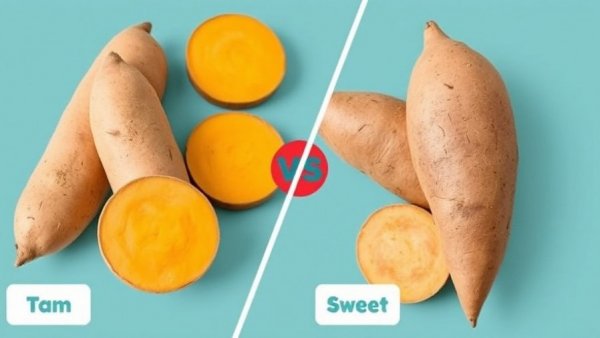
Yam vs. Sweet Potato: Which Is Better for Your Blood Sugar Levels?

Update Understanding Blood Sugar Regulation Managing blood sugar levels is crucial for everyone, especially for those living with diabetes or prediabetes. While many foods can influence blood sugar, root vegetables like yams and sweet potatoes are often highlighted in discussions about healthy eating. But what distinguishes these two popular options, and which one is better suited for blood sugar control? The Nutritional Breakdown Yams and sweet potatoes may look similar, but they have distinct nutritional profiles. Yams are starchier and often contain more fiber, which can help stabilize blood sugar levels by slowing the absorption of glucose into the bloodstream. In contrast, sweet potatoes are lower in calories and also boast a higher concentration of vitamins, particularly vitamin A and C. These vitamins are essential for maintaining healthy skin and eyes and boosting immune function, making sweet potatoes a great addition to a balanced diet. When considering portion sizes, it’s important to note that a 1-cup serving of cooked sweet potatoes contains about 180 calories, whereas the same serving of yams can reach upwards of 200 calories. The fiber content is also notable: sweet potatoes contain about 4 grams of fiber, while yams come in closer to 5 grams per serving. This difference in fiber is important, as dietary fiber plays a significant role in digestion and can help keep you feeling full longer, aiding in weight management. Glycemic Index: A Key Factor One of the most critical elements to consider when comparing yams and sweet potatoes is their glycemic index (GI). The glycemic index measures how quickly a particular food raises blood sugar levels after consumption. Foods with a high GI can cause rapid spikes in blood sugar, making them less ideal for individuals looking to maintain stable glucose levels. Sweet potatoes typically have a lower GI, meaning they cause a slower increase in blood sugar. This makes sweet potatoes a favorable option for those looking to manage their blood sugar levels effectively. To put this into perspective, the GI of boiled sweet potatoes generally sits around 44, while yams can range from 54 to 66 depending particularly on how they’re prepared. This GI rating is essential for those who track their carb intake closely, such as people with diabetes, because adopting foods with a lower glycemic response can contribute to better overall health. Flavor Profiles and Culinary Versatility Taste and versatility also play significant roles in choosing between yams and sweet potatoes. Sweet potatoes have a naturally sweeter flavor, making them an excellent addition to both savory and sweet dishes. They can be roasted, mashed, or even used in desserts. Recipes featuring sweet potatoes, such as pies and pancakes, have surged in popularity, particularly in autumn when flavors like cinnamon and maple are prevalent. Yams, on the other hand, have a more earthy flavor and are commonly used in savory dishes, often paired with spices or as a base for stews. Their starchy texture allows them to absorb flavors well, making them a favorite in hearty meals. If you enjoy experimenting in the kitchen, consider trying both: mash them, bake them, or use them in casseroles. The combination can offer different flavors and textures, elevating everyday meals. Impact on Health and Well-being Both yams and sweet potatoes offer various health benefits beyond blood sugar management. Rich in antioxidants, they may help reduce inflammation and improve overall well-being. Sweet potatoes are also linked to improved vision and immune function due to their high beta-carotene content. By including both in your diet, you can diversify your intake of vitamins and minerals, supporting your health from multiple angles. Additionally, the potassium content in both vegetables can support heart health by helping to regulate blood pressure levels. It is particularly important for individuals aiming to maintain cardiovascular health while managing diabetes or prediabetes. A diet rich in potassium can mitigate the adverse effects of sodium and contributing to better overall heart and metabolic health. Real-Life Experiences: Voices from the Community Many individuals find the choice between yams and sweet potatoes largely comes down to personal preference and specific dietary needs. For example, Sarah, a mother of two living with type 2 diabetes, swears by adding roasted sweet potatoes to her family’s meals, claiming they help maintain her children’s energy levels while keeping her blood sugar stable. She notes that by baking them with a sprinkle of cinnamon, she can create a tasty side dish that even her picky eaters enjoy. Conversely, Mark, a fitness enthusiast, prefers yams for their higher starch content, helping fuel his workouts while allowing him to indulge in heartier meals. He often combines them with grilled chicken and vegetables for a balanced dinner that supports his active lifestyle. For Mark, yams are not only nutritious, but they also provide the energy he needs for his training sessions, particularly as he prepares for endurance events. Incorporating Yams and Sweet Potatoes into Your Diet Both yams and sweet potatoes can be excellent allies in your dietary journey. If you’re looking for ways to incorporate them into your meals, consider making an oven-roasted vegetable medley, or add them to salads for a hearty twist. For breakfast, sweet potato hash can replace your usual potato, giving you a nutritious start to your day. On the flip side, yams can be mashed and used as a side dish, topped with a little bit of butter and herbs for extra flavor. Experimenting with different cooking methods, such as air-frying or grilling, can also enhance the flavors of these versatile root vegetables. By exploring a variety of recipes, you not only keep your meals interesting but also maximize the health benefits associated with both options.

11.18.2026

Moving to a New State? Health Insurance Access is Crucial

Update The Challenges of Relocating: Navigating Healthcare Across State Lines Moving to a new state can be both exciting and intimidating. For many young adults, like Jael Samano, the thrill of a fresh start comes with unexpected challenges, particularly in terms of healthcare access. After relocating from Illinois to Wisconsin, Jael faced the daunting task of finding new healthcare providers and understanding a complex health insurance system. The reality is that healthcare varies significantly across state lines, and moving can trigger a significant shift in health insurance availability and quality of care. For younger generations, especially those under 30, it’s imperative to delve into what healthcare options exist in the new location. This article will break down key considerations to keep in mind during such transitions. Understanding Insurance Options and Medicaid For individuals moving to another state, one crucial factor to consider is their insurance options. The Affordable Care Act allows individuals to apply for plans outside of open enrollment if moving is classified as a “qualifying life event.” This includes individuals who may find themselves without employer-sponsored insurance. However, different states have varying Medicaid laws. For example, in states that have not adopted Medicaid expansion under Obamacare, such as Texas and Florida, qualifying for Medicaid can be quite challenging. It's vital to check with healthcare.gov and understand the specific qualifications for Medicaid in the new state. As Jennifer Tolbert from KFF points out, “If you need Medicaid as a source of coverage, you should not move to states that have not adopted the Affordable Care Act’s Medicaid expansion.” Staying Insured Under Family Plans: Options for Young Adults For those under 26, remaining on a parent’s health plan is an option that can alleviate some pressures of finding new insurance. Many young adults are unaware that they can retain this coverage until the end of the year they turn 26, regardless of their move. However, it’s crucial for individuals to understand that this may limit their network of providers, and in some states, the eligibility can extend to age 30 under specific criteria. Moreover, states like Florida have alternatives for those with disabilities, which can provide extended coverage under a parent’s plan. This link to a family plan offers a safety net, but it’s essential to assess the health services available under these policies in the new location. Healthcare Access: A State-by-State Perspective Healthcare access goes beyond insurance; it encompasses the services' availability and legality as well. Consider, for example, the differing laws concerning marijuana use: while 40 states allow medicinal purchase, states like Idaho and Kansas have widespread bans. Similarly, abortion rights dramatically fluctuate across state lines, with over a dozen states imposing comprehensive bans. To preemptively address these issues, individuals should do thorough research on healthcare services—using local health department resources or state-specific health agencies to gain insight into what is permissible. Awareness of the legal landscape surrounding healthcare can help mitigate nasty surprises after moving. Practical Steps for a Smooth Transition Making a major move involves more than just packing boxes and finding a new home; proactive planning is essential in ensuring continuity of care and coverage. Here are a few practical steps: Research Local Providers: Before making the leap, utilize online resources to find local health providers and check their network participation with your current or prospective insurance plans. Secure Prescriptions: If you have ongoing medications, ensure you have sufficient refills during your transition and seek new local pharmacies as soon as you arrive. Keep Documentation Handy: Collect and organize your medical records, insurance cards, and any other healthcare-related documents to facilitate smoother interactions with new providers. Utilize Technology: Consider telehealth options, which have become increasingly popular. They can be a bridge in finding appropriate healthcare before establishing local connections. Embracing Change: The Broader Impact of Relocation on Health Relocating can be an emotional rollercoaster, and it invariably affects overall well-being. The stresses associated with moving can contribute to significant fluctuations in mental and physical health. As individuals adapt to new environments, the importance of maintaining access to quality healthcare cannot be overstated. Engaging in community health resources or support groups can also play a transformative role in ensuring emotional stability during such transitional periods. Final Thoughts: Taking Charge of Your Health Post-Move Moving to a new state brings countless opportunities, but it requires caution, particularly regarding healthcare access. By preparing ahead and knowing your options, you can navigate this crucial aspect of relocation successfully. Investing time in understanding health insurance and local providers will ultimately benefit your physical and emotional well-being. Don’t leave it to chance; your health is worth the effort. Participate actively in your healthcare journey and be proactive every step of the way!

11.17.2026

Discover the Healthiest Types of Coffee for a Healthier Lifestyle

Update Caffeinated Choices: An Insight into Healthier Coffee Types Coffee is more than just a morning ritual; it serves as a daily energizer and a social connector. For many, the first sip brings comfort and warmth. But did you know that not all coffee is created equally when it comes to health benefits? Let's dive into the health aspects of different coffee types, supported by research and dietitian insights. The Benefits of Black Coffee Starting with the simplest and healthiest option, black coffee is often hailed as a superhero beverage. It is low in calories and packed with antioxidants which can aid in combating inflammation and reducing the risk of certain diseases. According to the Health Article, drinking black coffee may also improve mental clarity and concentration, making it an excellent choice for busy schedules. Additionally, black coffee can help elevate mood and improve physical performance, which is a bonus for those who enjoy an active lifestyle. Cold Brew: Smooth and Refreshing Cold brew coffee has gained popularity not just for its refreshing taste but also for its lower acidity compared to traditional hot brewed coffee. This makes it gentler on the stomach and easier to digest. Some studies suggest that cold brew may even provide higher levels of certain antioxidants, enhancing its health benefits. This could be particularly appealing for those who are conscious of their digestive health. Cold brew is also a great way to hydrate during warmer months—enjoying a chilled cup rather than traditional hot coffee can elevate your hydration game. Espresso: A Small Shot with Big Benefits Don’t underestimate the power of a small cup. Espresso, often served in small shots, is remarkably concentrated yet rich in antioxidants and essential nutrients. It's also associated with improved metabolic rates, making it a smart choice for fitness enthusiasts. Plus, its quick serving time means you can enjoy the boost even on a busy day. Additionally, espresso can be a fantastic base for various coffee drinks, offering versatility while maintaining a robust flavor and health benefits. Healthier Alternatives: Adding Goodness to Your Brew For those not keen on pure coffee, options like bulletproof coffee—a mix of coffee, butter, and oil—have become popular. Although high in calories, it is thought to sustain energy levels by providing healthy fats that release slowly into the bloodstream. On the other hand, adding spices like cinnamon can enhance flavor without adding calories or sugar, while also providing health benefits like lowering blood sugar levels. Furthermore, experimenting with natural sweeteners such as stevia or monk fruit can help maintain sweetness without the drawbacks of refined sugars. The Dangers of Sweetened Beverages While modern cafes offer a smorgasbord of sweetened coffee beverages, it’s crucial to understand the health implications. Many of these drinks come laden with sugars and empty calories. Regular consumption of sugary coffee drinks has been linked to increased risks of obesity and chronic diseases. Limiting added sugars can not only help maintain a healthy weight but also support overall wellness. Moderation is key! Opting for smaller sizes and choosing simpler preparations can also help mitigate the sweetness while still allowing you to enjoy your favorite flavors. Personalizing Your Coffee Experience for Health Each individual's coffee preference can also be tailored for health benefits. Consider incorporating plant-based milk or experimenting with nut milks, which can add a creamy texture without the saturated fats found in traditional creamers. Some non-dairy options provide additional nutrients, enhancing the overall health profile of your cup. Getting creative with your coffee can also mean trying out flavored coffee grounds infused with natural extracts like vanilla or hazelnut—these can add depth of flavor without the additives. So, don’t hesitate to get creative! Mindfulness in Your Coffee Routine Coffee drinking can transform into a mindful practice. Taking the time to savor each sip and truly enjoy the flavors can reduce stress, enhance your mood, and elevate your experience. Creating a routine around coffee breaks—whether at work or at home—can provide crucial moments of pause in our busy lives. Whether it's enjoying a peaceful solo morning or a social coffee catch-up with a friend, foster that connection and joy. Engaging fully in the moment of making and drinking coffee can have uplifting effects on your mental well-being. The Environmental Impact of Coffee Choices As you explore which types of coffee might be healthiest for you, consider the environmental impact as well. Opting for sustainably sourced coffee not only supports better farming practices but also can ensure that the coffee you enjoy is free of harmful chemicals and additives. Many local farms offer organic options that support your health while being kind to the planet. Seek out brands that prioritize fair trade practices to align your coffee habits with ethical considerations. Final Thoughts: A Healthier Coffee Tomorrow Ultimately, coffee can be a source of joy and health, but understanding your choices is critical. From black coffee to cold brews, and from espresso to mindful sipping, the potential for health enhancement is limitless. Making informed decisions about your coffee can lead to more beneficial habits, paving the way for a healthier lifestyle overall. Remember, your coffee journey is personal—what works for you might be different from someone else's preferences. Take a moment to explore what types of coffee you enjoy most. With information at hand, there’s no reason why you can’t make choices that serve both your taste buds and your health! Whether you enjoy steaming lattes, refreshing cold brews, or simply plain black coffee, embracing your preference while prioritizing health can create a satisfying balance in your daily routine.

cropper
update
Pennsylvania Daily Life
cropper
update

Discover the essence of Pennsylvania living through our carefully reporter written stories, local guides, and community updates. Pennsylvania Daily Life celebrates our state's unique culture, connecting readers with the people, places, and experiences that make PA extraordinary.

  • update
  • update
  • update
  • update
  • update
  • update
  • update

COMPANY

  • Privacy Policy
  • Terms of Use
  • Advertise
  • Contact Us
  • Menu 5
  • Menu 6

724-698-2464

AVAILABLE FROM 8AM - 5PM

Manor, PA

61 Main Street Manor, PA

ABOUT US

Pennsylvania Daily Life is your trusted source for local stories, community news, and everyday happenings across the Keystone State. We celebrate the diverse culture, rich traditions, and vibrant communities that make Pennsylvania special, bringing you the stories that matter most to our fellow Pennsylvanians.

© 2026 CompanyName All Rights Reserved. Address . Contact Us . Terms of Service . Privacy Policy

Terms of Service

Privacy Policy

Core Modal Title

Sorry, no results found

You Might Find These Articles Interesting

T
Please Check Your Email
We Will Be Following Up Shortly
*
*
*