


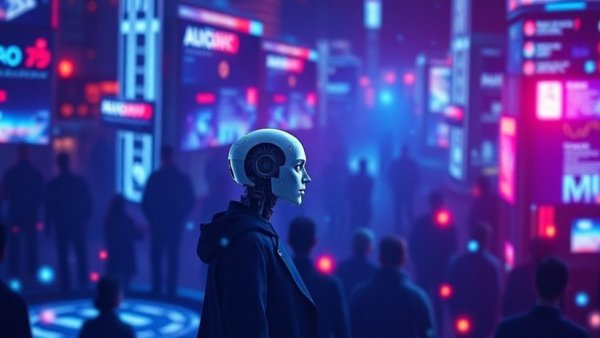
Understanding the Relationship Between AI and Human Productivity
In a world where everyone has access to AI tools, the key to business success shifts from simply using AI to enhancing human productivity. Leaders must recognize the distinct roles that AI and their human teams play. AI can automate numerous tasks, but it cannot replicate the creativity, empathy, and nuanced thinking that humans offer. Therefore, the focus should be on pairing AI's capabilities with human insight, ensuring teams are not only productive but also engaged and effective.
AI vs. Human Capabilities: Differentiating Factors
AI is often considered a magic bullet in business operations, but it's crucial to understand its limitations. While AI provides significant efficiency and data processing power, it does not address the human elements crucial for collaboration and deep thought. This is where physical workspaces come into play. Research indicates that factors like air quality, lighting, and spatial design can significantly impact worker performance and cognitive function. As the Harvard School of Public Health points out, simple changes in workplace environment can boost focus, clarity, and overall productivity.
The Importance of Workplace Environment
Creating a conducive workplace environment should be a top priority for leaders. Gone are the days when investing in a fancy office layout was enough. Today, organizations must consider essential investments like air purifiers, appropriate lighting, and comfortable spaces as tools to enhance human performance. For example, installing air purifiers doesn’t just improve health—it serves as a strategic investment that fosters better thinking and increased productivity. The integration of natural light, which has been linked to improved mood and energy levels, can be as crucial as the latest software tools businesses are adopting.
Transforming the Narrative Around Workplace Design
To truly leverage the combination of AI and human capabilities, businesses must reframe their approach to workplace design. This is not just about aesthetics; it’s about creating spaces that support the mental and physical well-being of employees. By investing in features such as noise-canceling solutions and ergonomic furniture, organizations can foster environments that support focused work and effective collaboration. A well-designed workspace can lead to lower turnover rates, increased employee satisfaction, and a more attractive workplace for prospective hires. Companies like Google and Facebook have set a benchmark with their innovative work environments, demonstrating that thoughtful design can lead to happier, more productive employees.
Developing a Competitive Edge through Human-Centric Approaches
As more companies integrate AI into their workflows, the competitive edge lies in those organizations that prioritize their human workforce. While everyone is scrambling to adopt AI solutions, having a well-thought-out physical workspace sets leading businesses apart. By focusing on employee well-being through thoughtful workplace design, leaders can create a synergistic relationship between their human and machine resources. This unique combination will lead to greater focus, stronger collaboration, and a more positive company culture. Studies show that companies investing in employee-centric designs see not only productivity improvements but also a heightened sense of loyalty among staff—an important factor in today’s job market where top talent is highly sought after.
Practical Takeaways for Leaders
Leaders looking to enhance their organization’s competitiveness need practical strategies to improve workplace environments. Begin by assessing your existing setup: Are the lighting conditions optimal for focused work? Are there areas for collaboration that encourage team members to brainstorm and communicate effectively? Simple adjustments can lead to remarkable changes. For example, creating quiet zones can minimize distractions, while collaborative spaces with whiteboards can stimulate creativity. Elements like greenery, which can create a more inviting atmosphere, also contribute to a sense of well-being.
It’s also important to solicit feedback from employees about their work environment. Engaging your workforce in conversations about what they feel is missing or what improvements they’d like can uncover overlooked issues. This inclusivity not only boosts morale but encourages a sense of ownership among staff, making them feel valued within the organization.
The Path Forward: Aligning Human and Machine Efforts
In conclusion, as the landscape of business continues to evolve, leaders must recognize the shifting competitive advantages stemming from AI adoption and workplace design. It's no longer enough to simply boast about using AI effectively. The future belongs to those who create environments that allow humans to flourish alongside AI technology. By aligning these two powerful forces, businesses will not only enhance productivity but also foster a creative and engaged workforce prepared to face tomorrow's challenges.
Taking the time to invest in the overlooked aspects of workplace design will greatly improve your business's overall performance. Consider how your current workspace can evolve to support not just technology, but the human potential that will ultimately drive your success. Embracing this dual focus on AI and human-centered design will empower your organization to excel in the competitive landscape ahead.





Write A Comment