Pennsylvania Daily LIfe
update
Mike Sweeney
update
  • Home
  • Categories
    • Wellness
    • Travel
    • Lifestyle
    • News
    • Health
    • Pennsylvania News
    • Financial
    • Home Living
    • Featured
November 05.2026
4 Minutes Read

Maximize Your Savings: Explore the 2027 Tax Brackets Today!

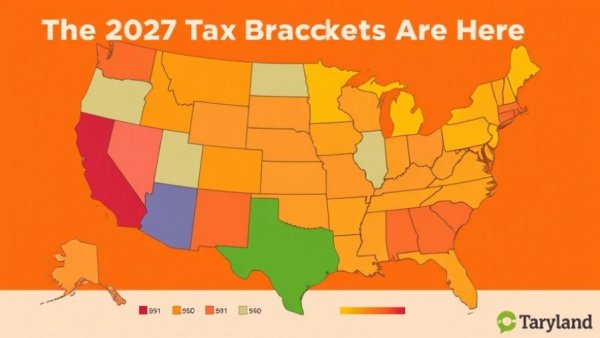
The 2027 Tax Brackets Are Here. See Where You Land.

Understanding the New 2027 Tax Brackets

The introduction of the 2027 tax brackets represents an important development for taxpayers across the nation. As inflation alters the economic landscape, tax adjustments aim to provide some relief, especially as many individuals and families navigate the rising cost of living. These adjustments by the IRS are meant to help you retain more of your hard-earned money. If you're planning for retirement or looking to invest wisely, understanding these changes can have significant implications for your financial future, paving the way for smarter investment choices during these economically challenging times.

Adjustments in the Standard Deduction

With the tax brackets for 2027 now available, the standard deduction is also seeing an increase. Taxpayers will notice a boost in the standard deduction amounts, enabling them to reduce their taxable income. This increase in the deduction allows you to deduct a larger portion of your income before tax is calculated, leading to tax savings. For many, this means a lower tax bill, which can free up additional funds for savings or investments.

This adjustment plays a critical role in financial planning, especially for those gearing up for retirement. It helps ensure that retirees can maintain a comfortable lifestyle without the burden of excessive taxation. For example, if the standard deduction rises, many taxpayers may find themselves in a lower tax bracket, enhancing their ability to allocate more money toward retirement accounts or personal savings. Knowing what these figures are can help set future financial goals more effectively.

Child Tax Credit Comes Into Play

The 2027 tax reforms also bring adjustments to the child tax credit. This increase provides relief specifically for families with children, recognizing the challenges of raising a family amidst economic pressures. If you have children, taking advantage of the updated credits could provide more disposable income, further alleviating financial stress and allowing for greater investments in your child's future. This increase can be a game-changer for many households, providing extra funds that can be used for education, healthcare, or general expenses.

Moreover, these credits underscore the government's acknowledgment of the financial strain that many families experience. If you're planning for your children's college education, for instance, understanding how these credits can benefit you can lead to more savings and an easier path. Ensuring you’re aware of all available credits will better position you financially.

Future Implications and Financial Planning

The newly adjusted tax brackets call for a reassessment of individual financial plans. As we venture further into the 2020s, strategic planning is essential. Whether you are an individual or a business owner, understanding how the new brackets affect you can help you make informed decisions about investments. Notably, adjusting your financial strategy in light of tax shifts can lead to fruitful outcomes, particularly as we aim for growth during retirement.
Tax planning should become an integral component of your overall strategy, allowing you to adapt to annual adjustments effectively. This foresight can result in decreased taxable income, ultimately benefiting your nest egg.

Connecting Financial Decisions to Everyday Life

It’s easy to feel overwhelmed by tax changes, but it’s important to remember that these adjustments directly affect your day-to-day life. Lower tax bills mean more money in your pocket for essential expenses and savings. This change isn't just about numbers; it’s about empowering you to take charge of your financial health. For instance, with the added savings, individuals might consider funding an emergency fund or making early contributions to retirement plans—decisions that can significantly impact long-term financial security.

Common Misconceptions Surrounding Tax Brackets

Many people assume that tax brackets apply only to high-income earners. However, the changes in brackets affect everyone, regardless of income level. Understanding where you fit within these brackets is vital, as it can guide your budget and long-term financial strategy. This misconception can lead to missed opportunities for lower-income families who might benefit from these adjustments in tax regulations.
Every taxpayer, from young professionals to retirees, should monitor how these brackets impact their financial landscape.

Practical Tips for Adjusting to New Tax Rules

To make the most of the new tax landscape, stay informed about potential changes and how they can impact your finances. Watch for any additional resources from the IRS or financial advisors that might help elucidate these adjustments. Furthermore, consider consulting a financial planner who can provide tailored advice based on your unique circumstances, ensuring that you maximize your tax benefits. Having a professional on your side could mean the difference between making informed decisions or missing out on pivotal savings.

Your Financial Journey: Taking Action

As you analyze your financial situation in light of the new tax brackets, consider taking proactive steps. Not only is it prudent to reassess your income and expenditures, but you should also evaluate your investments to ensure they align with your overarching financial goals. As tax laws continue to evolve, monitoring and adjusting your financial plan becomes critically important.
This holistic view of your finances addresses both current and future needs, ultimately preparing you for a secure retirement. By embracing these changes, you position yourself to better manage your money and make informed decisions that align with your lifestyle and financial aspirations. Remember, these adjustments in tax laws can provide new avenues for savings and growth, so stay engaged with your financial journey.


Financial

0 Views

0 Comments

Write A Comment

*
*
Please complete the captcha to submit your comment.
Related Posts All Posts
11.06.2026

Discovering Your True Purpose Beyond Your Career: Lessons from a Life-Altering Illness

Update Understanding the Relationship Between Career and IdentityMany of us tie our self-worth to our jobs. For some, it's not just about the paycheck but about the identity we craft within our careers. This story serves as a poignant reminder that our occupations can define us in ways we might not realize until we're faced with change. When illness forced one occupational therapist to retire, they had to confront this uncomfortable truth: who am I without my job?Building our identities around careers can provide external validation in the form of job titles and financial security. However, it often leads us to equate our self-worth with our profession. This occupational therapist found that when they could no longer work, they felt both loss and unexpected relief. This contradiction between grief and liberation highlights a significant lesson: our purpose can run deeper than the roles we play in our professional lives. The experience brought it home that while our careers can be an essential part of who we are, they do not wholly define our identities.Finding Core Values Beyond Job TitlesDetermining the core aspects of your identity is essential when dealing with career disruption. The occupational therapist discussed how they identified elements that remained constant throughout all their positions. They could explain complex ideas simply, and they thrived on building connections with others. These attributes transcended their title and remain relevant no matter where they found themselves working.Engaging in reflective practices, such as journaling or conversations with others, can unveil these constants. Don't be afraid to explore what fuels you. It may be challenging to separate what you've borrowed from your job identity, but doing so is critical to rediscovering and redefining your purpose. What skills or values have persisted through your career changes? Taking this time for introspection lays a strong foundation for future successes. Consider also seeking feedback from trusted friends and mentors, as they may provide valuable insights into your strengths and talents that you might overlook.Embracing Uncertainty as a Path to GrowthRebuilding our careers after a setback necessitates a willingness to sit with uncertainty. The urge to find something stable might propel you into a new role before evaluating your true desires and strengths. However, engaging in “low-stakes experiments” and small projects can provide valuable insights without the pressure to immediately find a replacement for your former identity.Whether it's a side hustle, volunteering, or taking a class, trying out new endeavors allows for exploration without expectation. This proactive approach fosters growth and helps clarify what will bring you fulfillment. As an individual who thrives on connections, perhaps leading workshops, coaching, or consulting can mesh with the skills you already possess while allowing for personal growth.Another way to explore your interests is by forming or joining peer support groups that focus on career transitions. Sharing experiences and strategies can not only motivate you but also expose you to opportunities or paths you hadn't previously considered. Remember, a journey of self-discovery is sometimes more enlightening when shared with others who can relate to your challenges and triumphs.Redefining Success Beyond Financial MetricsSociety often teaches us to measure success through financial achievements or fancy job titles. However, as our occupational therapist discovered, success can also encompass emotional resilience, personal happiness, and the impact we make on others. Redefining success becomes essential, challenging the conventional norms that equate worth with income.Perhaps success looks like striking a balance between home finances and personal fulfillment. In your pursuit of career changes or building a business, consider how you can align your financial objectives with your core values. This way, you can foster a sense of security while also nurturing your passion and purpose. Taking small, actionable steps allows both success and growth to evolve together. Set goals that inspire you, whether it’s learning a new skill, enhancing existing ones, or creating something that fulfills your creative side.Moreover, it’s crucial to acknowledge that everyone’s journey is unique. What may resonate as success for you may look different for someone else. Embracing this individuality can ease the pressure to conform to societal expectations of achievement, allowing you to forge your path based on what brings you joy.Conclusion: Taking Action in UncertaintyIt's evident that career disruptions can instigate deep introspection about identity and purpose. As we navigate through these uncertain times, remember to identify your core values, embrace uncertainty, and redefine success beyond your work title. The journey might be uncomfortable, but it can lead to genuine growth and fulfillment.Your purpose matters. Equip yourself with knowledge to make informed decisions about your career. For practical insights into home finances, consider exploring how to balance your financial growth with personal pursuits or even how to start a business that reflects your true self. Taking these steps can pave the way for a more meaningful career journey.Ultimately, it's about becoming more resilient and adaptable. Life will have its challenges, job markets will fluctuate, and personal circumstances will change, but by understanding that your identity is more than a title, you're better prepared to navigate the ups and downs of life, focusing on what truly matters to you.

11.06.2026

Unlocking Success: Why Workplace Design Matters More Than AI

Update Understanding the Relationship Between AI and Human Productivity In a world where everyone has access to AI tools, the key to business success shifts from simply using AI to enhancing human productivity. Leaders must recognize the distinct roles that AI and their human teams play. AI can automate numerous tasks, but it cannot replicate the creativity, empathy, and nuanced thinking that humans offer. Therefore, the focus should be on pairing AI's capabilities with human insight, ensuring teams are not only productive but also engaged and effective. AI vs. Human Capabilities: Differentiating Factors AI is often considered a magic bullet in business operations, but it's crucial to understand its limitations. While AI provides significant efficiency and data processing power, it does not address the human elements crucial for collaboration and deep thought. This is where physical workspaces come into play. Research indicates that factors like air quality, lighting, and spatial design can significantly impact worker performance and cognitive function. As the Harvard School of Public Health points out, simple changes in workplace environment can boost focus, clarity, and overall productivity. The Importance of Workplace Environment Creating a conducive workplace environment should be a top priority for leaders. Gone are the days when investing in a fancy office layout was enough. Today, organizations must consider essential investments like air purifiers, appropriate lighting, and comfortable spaces as tools to enhance human performance. For example, installing air purifiers doesn’t just improve health—it serves as a strategic investment that fosters better thinking and increased productivity. The integration of natural light, which has been linked to improved mood and energy levels, can be as crucial as the latest software tools businesses are adopting. Transforming the Narrative Around Workplace Design To truly leverage the combination of AI and human capabilities, businesses must reframe their approach to workplace design. This is not just about aesthetics; it’s about creating spaces that support the mental and physical well-being of employees. By investing in features such as noise-canceling solutions and ergonomic furniture, organizations can foster environments that support focused work and effective collaboration. A well-designed workspace can lead to lower turnover rates, increased employee satisfaction, and a more attractive workplace for prospective hires. Companies like Google and Facebook have set a benchmark with their innovative work environments, demonstrating that thoughtful design can lead to happier, more productive employees. Developing a Competitive Edge through Human-Centric Approaches As more companies integrate AI into their workflows, the competitive edge lies in those organizations that prioritize their human workforce. While everyone is scrambling to adopt AI solutions, having a well-thought-out physical workspace sets leading businesses apart. By focusing on employee well-being through thoughtful workplace design, leaders can create a synergistic relationship between their human and machine resources. This unique combination will lead to greater focus, stronger collaboration, and a more positive company culture. Studies show that companies investing in employee-centric designs see not only productivity improvements but also a heightened sense of loyalty among staff—an important factor in today’s job market where top talent is highly sought after. Practical Takeaways for Leaders Leaders looking to enhance their organization’s competitiveness need practical strategies to improve workplace environments. Begin by assessing your existing setup: Are the lighting conditions optimal for focused work? Are there areas for collaboration that encourage team members to brainstorm and communicate effectively? Simple adjustments can lead to remarkable changes. For example, creating quiet zones can minimize distractions, while collaborative spaces with whiteboards can stimulate creativity. Elements like greenery, which can create a more inviting atmosphere, also contribute to a sense of well-being. It’s also important to solicit feedback from employees about their work environment. Engaging your workforce in conversations about what they feel is missing or what improvements they’d like can uncover overlooked issues. This inclusivity not only boosts morale but encourages a sense of ownership among staff, making them feel valued within the organization. The Path Forward: Aligning Human and Machine Efforts In conclusion, as the landscape of business continues to evolve, leaders must recognize the shifting competitive advantages stemming from AI adoption and workplace design. It's no longer enough to simply boast about using AI effectively. The future belongs to those who create environments that allow humans to flourish alongside AI technology. By aligning these two powerful forces, businesses will not only enhance productivity but also foster a creative and engaged workforce prepared to face tomorrow's challenges. Taking the time to invest in the overlooked aspects of workplace design will greatly improve your business's overall performance. Consider how your current workspace can evolve to support not just technology, but the human potential that will ultimately drive your success. Embracing this dual focus on AI and human-centered design will empower your organization to excel in the competitive landscape ahead.

11.06.2026

Is AI Trade Ending? What Business Owners and Parents Should Know

Update Is the AI Revolution Slowing Down for Investors?As we navigate through 2026, many experts are weighing in on a pressing question: Is the AI trade coming to an end? With various ups and downs in the stock market, business owners, parents, and homeowners alike are keen to understand what this could mean for their investments. This article dives deep into the thoughts of financial experts, providing a clear view of the current landscape and what steps you might consider taking next. Understanding the dynamics behind the AI market is essential for anyone looking to make informed decisions, especially in this rapidly evolving field.Understanding the Current AI LandscapeArtificial Intelligence has been a significant topic in the finance and business world. From automated trading to intelligent data analysis, the technology has changed how we approach investing. However, recent trends indicate a cooling off. Some argue this moderation represents a maturing market rather than a decline. Conversely, pressure from inflation and rising interest rates could be factors affecting the pace of AI adoption and investment returns. As a business owner, keeping a close eye on these factors is essential when making financial decisions.The conversation around AI today is not just about technology but also its integration into various sectors, including healthcare, finance, and education. Each of these areas brings its own opportunities and challenges, and being informed about these can help you make better investment choices. It might also be worth considering how demographic shifts and consumer behavior changes could influence AI's potential growth.Insights From Financial ExpertsAccording to CNBC's experts, investor sentiment has shifted somewhat when it comes to AI. While some still see great potential in the technology, feelings of uncertainty loom over the overall market. Parents trying to secure their financial future for their children might want to take a step back and evaluate their investment strategies. For homeowners, it could be time to consider how property investments will adapt to these economic changes.Experts note that there’s a growing consensus signaling a move towards more sustainable investments. This trend includes focusing on companies that prioritize ethical AI development and long-term value creation over quick profits. Families and small business owners may want to align their investments with these principles to not only achieve financial outcomes but also contribute to building a responsible future.What Should Investors Do Next?With signs pointing towards a more cautious approach to AI investments, it begs the question: What should everyday investors do next? Experts suggest diversifying your investment portfolio as a starting point. By exploring various asset classes—stocks, bonds, and even real estate—you can safeguard against potential losses. This has become increasingly important in a time of uncertainty.Additionally, some financial advisors recommend dollar-cost averaging. This strategy allows you to invest a fixed amount of money at regular intervals, reducing the risk of investing a large sum in a volatile market. This method can be particularly effective for parents and young families, allowing them to gradually build their savings over time without exposing themselves to the full brunt of market fluctuations at once.Practical Tips for Savvy InvestingSo, how can you ensure your savings grow, especially around retirement? First, keep an emergency fund. It's important to set aside a portion of your savings for unforeseen expenses. This fund can serve as a financial cushion during turbulent times, offering you peace of mind. Secondly, consider speaking to a financial advisor, who can offer personalized advice tailored to your situation. Such guidance can be invaluable, especially for those entering the world of investments for the first time.Lastly, be patient and handpick investments that align with your long-term goals. This means taking the time to research companies and sectors that show promise, rather than jumping on the next trending stock or investment. Understanding each investment's fundamentals can lead to healthier financial outcomes over the long run.Counterarguments: Is AI Still a Good Investment?While some voices are cautioning against AI investments, there are still strong arguments for its potential. The ongoing technological advancements could lead to quicker gains if you’re willing to take a calculated risk. Many believe the full impact of AI and machine learning has yet to be felt, and those who invest strategically may reap significant rewards in the future.Moreover, the increasing reliance on AI in various industries suggests long-term growth potential. For families and business owners looking to make investments that can provide for future generations, understanding how to balance risk and reward in the AI domain might just be the key to unlocking new opportunities.Emotional Impact of Financial DecisionsMaking financial decisions can often feel overwhelming, especially when outcomes are uncertain. Business owners and families might feel anxious about securing their financial future, but understanding your options can provide peace of mind. It’s essential to recognize that you have control over your financial choices, and taking informed steps can lead to greater security.Additionally, it may be helpful to connect with other investors or families navigating the same waters. Sharing experiences and insights can help demystify the investing process and create a supportive community that fosters confidence in decision-making.Conclusion: Your Path ForwardIn a world where financial markets are constantly changing, it's vital to stay informed. Whether you’re a business owner, parent, or homeowner, being proactive with your investments is key. Consider the advice shared here, and take time to evaluate your financial strategy. For questions or further guidance, reach out to a financial advisor who understands your unique situation. Remember, smart investing is not just about maximizing returns but also about securing a stable future for your family. With careful planning, ongoing learning, and a willingness to adapt to market changes, you can navigate this landscape and emerge with financial success.

cropper
update
Pennsylvania Daily Life
cropper
update

Discover the essence of Pennsylvania living through our carefully reporter written stories, local guides, and community updates. Pennsylvania Daily Life celebrates our state's unique culture, connecting readers with the people, places, and experiences that make PA extraordinary.

  • update
  • update
  • update
  • update
  • update
  • update
  • update

COMPANY

  • Privacy Policy
  • Terms of Use
  • Advertise
  • Contact Us
  • Menu 5
  • Menu 6

724-698-2464

AVAILABLE FROM 8AM - 5PM

Manor, PA

61 Main Street Manor, PA

ABOUT US

Pennsylvania Daily Life is your trusted source for local stories, community news, and everyday happenings across the Keystone State. We celebrate the diverse culture, rich traditions, and vibrant communities that make Pennsylvania special, bringing you the stories that matter most to our fellow Pennsylvanians.

© 2026 CompanyName All Rights Reserved. Address . Contact Us . Terms of Service . Privacy Policy

Terms of Service

Privacy Policy

Core Modal Title

Sorry, no results found

You Might Find These Articles Interesting

T
Please Check Your Email
We Will Be Following Up Shortly
*
*
*