


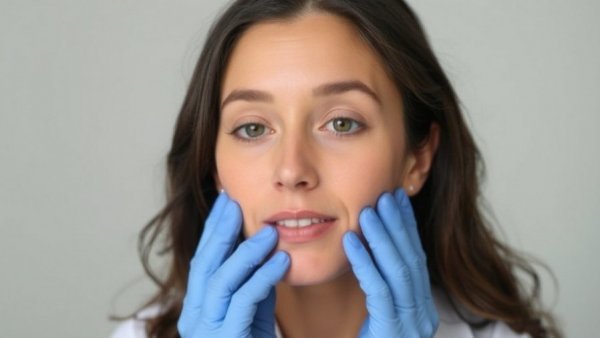
Revolutionizing Treatment for Chronic Skin Conditions
For individuals grappling with chronic skin conditions such as eczema, psoriasis, or chronic hives, the landscape of treatment is evolving dramatically. Recent research and technological advancements in dermatology are paving the way for innovative therapies that can provide hope for clearer skin with fewer injections. The increasing focus on patient-centered care means that doctors are looking for ways to personalize these treatments, making them more effective and comfortable for patients. Advances such as genetic testing could simplify choosing the right treatment regimen without the previous lengthy trial-and-error process. This promising future was a central theme at the recent American Society for Dermatologic Surgery (ASDS) meeting in San Diego, where experts illuminated the exciting breakthroughs that could transform patient experiences.
Innovative Medications Bringing Hope
Dermatologists like Dr. Cory Maughan, Dr. Matthew Elias, Dr. Hamza Bhatti, and Dr. Janine Miller emphasized the significant leap from outdated treatments, which often involved heavy medications with adverse side effects, to the modern approaches that now exist. Dr. Miller noted that biologics—injectable medications targeting specific inflammatory processes—have fundamentally altered patient management. “For chronic skin conditions for decades, we didn’t have really wonderful treatments,” Dr. Elias explained. “The switch to biologics is truly revolutionary.” However, with biologics and newer JAK inhibitors, effective options are now available that promote better outcomes.
JAK Inhibitors: A New Era in Oral Treatments
These JAK inhibitors, which are available in both pill and cream forms, have opened the door for treating chronic skin diseases like alopecia and vitiligo, where options were previously limited. Dr. Maughan remarked on the excitement surrounding these medications, stating, “I remember training when there were so few resources available for our patients with chronic conditions.” Patients can now look forward to a much more manageable treatment experience, sparing them from the uncertainties of ineffective options. This transition not only connects patients to more effective therapies but also provides them with a sense of agency over their health.
Climbing the Bar: Higher Expectations for Outcomes
In the past, effective treatment for psoriasis might have meant achieving a 75% clearance of symptoms; today, with improved therapies, that bar is being raised to an impressive 90 to 95%. This shift signifies major strides in dermatological care. Dr. Bhatti articulated the drastic changes, explaining that as medication monitoring decreases, patients can enjoy significant improvements in their quality of life—spending less effort worrying about their skin conditions. “You’re not thinking about the disease state every day anymore,” he said. This mental freedom is crucial, as skin conditions often carry burdens beyond the physical, impacting self-esteem and social interactions.
Fewer Injections, More Convenience
Convenience is another major plus of new treatments. Historically, biologics required weekly injections; however, newer therapeutic options may necessitate treatment only a few times a year. This dramatic shift means that dermatology patient management is transforming into a much simpler process. Dr. Elias expressed optimism about expanding the intervals even further, stating, "If you’re only taking something once a year or once every five years, it’s very, very, very easy for patients.” This kind of innovation ultimately reduces the disruption of daily life, allowing patients to focus on living rather than their condition.
The Caution: Consistency is Key
While these advancements are promising, Dr. Miller reiterated the necessity of consistency in medication to maintain results. Stopping treatment can mean losing the progress patients have made, akin to managing chronic health conditions like heart disease. This reveals the complex balance between managing a treatment plan and ensuring an improved quality of life. For many, the concept of having to commit to ongoing treatment can feel daunting, but the benefits often outweigh the challenges, manifesting as not just clearer skin, but also improved overall well-being.
The Role of Awareness: Drug Commercials and Patient Empowerment
Beneath the glossy depictions and catchy slogans, television drug commercials have an unexpected benefit—they encourage patient inquiry and engagement. Dr. Maughan mentioned that many of his patients arrive with specific inquiries about medications they’ve seen advertised, eager to discuss treatments that have caught their attention. This paradigm shift showcases how marketing can play a crucial role in patient empowerment, propelling them to seek help proactively. It emphasizes the need for a well-informed patient base, as knowledge can enhance conversations with healthcare providers and lead to better treatment decisions.
Future Predictions: What Lies Ahead for Dermatology?
As we look toward the future, the dermatology field promises even more exciting innovations. The ongoing research into personalized treatment, particularly through advances in genetic testing, could someday enable doctors to tailor medications specific to individual patients’ genetic profiles. This would not only enhance safety and efficacy but could also decrease the time spent finding the right treatment regimen. Patients can anticipate a future where chronic conditions no longer dominate their lives, paving the way for a society that embraces holistic well-being.
In conclusion, for anyone suffering from chronic skin conditions, help is not only on the way—it’s transforming how we approach treatment. Patients now have access to more effective, less intrusive options, helping them regain their lives and confidence. By staying informed about the latest advancements, individuals can embrace hope and take proactive steps toward illuminating a healthier future.





Write A Comment