



The Hidden Changes of Menopause: What You Should Know
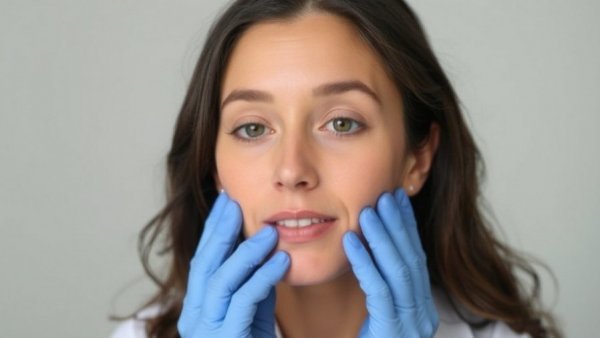
As women transition through perimenopause and menopause, many find their skin behaving in unexpected ways. Common complaints include sudden breakouts, thinning hair, or crepiness under the eyes—the physical toll of hormonal fluctuations can be profound. Dermatologists like Dr. Doris Day emphasize that these changes are not just typical signs of aging; rather, they signal a need to adapt our skincare routines to address hormonal shifts. It’s not just a phase, and women should take these changes seriously, as they can impact self-esteem and overall quality of life.
Understanding Hormonal Influence on Skin
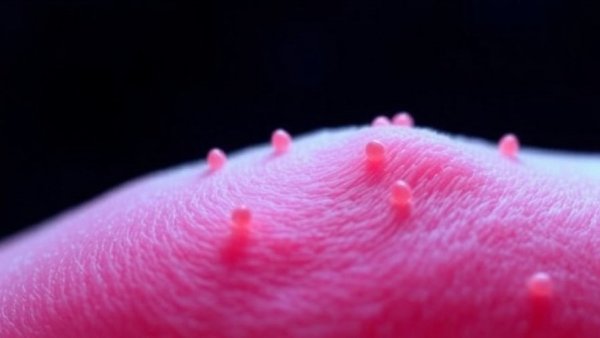
During perimenopause and menopause, estrogen levels significantly decline, which can lead to decreased collagen production. This drop in collagen is often the culprit behind loss of elasticity and firmness in the skin, leading to wrinkles and sagging. Dr. Day notes that patients frequently report frustration over how their skin no longer responds to the same products that once rejuvenated it. As hormones shift, the skin’s pH balance can also change, making it more prone to dryness and irritation.
Decoding the Regenerative Aesthetic Treatments
Amidst the buzz around regenerative aesthetics—treatments designed to harness the body’s natural ability to heal and rejuvenate itself—many patients are left wondering what actually works. Dr. Marina Peredo has found that while treatments like PRP (Platelet-Rich Plasma) and exosomes are gaining traction, they come with promises that may not yet be scientifically validated. Understanding this distinction is essential for those exploring these options. It’s vital to approach these treatments with a critical eye; effective options exist, but not every trendy treatment has the backing of thorough research or testing.
Scrutinizing New Trends
Although PRP has shown promise in stimulating hair regrowth and improving skin texture, Dr. Day cautions that it’s essential to gather ample information before committing to such procedures. Furthermore, the hype surrounding exosome products, which claim to enhance skin healing and rejuvenation, needs to be scrutinized. None of the exosome treatments available today have received FDA approval for cosmetic use, raising concerns about their safety and efficacy.
The Science Behind GLP-1s and Its Impact on Skin
Another major discussion point is the impact of GLP-1 medications, often used for weight management. As patients experience weight loss on these treatments, it can lead to facial fat loss which might alter how one looks or feels in their skin. This transformation can be jarring for many, especially if they are not prepared for the accompanying effects on their facial structure. It's essential for people undergoing such treatments to consult dermatologists who can provide tailored advice on maintaining skin health during significant weight changes. Getting a professional opinion can help mitigate unexpected changes and guide women through the emotional and physical shifts they may encounter.
Not Just Skin Deep: How Overall Wellness Affects Beauty
Everyone knows that good health shines through in one’s appearance, but the correlation goes deeper than aesthetics. Sleep, mood, and nourishment all play critical roles in how our skin behaves. Research has shown that stress can also take a toll on skin health, potentially leading to breakouts and other skin issues. Practicing self-care routines involving hydration, balanced diets rich in antioxidants, and managing stress can enhance skin health and overall wellness. Including activities such as yoga, meditation, or even regular exercise can aid in maintaining an internal balance that is reflected externally.
Common Misconceptions About Menopause and Skin Health
It’s easy to dismiss changes in skin health as simply a grim consequence of aging, but Dr. Day insists that just because these changes are common does not mean they are normal. Women shouldn’t feel pressured to ignore the symptoms they experience. Knowledge about menopause can empower them to advocate for their skin health and seek appropriate treatments. Staying informed allows women to make educated choices about their skin and seek solutions that best meet their needs.
Embracing Change: Practical Insights for Menopause Management
Adjusting one’s approach to beauty during menopause may involve embracing a few new strategies, such as integrating heavier moisturizers into your skincare routine, opting for hormone-balancing therapies if they suit your health profile, and incorporating sunlight protection—something Dr. Day and Dr. Peredo both emphasize as crucial. Sun protection is essential for maintaining skin integrity, especially since certain treatments can increase sensitivity to sunlight.
Listening to Your Body
Moreover, those interested in aesthetic treatments should engage in thorough discussions with their dermatologists to understand what solutions might be beneficial, keeping in mind the balance between scientific validation and marketing hype. Listening to your body is key—if something feels off or uncomfortable, it’s important to consult a professional rather than relying solely on online narratives or peer advice.
The Path Forward: Transformative Options Await
The evolving landscape of beauty and wellness encourages individuals to learn about their changing bodies and explore innovative avenues for self-care. The future of skincare holds promise through ongoing research into regenerative methods. Through proactive engagement, adapting our beauty routines can become a powerful tool for feeling good in one's skin, especially during life's transformative moments. For women navigating these transitions, understanding the links between wellness and beauty is key. It’s never too late to start taking care of your skin, inside and out. Engage with your health, consult professionals, and don't shy away from seeking out treatments (traditional or progressive) that address your unique challenges. Knowledge is power, and the more empowered you feel, the healthier and more vibrant your skin can become.



Write A Comment