


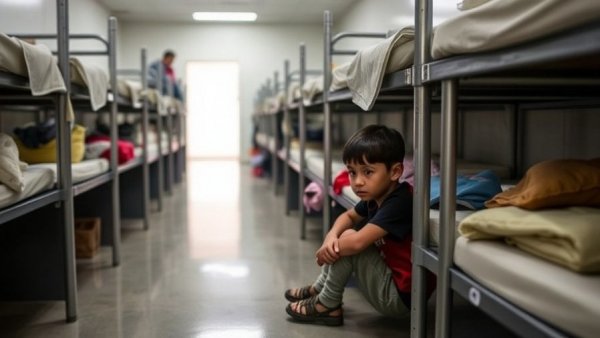
The Reality of Migrant Children in U.S. Shelters
The plight of migrant children in U.S. shelters continues to evoke deep concern, as numerous reports underline the struggles these vulnerable kids face. The narrative of a 9-year-old girl from El Salvador, M.R., illustrates a heart-wrenching reality; she penned a letter to her mother, expressing her longing to be together again while spending over seven months in a government-run shelter. Such cases spotlight the emotional and mental toll these prolonged separations take on children seeking safety away from their home countries. Stories like M.R.’s bring into focus the human aspect of immigration statistics, reminding us that each number represents a child with dreams, fears, and a desire for love and family stability.
Emotional Toll and Health Concerns
Children like M.R. aren’t merely statistics; they are individuals carrying heavy emotional burdens. Studies reveal that prolonged separation from parents can lead to anxiety, depression, and various health issues for children. M.R. herself reported physical symptoms, including nosebleeds and feelings of illness, indicating how mental distress can manifest physically. This situation is compounded by the fact that many families are left in limbo, fearing detention when attempting to reclaim custody. The narrative emphasizes the importance of addressing not just the physical but also mental health aspects of children's well-being during such traumatic experiences. It raises an urgent need for resources and support systems aimed at healing and nurturing these young lives.
The Changing Landscape of U.S. Immigration Policy
Under the second Trump administration, the approach to handling unaccompanied migrant children has shifted starkly. Families, advocates, and legal representatives argue that what was once intended as a child welfare program has increasingly become a tool in a broader immigration enforcement strategy. Rather than prioritizing reunification of children with their families, current policies seem to promote detention and indefinite separation, creating a system where these children are often held for extended periods in shelters, awaiting resolution. The focus has now shifted to keeping these children in administrative limbo rather than ensuring their swift return to safe family environments.
Why This Matters for Families
These policies are not only impactful for those directly involved; they resonate with families across the nation, raising critical questions about child welfare and immigration reform. For parents—particularly those watching from a distance—the emotional torment of uncertainty and fear for their children's safety can be deeply unsettling. The stories of children in shelters illustrate the human cost of a complex immigration system, prompting parents and community leaders to reflect on the values of family, safety, and security. Engaging in discussions about policy changes and family health can empower individuals to advocate for a more humane approach that prioritizes children’s best interests. Parents can start recognizing these narratives as part of a larger discourse on child rights and societal responsibility toward vulnerable populations.
Future Predictions and Opportunities for Advocacy
Looking ahead, it’s apparent that public sentiment could drive significant changes in immigration policy surrounding children. As more stories from families like M.R.'s emerge, calls for reform have grown louder, including the need for systematic support that keeps families intact. Advocacy groups urge individuals to be proactive in supporting policies that align family health and wellness with immigration reforms. Engaging in advocacy starts with educating oneself on the facts, spotting opportunities for support, and demanding accountability from policymakers. Importantly, it also involves creating spaces for open dialogue where diverse perspectives can be shared, enhancing community understanding and cohesion.
Actionable Steps for Community Involvement
One way to facilitate change is through community engagement. Participating in local advocacy groups, supporting legal aid organizations, or simply starting conversations around family health related to immigration can help create a more empathetic community. Encouraging compassionate dialogue can foster understanding within communities that might be polarized on immigration issues. Grassroots movements can be strengthened through social media campaigns, town hall meetings, and coordinated efforts to reach out to local representatives. These grassroots efforts can amplify the voices of affected families, reminding policymakers of their human stories and the urgent need for reform.
The Role of Policy in Shaping Lives
Policies governing the treatment of migrant children have a profound impact on their futures. When children are placed in shelters for extended periods, they lose precious time that could have been spent in nurturing environments, impacting their educational and emotional development. This stunted growth reflects not only on the individual child but also presents larger societal challenges as these affected youths grow into adulthood. Advocating for humane immigration policies is, therefore, an investment in the future of all communities. By fostering a supportive legislative environment, we can help ensure that children like M.R. are not just survivors but also thrive in the future.
In Conclusion: Championing Child Welfare
The journey of migrant children in shelters is fraught with challenges, but community awareness and advocacy have the power to incite change. By recognizing the emotional, physical, and mental struggles these children endure, we can collectively work towards a future where their health and family reunification take precedence. The time to act is now; we must create supportive networks that not only advocate for policy change but also provide direct resources to families affected. If you wish to make a difference in the lives of these children and families, connect with local advocacy groups, raise awareness, and educate others about the importance of family health in this challenging landscape. Every action counts, and together, we can contribute to a more humane treatment of vulnerable children and their families.





Write A Comment