


A Harrowing Wait for Care
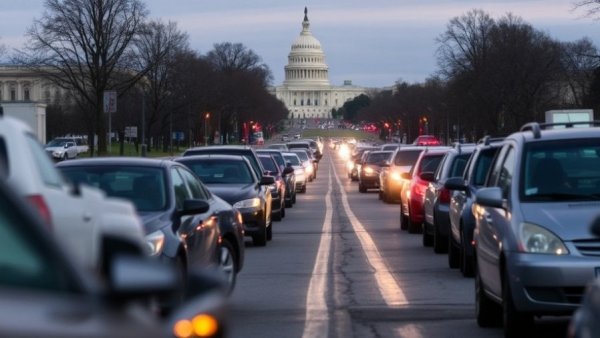
In the suburbs of Washington, D.C., not far from the epicenter of political power, dozens of people recently spent a night in their cars, braving the elements to secure access to free healthcare. This was witnessed at a Remote Area Medical (RAM) clinic held at Takoma Academy in Takoma Park, Maryland. On October 17, cars lined up as early as midnight, with patients eagerly awaiting doors to open for free medical, dental, and vision care. The scene illuminated the stark reality faced by many, as individuals who had been longing for basic health services took these extraordinary measures, showcasing the desperation of those caught in a system that should ideally provide support but sometimes falls short.
The Unseen Struggles of Affordability
Despite the fact that Virginia and Maryland boast median household incomes exceeding $108,000 and around 94% of residents have health insurance, the reality is that many are still unable to afford necessary care. For example, Kenys Bautista, a payroll specialist who lacks benefits, waited overnight to get medical and dental checkups that she had delayed for three long years. "It’s really sad that a lot of people like me had to sleep in their car just to see a doctor or dentist because we do not have health insurance," she stated cogently, underscoring the deep-seated challenges that persist around healthcare accessibility. Her story is all too common, reflecting broader trends in the healthcare landscape where socioeconomic status does not guarantee access to essential services.
Shifting Demographics and Urban Challenges
This clinic is part of a growing trend where RAM, traditionally focused on rural communities, is now providing essential services to urban and suburban populations. This shift highlights an urgent need to delve into the barriers faced even by those who seemingly have access to coverage; often, out-of-pocket expenses still prove unaffordable, as noted by other clinic attendees like Alma Walton, who cited her ineffectual Medicare coverage. This is particularly concerning for families and individuals managing chronic health conditions that necessitate ongoing care, which may not be financially feasible even with insurance. As the socioeconomic landscape changes, the healthcare system must adapt to address these pressing issues.
In Search of a Solution
The increasing number of people seeking free healthcare is alarming, especially in a society where health coverage is increasingly politicized. The 2026 electoral landscape has spotlighted healthcare affordability as a top concern for voters, raising questions about the future of health policy. As patients shared their experiences waiting for a chance at treatment, it brought a human element to what often feels like a dull statistic or political talking point. The reality is, every patient represents a story, a reason for the urgency that drives them to seek out such clinics. The emotional scars of health struggles are often overlooked in political debates, yet they underscore the need for comprehensive reform that addresses affordability and accessibility at every level.
Real-Life Stories Highlight the Urgency
Alma Walton, another attendee, patiently waited for procedure slots while reflecting on the broader implications of her experience. "I never thought I would need a clinic like this, but it’s gotten so expensive in the world," she remarked. Her story serves as a poignant reminder of the unseen struggle many face, and it resonates deeply with those who often feel powerless against escalating healthcare costs. The experience at the clinic also revealed a range of individuals; of the 467 patients treated, 25% had existing health coverage but still faced barriers. This alarming statistic points to the inadequacy of current insurance models, which often leave patients grappling with high deductibles and copays that make necessary care unattainable.
Healing Beyond the Treatment
Healthcare is not merely a service but a basic human need, yet the social stigma around seeking free services persists. Conversations around stigma highlight the emotional toll of navigating healthcare, especially for the vulnerable populations that clinics like these aim to assist. While the physical needs were being addressed, the emotional weight was palpable among attendees who’ve had to confront the inequalities in our healthcare system. Many of the individuals attending the clinic shared feelings of anxiety and frustration, not only about their current health situations but also about the long-term implications for their families. Stories of worry for children caring for sick parents or the fear of medical bankruptcy create an even deeper layer of urgency and need for community support.
Taking Action Towards Better Health Policies
The situation at Takoma Academy illustrates a pressing need for proactive community support alongside public health policies. As residents of affluent areas still find themselves grappling with affordability, the public must demand better solutions. Healthcare should not be regarded as a privilege; it is a fundamental right deserving of priority. There’s an urgent call for policymakers to rethink current structures and implement changes that prioritize health equity. Initiatives that promote access to preventive care and address social determinants of health can help move communities toward a healthier future.
Your Role in Advocating Change
As a reader and engaged citizen, it's crucial to acknowledge your influence in this narrative. Share stories, raise awareness, and get involved in your local political discussions on healthcare improvement. Your voice can be part of the solution. Connect with local advocacy groups that share your vision for a more equitable healthcare landscape. Volunteer your time or donate resources to organizations working on the front lines that address health disparities.
Healthcare is a narrative of hope, need, and advocacy—if we take proactive steps, we can foster a healthier world for all. If you’re committed to making a difference and staying informed about health solutions that impact your family and community, consider engaging with local health initiatives. Find out how you can get involved with organizations advocating for accessible healthcare right in your area. Your passion and involvement can spark meaningful change and support those who are in dire need of healthcare solutions.



Write A Comment