


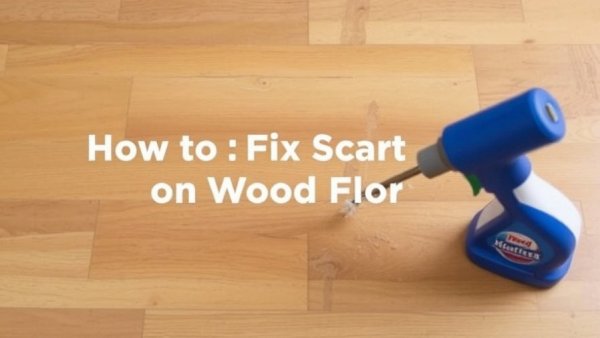
Understanding the Causes of Wood Floor Scratches
Wood floors are a stunning addition to any home, combining practicality with natural beauty. However, they are not immune to damage. Scratches can occur from numerous sources including heavy furniture, pet claws, dirt accumulation, and improper cleaning techniques. It’s essential to understand the causes of these scratches to mitigate their effects and protect your investment. Rick Berres, a remodeling expert, emphasizes that dragging heavy furniture across hardwood floors is a primary culprit of major damage. Similarly, dirt and grit can slowly grind into the finish of the wood with foot traffic, amplifying the risk of scratches.
Other Hidden Sources of Scratches
Aside from the obvious culprits, several less considered factors can contribute to the wear and tear on your floors. High heels, for instance, are notorious for creating pockmarks and dents due to their concentrated weight on small surfaces. Meanwhile, untrimmed pet claws, especially from energetic dogs or even enthusiastic cats, can create deep scratches that are difficult to repair. Maintaining regular pet grooming not only contributes to a tidy home but also makes a substantial difference in protecting your hardwood floors.
The Importance of Regular Cleaning
Maintaining the beauty of wood floors extends beyond just fixing scratches; regular cleaning is pivotal. Employing the right tools can significantly reduce the risk of future scratches. Soft brooms and appropriate vacuum cleaners prevent accidental dings during the cleaning process. For the best results, use specialized hardwood floor cleaners following sweeping or vacuuming. This proactive approach not only preserves the surface finish but also prolongs the life of your flooring.
Choosing the Right Cleaning Products
When selecting cleaners, it’s essential to opt for products specifically designed for hardwood surfaces. Using strong chemicals or wax-based cleaners can strip the protective finish of your wood floors, making them more susceptible to scratches. Reading labels carefully and following the manufacturer's recommendations helps in maintaining the quality and longevity of your flooring. Thorough cleaning every few weeks, or more frequently if you have kids or pets, will foster a healthier and cleaner environment while preserving your floors.
DIY Solutions for Superficial Scratches
Fortunately, many scratches on wood floors can be remedied with simple DIY solutions. One popular method involves the use of walnuts. Rubbing walnuts on superficial scratches allows the natural oils and dyes to fill in and camouflage the marks, offering a quick and effective fix. Another solution includes creating a paste with olive oil and baking soda. This natural concoction serves to buff out the scratch while also nourishing the wood. After application, buff the area with a soft cloth to restore a shiny finish. Additionally, if you’re dealing with more extensive scratches, consider using a wood stain marker to blend the scratch with the surrounding floor color. These are widely available and can be matched to your specific wood tone.
Long-term Management of Scratch Prevention
Preventing scratches requires a multifaceted approach. First, using furniture pads under heavy items can lessen the impact when furniture is moved. These small but mighty pads help protect your floors from scratches and are an easy DIY project for any homeowner. Additionally, instituting a no-shoes policy helps to keep dirt and grit off the floors, reducing long-term wear. Furthermore, utilizing area rugs in high-traffic zones can provide an extra layer of protection where your floors need it most. Employing regular grooming for pets also cuts down on the risk of nail-related scratches, particularly for soft woods which are more prone to damage. If you do have disposable income, consider investing in a good quality pet nail trimmer or even taking them to a professional groomer regularly for maintenance.
Final Thoughts on Wood Floor Care and Maintenance
Scratched hardwood floors can seem discouraging, but with awareness and regular care, they're manageable. Employing the right cleaning techniques, addressing minor scratches promptly, and taking preventative measures can ensure that your hardwood floors remain beautiful and resilient for years to come. Keeping up with these strategies not only enhances the aesthetics of your living space but also protects the value of your home. Stay mindful of your cleaning practices and the habits that contribute to wear. With a bit of vigilance and proactivity, you can maintain the stunning allure of your wood floors while creating a warm and inviting atmosphere in your home.





Write A Comment