


Discover the Hottest Gardening Trends for 2027
As gardeners eagerly await the arrival of spring, many are already looking forward to what new trends in gardening will blossom in 2027. This year promises a beautiful blend of creativity and practicality, inspired by the latest gardening insights.
Unveiling the Color of the Year: Ancient Blue
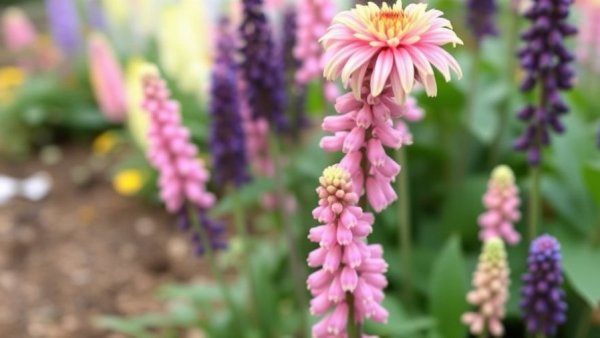
This year's most anticipated color is Ancient Blue, a tribute to the stunning lapis lazuli that captivated ancient Egyptians over 5,000 years ago. Blue is oftentimes viewed as a rare treasure in the garden, present in less than 10% of flowering plants, making it all the more desirable. Gardening expert Katie Dubow emphasizes the calming influence of this shade, suggesting an array of blue flowers like delphiniums and salvia to enrich your outdoor space. Furthermore, transforming your hydrangeas from pink to blue by adjusting soil acidity is an exciting endeavor to consider.
Integrating blue plants into your garden isn't just visually pleasing; it's a chance to create a historical homage in your own backyard. Pairing these true blues with weathered terra cotta pots and indigo fabrics can bring a cohesive aesthetic, inviting tranquility and beauty into your home living space.
Upgrade Your Edible Garden with Unique Selections
The modern gardener wants more than just produce; they crave an experience. Findings from Monrovia's 2027 Garden Design Trends Study underline a growing interest in customized edible gardens. As shoppers become more discerning, they are now seeking plants that not only provide sustenance but also enhance their garden's aesthetic appeal. For instance, consider adding exotic options like figs, pomegranates, and herbs known for their visual beauty as well as their flavor.
This shift towards edited edibles transforms your garden into a culinary adventure, one that can serve as a conversation starter during summer gatherings, enriching the community connection around shared meals and experiences.
Embrace the Rococo Revival in Your Garden
Floral exuberance is making a comeback with the Rococo style, a celebration of ornate beauty that strays far from minimalistic designs. Rococo, born from an 18th-century French rebellion against the rigid Baroque style, invites dynamism and joy into garden design. Embracing rich jewel tones and asymmetry, this aesthetic encourages using an elaborate stone urn with trailing vines or abundant floral groupings to yield a garden that bursts with life and character.
Don't shy away from mixing textures and colors—combine peonies with double-flowered roses or ruffled pansies to create layers of visual delight. Infusing Rococo elements into your garden revitalizes your space and creates an inviting atmosphere that draws family and friends together, fostering deeper connections with one another.
The Importance of Community in Gardening Trends
As gardening continues to evolve, the interconnection between local initiatives and individual choices becomes increasingly important. Whether it’s through community gardens or neighborhood plant swaps, cultivating our green spaces allows us to share resources, knowledge, and stories. Observing how gardening trends ripple through communities not only enriches our surroundings but also strengthens the bonds we share. So, as you plan for 2027, consider how your garden can be a reflection of your values, community ties, and personal experiences.
Get Ahead with Sustainable Practices
With the increasing awareness of environmental sustainability, eco-friendly gardening practices are gaining traction. From using organic fertilizers to growing native plants, adopting sustainability principles in your garden can have profound effects on local biodiversity and soil health. These habits are not only rewarding for the environment but also for your overall wellness, enriching every aspect of home living.
As we embrace gardening trends for 2027, let us celebrate the journey of growth and creativity. Each plant and design choice reflects our unique perspectives and desires, and it's an opportunity to cultivate not just our gardens, but the relationships and communities around us.



Write A Comment