


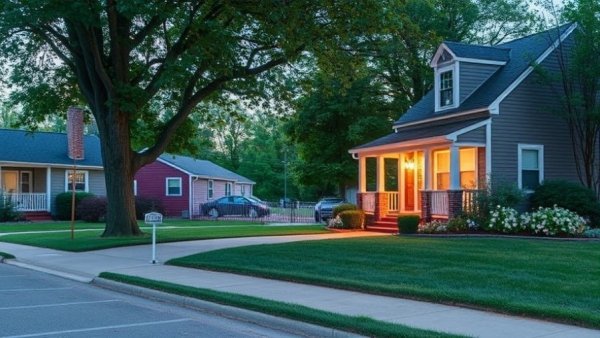
Why Returning to Your Roots Can Be a Smart Retirement Strategy
Imagine walking through the familiar streets of your hometown, where you grew up. As you retire, the thought of relocating back to your roots might spark nostalgia mixed with practicality. A recent trend among retirees suggests that returning home can offer both emotional fulfillment and financial benefits, making it a choice worth considering for many. Not only does this trend tap into the emotional connection we have to familiar places, but it also touches on the growing desire for stability and community in one's later years.
The Emotional Connection to Home
Returning to the town where you spent your formative years can reignite cherished memories. Years later, those very streets and parks where you grew up become a comforting backdrop to your new life journey. There’s something powerful about revisiting sites imbued with personal history. Whether it’s reconnecting with childhood friends or enjoying the familiar scenery, the emotional connection often leads to a more fulfilling retirement. Research shows that emotional well-being significantly impacts overall health, which is something every retiree should consider. In fact, many studies have indicated that having a strong support network and a sense of belonging can reduce the risks of mental decline and promote a longer, healthier life.
A Cost-Effective Choice
For many, the idea of moving back is also about finances. In today’s world, where the cost of living can often spiral out of control, returning to a hometown presents an attractive option. Many retirees downsize, and those who relocate to smaller homes or even apartments can witness significant savings in living expenses. Moving back to towns that feature lower property taxes and living costs can stretch retirement savings further, allowing for more disposable income to pursue hobbies and interests. For instance, a retiree who sells a larger home in an expensive city might move to a smaller, more affordable home in their hometown, freeing up funds for travel or other experiences during their retirement.
Adventure Awaits, Right at Home
Additionally, many hometowns experience revitalization, offering new amenities such as recreational facilities, parks, and cultural events. These improvements can turn a once-quiet town into a vibrant community that welcomes new residents. Retirees can take advantage of community resources that enhance quality of life without breaking the bank. Whether it’s joining a community garden or taking up a new hobby at local art centers, staying engaged in life is key to a happy retirement. Local governments and organizations often provide programs specifically tailored to seniors, offering everything from fitness classes to art workshops, thus helping retirees stay active and socially connected.
Staying Close to Family and Friends
As retirees think about their future, family connections become increasingly important. Moving home allows retirees to enjoy some of life’s sweetest moments with family – from attending grandchildren’s soccer games to celebrating holiday traditions together. The social interactions foster bonds that contribute positively to mental health and life satisfaction. Studies have shown that maintaining strong family connections can greatly improve one’s psychological outlook, leading to a more enriched retirement experience.
Counterarguments: It’s Not for Everyone
While the emotional and financial benefits are compelling, returning to your hometown might not resonate with everyone. Some may find their hometown doesn’t fit the lifestyle they envision for their retirement years. For instance, retirees who have become accustomed to the vibrant energy of city life may struggle with the slower pace commonly found in smaller towns. Additionally, adapting back to a small-town atmosphere might feel restrictive for some, especially if they thrive on constant stimulation and the array of options available in urban environments. It’s essential for retirees to weigh the pros and cons based on their unique circumstances before making any major moves.
Planning Your Move
If the idea of retiring back home sparks excitement, the next step is planning your move. Start by evaluating your monthly budget and potential sources of income, such as Social Security and retirement accounts. Knowing your financial situation allows for clearer decision-making. Make a checklist of essentials needed for your new home, whether it’s a small garden for vegetables or a cozy reading nook where you can enjoy your favorite books. Additionally, considering the aspects of your home that contribute to a healthy lifestyle, such as walkable neighborhoods, can greatly enhance your quality of life and encourage physical activity.
Let’s Get Started with Your New Life
Retirement planning should focus on individuals’ goals, wants, and needs. If jumping back to your hometown feels fulfilling, why not take the plunge? Embrace your roots while engaging in your retirement with confidence and purpose. Take the first steps towards your new life – whether that means visiting your old neighborhood, rekindling friendships, or getting to know the evolving local community. You deserve to transform your dreams into reality, enjoying the life you’ve always imagined at home. Remember, your retirement is your time to shine, and creating a meaningful, joyful chapter in a familiar place can be a wonderful way to achieve that.





Write A Comment