


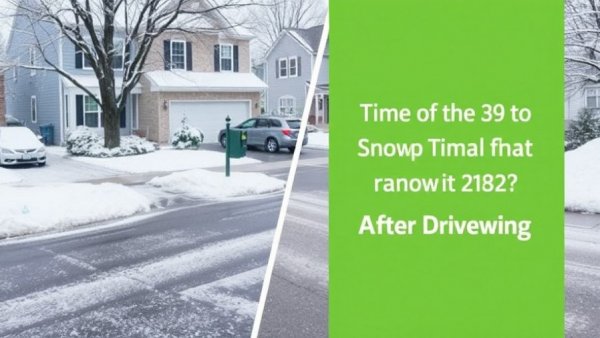
Understanding the Importance of Timely Salt Application
Winter in Pennsylvania brings with it the beauty of snow-covered landscapes, but also the dangers of icy pathways. With the Centers for Disease Control reporting a staggering 35 percent increase in slips and falls during the winter months, homeowners need to prepare their driveways proactively to keep their families safe. Ice melt salt is a valuable tool, but knowing when and how to use it is crucial for maintaining safe access to your home.
Pre-Salting: The Key to Preventing Ice Bonding
Should you salt your driveway before it snows? The experts say it depends, but generally, applying salt several hours before an incoming storm can work wonders. The salt creates a protective barrier that prevents ice from bonding with the surface of your driveway, easing the process of snow removal later on.
This approach saves both effort and time during heavy snowfall, allowing you to enjoy a safer environment for your family and visitors. Additionally, applying salt in advance means that when the snow drops, it won’t cling to the surface, making it easier to shovel away. This proactive measure can be especially beneficial on high-traffic driveways where kids play or vehicles frequently park, minimizing the risk of injuries caused by slips and falls.
Post-Salting: Ensuring Ice Doesn’t Stick
Once the snow has fallen, it’s critical to take action immediately. Salting after you’ve cleared the snow not only prevents icy remnants from freezing on the driveway but also prepares your driveway for sub-zero temperatures. "When applied before the temperatures drop, salt prevents ice from forming and ensures the snow does not freeze solid to the ground," explains Angelika Klimorowski, a winter maintenance specialist at Online Rock Salt.
This means that for every snowfall, having a reliable strategy — clear the snow and then salt — can dramatically improve your driveway’s safety and accessibility. After all, no one wants to come home after a long day to find a daunting, icy path obstructing their way indoors. Additionally, by acting quickly post-snow, you can prevent the buildup of ice that can create hazardous conditions not just for your family, but also for delivery personnel and maintenance workers who frequent your property.
Combining Pre-Salting and Post-Salting: A Double Defense Strategy
For the best outcome, particularly during major storms featuring heavy snow, sleet, or freezing rain, combining pre-salting and post-salting can provide comprehensive snow and ice management. This two-pronged approach assists in building a strong defense against the hazardous conditions winter brings, ensuring your driveways remain navigable and safe for your family.
Some homeowners find themselves in a routine during winter months, becoming almost experts in driving conditions. They may share their best practices with neighbors, thus creating a community-wide effort to keep sidewalks and driveways clear. By sharing tips and ideas on neighborhood forums or social media, you not only improve conditions for yourself but help create a safer environment for everyone around. Engaging with your community in this way also fosters closer ties among neighbors, epitomizing the spirit of community resilience during winter.
How Much Salt Is Just Right for Your Driveway?
The amount of rock salt needed depends on the size of the area being treated. A single 12-ounce coffee mug of salt can cover an area of 1,000 square feet. It’s essential to avoid overapplication as it can harm both your driveway and the surrounding environment. A little goes a long way, so spreading salt evenly with a handheld spreader is suggested, especially for larger surfaces.
Overusing salt not only wastes resources but can also lead to problems such as damaged pavement and increased costs due to the need for repairs or replacements. Besides, think about the aesthetics of your property: piles of salt can detract from the generally beautiful winter scenery. By ensuring proper salt application, you strike a balance between practicality and maintaining a tidy home exterior during the season.
Exploring Alternatives to Rock Salt
Rock salt is effective for temperatures above 15 degrees Fahrenheit, but what should you do when temperatures plunge lower? In such cases, trying alternatives like calcium chloride or magnesium chloride may be necessary. They are designed to work effectively even in extremely cold conditions and can help keep your driveway safe during the depths of winter.
Using these products can be particularly beneficial not only for saving your driveway but also for the environment. Many of these alternatives are less damaging to plant life compared to traditional rock salt, presenting an option for environmentally conscious homeowners wanting to mitigate the effects of de-icing products on their gardens and lawns.
Understanding the Environmental Impact of Salt Use
While salt is a common go-to solution for de-icing, it's essential to remember its potential environmental impact. Rain can wash salt away, leading to pollution in local water bodies. Homeowners must be aware of environmental best practices and consider utilizing de-icing alternatives when necessary. This conscious approach not only protects your home but also supports the broader community’s commitment to a sustainable Pennsylvania.
Educating oneself about the local ecosystem and understanding the ramifications of runoff can spark discussions among neighbors about winter maintenance, creating awareness and encouraging responsible salting practices. By making informed choices, we can act not just as responsible homeowners but as stewards of our community's natural resources.
Final Thoughts: Making Winter Safe and Enjoyable
For Pennsylvania homeowners, understanding the best practices for salting driveways is vital. By implementing timely pre- and post-salting strategies, choosing the right amount of salt, and exploring eco-friendly alternatives, you can ensure a safe and accessible driveway throughout the winter. The joy of celebrating the beauty of snow, while keeping your loved ones safe, is what winter is all about in our vibrant community.
If you wish to learn more about how to keep your environment safe this winter while enjoying the season’s beauty, educate yourself about winter maintenance methods. Together, we can build a community that thrives under the snow, ensuring that our homes remain welcoming and safe for all throughout the chilly months ahead.





Write A Comment