
Add Row
Add Element
Pennsylvania Daily LIfe
update
Mike Sweeney
update
Add Element
  • Home
  • Categories
    • Wellness
    • Travel
    • Lifestyle
    • News
    • Health
    • Pennsylvania News
    • Financial
    • Home Living
    • Featured
July 22.2025
3 Minutes Read

What’s at Stake in Pennsylvania’s Battle for Mass Transit Funding?

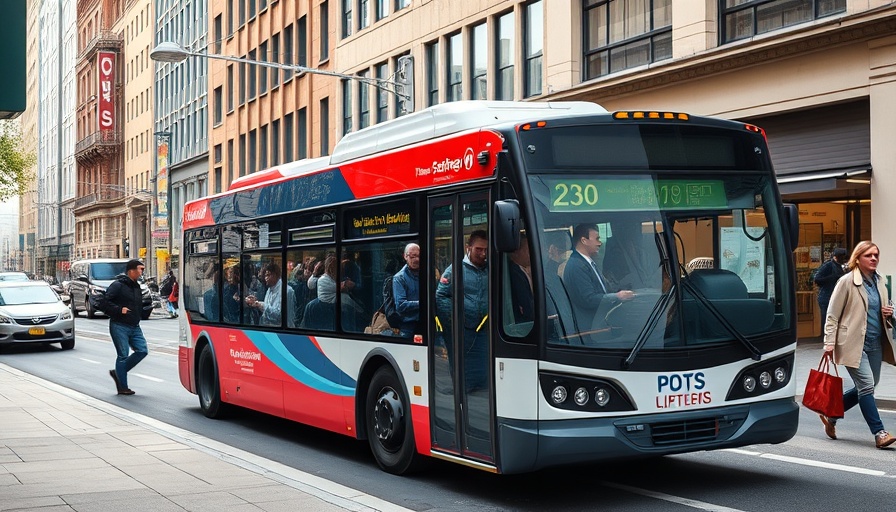
Public bus in Pennsylvania city, focus on mass transit funding

The Urgency for Increased Mass Transit Funding in Pennsylvania

In the face of looming budget cuts and potential service reductions across Pennsylvania's mass transit systems, the stakes have never been higher. With a significant portion of the state's population relying on these transport services daily, a proposed funding increase could mean the difference between continuity and chaos for riders. Advocacy groups like Transit for All PA have gathered momentum in their efforts to secure necessary funds, highlighting stories from transit users who will be deeply affected.

The Impact of Service Cuts on Riders

Andrew Long, a dedicated user of the Southeastern Pennsylvania Transit Authority (SEPTA), expresses visible concern about the potential cuts. "If they cut the 32 bus, especially, there goes my job and my way of life," Long states. Similar sentiments are echoed among riders statewide who would lose essential services that connect them to work, education, and healthcare. With SEPTA facing a dramatic $213 million shortfall, estimates suggest potential elimination of 50 bus routes and reductions in rail service, affecting up to one million riders across urban, suburban, and rural communities.

A Broader Context: Mass Transit Cuts Nationwide

This situation is not unique to Pennsylvania. Across the nation, many urban transit systems are grappling with budget deficits intensified by the pandemic and shifts in ridership patterns. In Pittsburgh, regional transit authorities are looking to cut 54 bus routes, increase fares, and impose curfews, a trend reflecting the financial strains of maintaining transportation services. This broader context underscores the importance of well-funded public transit networks as lifelines for communities.

The Critical Need for Advocacy and Support

Local advocacy groups are specifically calling for mobilization efforts to push for increased state funding. Organizations like Transit for All PA argue that public transit should be treated as a public good, essential for economic mobility and community connectivity. Understanding the realities faced by transit users is crucial for garnering public support—which in turn influences state budget discussions.

Potential Economic Consequences of Service Reductions

Reducing transit services may have ramifications beyond inconvenience; they could impact economic growth in the state. A well-functioning transit system draws businesses and creates jobs. With every bus route eliminated, the potential for economic productivity dips. In this light, investing in transit could be seen not merely as an expenditure, but as a strategic economic investment.

Future Predictions: The Impacts of Increased Funding

If the proposed funding increase is passed, public transit systems could not only maintain current services but also enhance them, introducing more routes and improving overall infrastructure. This would contribute positively to environmental sustainability, as making public transit a more reliable option encourages the reduction of single-occupancy vehicles, easing road congestion and decreasing carbon emissions.

A Call to Action: Why Your Voice Matters

Everyone using transit, or who cares about their communities, should engage in the discussion around mass transit funding. Advocating for increased funding can take many forms: attending town hall meetings, writing to state representatives, or simply sharing stories about why public transportation is important. Your involvement can shift the narrative and ensure that essential services are preserved for future generations.

The future of public transit in Pennsylvania hangs in the balance; for those who rely on these services, the time to act is now. Together, we can push for a robust mass transit system that serves all citizens effectively.

Pennsylvania News

1 Views

0 Comments

Write A Comment

*
*
Related Posts All Posts
12.15.2025

Understanding World Cup Soccer Ticket Costs in Philadelphia Before You Buy

Update World Cup Excitement on the Horizon In less than a year, Philadelphia will be buzzing with soccer fans eager to catch the historic 2026 FIFA World Cup games at the iconic Lincoln Financial Field. With the tournament spanning from June 11 to July 19, the city is preparing for an influx of visitors and local fans alike. But a key question looms: how much will it actually cost to witness the world’s best soccer teams battle it out? Breaking Down Ticket Prices The ticket pricing model for the World Cup games in Philadelphia is tiered, reflecting the importance of each game and the desirability of seating locations. As revealed by FIFA, seats for games at Lincoln Financial Field will range from $140 for the less prestigious match between Curacao and Ivory Coast to a steep $840 for prime seats during the highly anticipated round of 16 on July 4. This range is relatively affordable compared to other venues hosting finals, like the MetLife Stadium in New Jersey, where tickets can skyrocket up to $8,680 for the finals. This disparity highlights the value of attending a World Cup match in Philadelphia while still being able to enjoy the exhilarating atmosphere of international soccer. Understanding the Seating Tiers The World Cup seating categories, as noted, encompass four tiers, with pricing announced for only the top three so far. These tiers provide options for every fan's budget. The games scheduled for Lincoln Financial Field currently have ticket prices set as follows: Curacao vs. Ivory Coast: $140 - $450 France vs. FIFA2: $220 - $600 Brazil vs. Haiti: $265 - $700 Ivory Coast vs. Ecuador: $180 - $500 Croatia vs. Ghana: $180 - $500 Even if the top-tier options are out of reach for many, FIFA has indicated that a “tier four” will be available with an even lower price point. This could mean a chance for fans to witness the action from a distance, possibly with binoculars in hand. Impact on Local Economy and Tourism The upcoming World Cup not only serves as an electrifying event for sports enthusiasts but it also holds significant implications for local businesses. Philadelphia's economy stands to benefit from the expected surge in tourism. Hotels, restaurants, and retail outlets gearing up for this influx are crucial for maintaining the city’s vibrant economy. Local business owners are particularly optimistic, as they aim to capitalize on the foot traffic generated by the games. Special promotions, events, and themed offerings are anticipated to diversify the experience for fans, making it a festival of sorts beyond just the matches. The Bigger Picture: A Global Stage The 2026 World Cup marks a pivotal moment in sports history. For the first time, three nations—the U.S., Canada, and Mexico—will co-host the tournament. This collaborative effort signifies a massive cultural exchange and a potential game changer for local celebrations. Furthermore, some games being held in underserved communities can help promote sports and inspire the next generation of players. Final Thoughts Understanding the cost implications of attending a World Cup game can significantly enhance your experience as a fan.Whether you’re a local resident or a visiting soccer aficionado, Philadelphia promises an unparalleled experience packed with excitement and competition. The time to start planning your trip to see the beautiful game unfold is now, ensuring you secure the best ticket options before they sell out!

12.15.2025

Could We See Republican Gains in 200 Legislative Seats Due to Voting Rights Ruling?

Update Potential Shift in Legislative Power: A Closer Look The looming decision from the U.S. Supreme Court concerning the Voting Rights Act could lead to significant political changes. An analysis reveals that if the court weakens Section 2 of the Act—even slightly—Republicans could gain nearly 200 state legislative seats, predominantly in Southern states. This alarming finding has raised flags among progressive groups, particularly as many of these projected losses would deeply affect representation for Black voters. Understanding Section 2 of the Voting Rights Act Section 2 has historically been a crucial safeguard against racial discrimination in the context of voting, preventing lawmakers from drawing district maps that dilute minority voting powers. Should the Supreme Court decide to weaken this provision in Louisiana v. Callais, the ripple effects could extend beyond congressional seat redistricting. The potential erosion of these protections raises concerns about fair representation in state houses across the country, particularly in a landscape where the political representation has already been skewed. Consequences for Minority Representation The analysis from Fair Fight Action and Black Voters Matter Fund highlights that 191 legislative seats currently held by Democrats could be lost if Section 2 is overturned. The reality is grim: states like Alabama, Georgia, and Louisiana, where districts already exist that reflect the majority-minority demographic, could see these districts shrink drastically from 342 to about 202. Lauren Groh-Wargo, CEO of Fair Fight Action, captures the sentiment perfectly: “What that is doing is providing a fatal blow to Black representation in the South.” Political Implications of Redistricting Critically, redistricting typically occurs every ten years, aligned with census cycles. However, if the Supreme Court provides the green light to redraw these lines by weakening Section 2, some Republican-controlled legislatures might pursue off-cycle adjustments—commonly referred to as mid-decade redraws. This has long-term implications, particularly when considering how such redraws could prioritize the interests of the ruling party at the expense of minority groups. Counterarguments: A Push for More Freedom in Map Drawing On the flip side, some Republican states perceive Section 2’s stringent regulations as overreaching, claiming it handcuffs their ability to draw functional, fair districts. They argue that these guidelines have been manipulated, fostering a political culture where district maps favor specific outcomes rather than abiding by non-discriminatory principles. In this regard, the Supreme Court's ruling could prompt discussions about balancing electoral fairness and representation without compromising demographic safeguards. Current Events: The Path Leading to the Decision The Supreme Court’s conservative majority appears poised to rule in a manner that could empower Republican lawmakers. This comes amid a politically charged atmosphere where the landscape of voting rights is already under reform pressure across various states. While some states have attempted to pass new congressional maps, not all efforts have been successful, as seen with recent abandoned proposals in Indiana and Kansas. The uncertainty surrounding how states will respond to a weakened Voting Rights Act is palpable, with many progressives warning against the potential for significantly exacerbated disenfranchisement. Future Directions and Effects on Democracy The immediate future could witness a realignment of political power structures in the South, significantly impacting minority communities. With the Supreme Court’s decision imminent, civil rights advocates are urging voters to engage thoughtfully, understanding that the implications of this ruling reach historical depths tied to racially equitable voting practices. As residents of Pennsylvania and across the nation contemplate these events, understanding the broader context will be essential to navigating future elections. Now is the time for residents and voters to pay attention to these developments. The potential shifts in representation could alter the political landscape significantly. Visit local forums or civic organizations to discuss your thoughts and concerns on voting rights and ensure your voice is heard amid these transformative times.

12.15.2025

Heartwarming Update: Abandoned Puppy Tanji Finds Her Forever Home

Update A Heartwarming Rescue: From Abandonment to Loving Home On a frigid night in Pennsylvania, a dog named Tanji faced harrowing circumstances when she was abandoned in a sealed box outside the Philadelphia SPCA. This somber start could have led to an unfortunate fate, but thanks to the diligent rescue efforts of local animal advocates and the subsequent caring adoption process, Tanji has found her forever home. This incident has not only touched the hearts of many within the community but has also sparked discussions surrounding animal welfare in Pennsylvania.In 'Puppy left abandoned in box outside Pennsylvania SPCA finds loving home', the story highlights the transformative journey of Tanji, illustrating the essential role of community support in animal welfare. The Joy of Rescue: Tanji's Transformation Tanji’s journey from being a lost puppy to a beloved family member began at the Pennsylvania SPCA, which quickly stepped up to take care of her. After sharing her story on social media, the shelter received an overwhelming amount of support from the public. Tanji's adoptive family could not resist her playful spirit and loving demeanor, as seen in pictures circulated by the SPCA. Her transformation is a powerful reminder of the resilience of animals and the critical role shelters play in providing care for abandoned pets. The Importance of Community Support for Animal Shelters This case emphasizes a broader issue concerning the treatment of animals in our communities. As animal shelters in Pennsylvania struggle with overcrowding and limited resources, the story of Tanji is a beacon of hope that attracts attention to the pressing needs of local shelters. The response from the public not only provided Tanji with a new lease on life but also raised awareness about the importance of supporting animal welfare initiatives. Residents can play an essential role by volunteering, donating, or even fostering pets in need. Understanding Abandonment: Why Pets Become Lost Understanding why pets like Tanji end up abandoned can stir various emotions, including sadness and bewilderment. Some pet owners might find themselves in unfortunate situations such as financial distress or personal crises that lead them to abandon their pets. It is vital to foster community resources that can educate pet owners about responsible pet ownership and options available, like surrendering their pets to shelters or seeking assistance rather than leaving them in dangerous situations. Future of Animal Rescue in Pennsylvania The story of Tanji provides a hopeful glimpse into the future of animal rescue in Pennsylvania. With increasing awareness and community involvement, more animals can be saved and placed in loving homes. Initiatives to promote adoption—such as pet fairs, fundraisers, and educational campaigns—can significantly shift the narrative surrounding abandoned pets, gradually leading to a more humane and compassionate society. Action You Can Take: Be Part of the Change While Tanji’s story has concluded with a happy ending, there are countless other animals still in need of rescue and love. Pennsylvania residents are urged to consider adopting from shelters instead of purchasing pets from retail stores. By choosing adoption, you give a homeless animal their second chance at life. Additionally, supporting local shelters through donations or volunteering can go a long way in providing care and resources to struggling animals. Tanji's incredible journey from an abandoned puppy to a cherished family member reminds us of the importance of compassion and community. Her safe adoption is not just an isolated success story but a call to action for all of us to elevate the plight of abandoned pets and foster an environment where no animal is left behind.

Terms of Service

Privacy Policy

Core Modal Title

Sorry, no results found

You Might Find These Articles Interesting

T
Please Check Your Email
We Will Be Following Up Shortly
*
*
*