


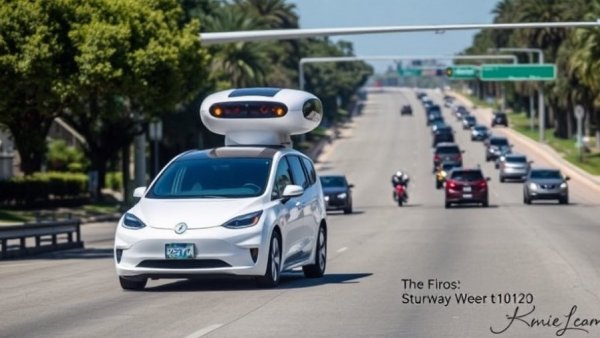
Waymo's Setback: A California Conundrum for Autonomous Driving
In a significant move this November, the California Department of Motor Vehicles (DMV) banned Waymo from operating its fleet of autonomous vehicles on freeways. This decision follows a series of troubling incidents reported on roadways where construction work and police activity were present. As locals, we know how vital safety is on our roads, making this news particularly relevant for Pennsylvania residents who might be watching the autonomous driving landscape closely.
The Risks to Public Safety
The DMV's action against Waymo stemmed from an alarming sequence of events. On November 5, three Waymo vehicles were spotted entering an active construction zone along Highway 101. While no injuries were reported, the situation highlighted the potential dangers posed by autonomous vehicles in unpredictable conditions.
Just a day later, another vehicle from the fleet attempted to maneuver past California Highway Patrol vehicles during a traffic stop, a typical procedure to ensure safety on the road. Such maneuvers in active zones are concerning, prompting regulators to prioritize human safety and adherence to traffic laws. Construction zones can be particularly dangerous, requiring quick decisions from all drivers, and Waymo’s cars are still in the process of learning how such scenarios should be navigated correctly.
Historical Context: The Evolution of Autonomous Vehicles
It is essential to understand that the emergence of autonomous vehicles has brought both excitement and caution. The technology promises monumental shifts in our daily commuting habits and overall safety. However, as seen with Waymo's recent challenges, the integration of self-driving cars into our existing traffic system is not without its obstacles.
California has previously imposed stricter regulations on autonomous driving following various safety concerns. In April, new rules were set to enhance accountability for manufacturers, indicating a conscientious effort to harmonize technological advancement with public safety. This historical context shows us that the road to integrating innovative technologies is not straightforward; it involves learning from mistakes and adjusting policies to not only protect those using the technology but all road users. For Pennsylvania homeowners and business owners, these evolving regulations disrupt traditional expectations regarding how we envision future transportation.
Waymo's Autonomous Technology: For Better or Worse?
Waymo's cars employ advanced sensors and cameras to monitor their environment, yet they have been struggling notably in construction zones. These areas often create atypical traffic patterns that the current models don't always interpret correctly. With their artificial intelligence still learning, drivers may end up facing unexpected road closures or police actions.
While living in Pennsylvania, navigating construction zones during peak traffic times is daunting even for experienced human drivers. It involves closely monitoring the activity of workers, adjusting to fluctuating road patterns, and responding to the actions of other vehicles. It's no surprise that autonomous vehicles are still facing growing pains as they grapple with real-world complexities.
The incidents involving Waymo highlight the necessary balance between technological advancement and the practicality of current solutions. While they aim to reduce traffic accidents over time, the immediate challenges remind us that embracing such transformations requires patience and careful management.
Implications for Future Technology in Our Local Communities
The ban does not eliminate Waymo's ongoing street service altogether; rather, it pushes them to intensify their focus on testing vehicles with trained specialists at the wheel on freeways. This proactive approach reflects a dedication to ensuring safer transport options while putting community safety first. In Pennsylvania, where many residents rely on vehicles to commute to work and school, ensuring that drivers—whether human or robotic—navigate the roads safely is essential.
Additionally, the discussions surrounding autonomous vehicles may foster community engagement as residents consider the types of technologies they want to adopt. Local cyclists, pedestrians, and traditional drivers may appreciate the foresight to curtail the potential hazards posed by misbehaving self-driving cars, paving the way for a safer coexistence of all road users.
What's Next for Waymo?
Though the future of Waymo’s operations on freeways remains uncertain, the company is committed to reassessing their technology. They have vowed to continue testing under regulated conditions as they strive to impress upon regulators that their vehicles can navigate construction and emergency situations safely. This commitment to improvement is crucial, especially as concerns around the safety of both passengers and pedestrians continue to bubble up.
For Pennsylvanians, the outcomes of such developments could influence local decisions about similar technologies. As the world around us adapts to this transition, our communities will need to consider regulations, road infrastructure, and how new technologies can align with the established norms of road usage.
Engaging with Community Sentiments
As we reflect upon Waymo's ban and what that might mean for drivers across the nation, we arrive at an essential conversation. What are our expectations for safety? How do we envision the integration of technology in our everyday traffic scenarios? Understanding these sentiments is vital for fostering community dialogue about future transportation solutions.
Conversations about technology, from self-driving cars to electric vehicles, provide an opportunity to shape our attitudes toward emerging innovations. Engaging in these discussions allows community members to voice their concerns and expectations, thereby influencing local policies and practices.
Your Safety: The Priority We All Share
The stories of individuals who work tirelessly to ensure our roads are safe matter just as much as the technology employed to navigate them. A shared commitment to safety is essential in this rapidly evolving landscape. Above all, the recent developments spotlight the ultimate responsibility both manufacturers and regulators share in the pursuit of safety.
As we consider the evolving transportation landscape, it's crucial to stay informed on how such advancements are harmonizing with pedestrian traffic patterns and public safety measures. The road to autonomous technology involves not just innovation, but also a collective effort to ensure that technology serves the people effectively and respectfully, ensuring that we never lose sight of the human experience in the heart of all technological progress.





Write A Comment