Pennsylvania Daily LIfe
update
Mike Sweeney
update
  • Home
  • Categories
    • Wellness
    • Travel
    • Lifestyle
    • News
    • Health
    • Pennsylvania News
    • Financial
    • Home Living
    • Featured
November 17.2026
4 Minutes Read

Unlocking Success: Essential Strategies for Effective Remote Team Management

10 Essential Strategies for Remote Team Management

Mastering Remote Team Dynamics: A Necessity in Today’s Business Landscape

In an ever-evolving work environment, effectively managing a remote team has become essential for small business owners and entrepreneurs. As more companies adopt flexible work arrangements, establishing strong remote team management strategies can drastically influence team performance and morale. Here, we explore ten crucial strategies supported by expert insights to enhance your remote team management.

Setting the Stage: Importance of Communication

At the heart of any successful remote team lies communication. Clear guidelines that outline how and when to communicate form the backbone for an engaged and connected workforce. Regular check-ins, whether through video calls, chats, or emails, are vital. They help maintain alignment on projects and foster a sense of camaraderie among team members. Transparency through updates and feedback loops will not only establish trust but also ensure team dynamics flourish amidst isolation. Additionally, it is critical to assess the effectiveness of these communication methods continually. For example, consider scheduling a dedicated time each week for these check-ins, ensuring that team members are prepared and feel heard.

Encouraging Open Dialogue: Security and Inclusivity

Creating a culture of openness is critical, as it encourages team members to share feedback and address conflicts early. Failures in communication often lead to misunderstanding and reduced productivity, especially in a remote environment. Establishing a platform for constructive conversation, where team members feel psychologically safe expressing their ideas and concerns, is key. Encourage informal check-ins and virtual coffee breaks where connections can be made outside of work-related discussions, reducing feelings of isolation and bolstering team spirit. Consider implementing a rotating schedule for these informal gatherings to ensure all voices have an opportunity to engage. By building this friendly atmosphere, your team members may feel more at ease to voice their opinions during formal meetings too.

Defining Clear Expectations: Work-Life Balance and Responsibilities

To ensure your team operates smoothly, it’s crucial to define work expectations clearly. Articulating responsibilities, availability hours, and prioritization helps prevent misunderstandings while ensuring that workloads are reasonable. Promote a balanced approach by encouraging breaks and setting boundaries, allowing your team to thrive in both their work and personal lives. Providing mental health resources can also support this balance, ensuring overall well-being. It's beneficial to have these expectations documented and easily accessible to all team members. In addition, regularly revisit and adapt these expectations as needed to accommodate project changes or individual circumstances.

Feedback Loops: Continuous Improvement

Regular feedback loops, including surveys or one-on-one meetings, foster a system of continuous improvement. This practice allows team members to voice their opinions on what works and what doesn't, promoting a culture of collaboration. Implementing these insights can enhance team dynamics further, aligning your strategies with the ongoing needs of your employees. Emphasize the importance of both giving and receiving feedback during team meetings, as this helps boost morale and drives collective success. Consider following up on feedback received to demonstrate that it's valued and actionable, reinforcing open communication within your team.

Leveraging Technology: Tools for Enhanced Collaboration

The right set of tools can enhance collaboration within your remote team. Platforms like Slack for messaging, Zoom for meetings, and Asana for task management create opportunities for streamlined communication and project management. Integrating these tools ensures that every team member is in sync, improving productivity and engagement. Regular training on these tools can equip your team to utilize them more effectively, adding to their proficiency in navigating virtual workspaces. Furthermore, ensure that any new tools adopted are user-friendly and meet your team's specific needs to prevent confusion or frustration among staff.

Counterarguments: The Other Side of Flexibility

While remote work offers significant benefits, it also presents challenges such as reduced oversight and potential communication breakdowns. Addressing these concerns is essential. One way to mitigate issues is by adopting hybrid work models, allowing for both in-person and remote work opportunities. This blend can provide the flexibility employees seek while maintaining necessary team interactions that could be lost in a solely remote setup. Additionally, optimizing communication strategies in conjunction with hybrid models can help bridge the gaps created by distance, ensuring that all team members feel equally engaged and informed.

Future Predictions: The Evolution of Remote Work

As businesses increasingly embrace remote work, we can expect to see a shift in traditional management practices. Organizations that invest in remote team management strategies will likely retain talent and see enhanced performance outcomes. Future trends could include AI-driven tools for project management and virtual reality tools for team collaboration, streamlining communication and fostering engagement in unprecedented ways. Staying updated on these emerging technologies will be crucial for leaders, enabling them to adapt and create an even more connected remote work environment.

Final Thoughts: A Roadmap for Success

In conclusion, managing a remote team successfully requires intentional strategies that prioritize communication, clarity, feedback, and well-being. By fostering an inclusive environment and harnessing technology effectively, small business owners can navigate the complexities of remote work with greater ease. As we progress into this evolving work landscape, adapting these strategies will be critical for sustaining productivity and maintaining a healthy team dynamic. Seize the opportunity to implement these insights today to not only elevate your team's performance but also to thrive in the business environment of tomorrow. Emphasize continuous learning and adaptability, as these traits will be vital for success as remote work continues to evolve.


News

0 Views

0 Comments

Write A Comment

*
*
Please complete the captcha to submit your comment.
Related Posts All Posts
11.18.2026

The Push for Shorter Degrees: A Path to Affordable College Education

Update Redefining Affordability: A Shift Towards Shorter DegreesAs students and families brace for rising college tuition costs, the demand for more affordable education options is clear. Adjusting traditional four-year degree programs to three years not only provides a viable solution to the financial strain but also challenges the educational norms that have long been set. These shorter degree programs promise to save students both time and money while still delivering a comprehensive education. However, the effectiveness and feasibility of this approach are complex and multifaceted.Understanding the Financial BurdenAccording to recent studies, the cost of a four-year college education has dramatically outpaced inflation, leading to significant student debt among graduates. This reality has caused many to seek alternative pathways. For many students, the prospect of accumulating an average of $30,000 in student loans or more can feel overwhelming. A three-year degree might reduce tuition by as much as 25%, allowing students to enter the workforce earlier and save on living expenses during their education.Moreover, the financial implications extend beyond tuition. Students pursuing shorter degrees often find themselves taking fewer courses and utilizing fewer campus resources, which can further lower their overall costs. Additionally, as they graduate sooner, they can begin earning a salary, which diminishes the financial burden over time.The Weight of Tradition and PerceptionsHistorically, four-year degrees have been perceived as the gold standard for higher education. Lengthy programs provide a wide breadth of learning but often at the expense of affordability. Critics argue that compressing degree requirements into a shorter timeframe can lead to a shallower educational experience, potentially undermining the depth of knowledge in critical fields such as engineering, medicine, and the humanities. These critics posit that a robust understanding of subjects often requires time for reflection, research, and comprehensive exploration.Proponents, however, suggest that with an innovative curriculum, three-year degrees can deliver a robust education that meets market demands. They argue that the business landscape is rapidly evolving, with employers increasingly prioritizing practical skills and experience over traditional qualifications. This shift has led some educational institutions to reevaluate their degree structures and curricular offerings.Success Stories and Emerging TrendsSome institutions have already embraced this approach. Colleges across the United States are launching pilot programs that allow students to graduate sooner by accelerating coursework through summer classes or intensive modules. Schools like Princeton and Boston University have seen positive outcomes from their three-year programs, including higher graduation rates and decreased student debt levels. In addition to academic schedules being restructured, these programs often emphasize experiential learning and internships that provide real-world experience, bridging the gap between education and employment.Furthermore, some states are exploring legislative initiatives that encourage or fund three-year degree programs, making them even more accessible to students. These programs represent a growing trend that could reshape the landscape of higher education and alter public perceptions regarding degree completion timelines.Potential Challenges AheadWhile shorter degrees offer clear advantages, there are significant hurdles to address before they gain wider acceptance. The transition to this model requires not only institutional adaptability but also a shift in employer perceptions. Businesses need to recognize these degrees as legitimate and equivalent to traditional four-year degrees. This may necessitate public awareness campaigns that highlight the success stories and statistical evidence supporting the efficacy of three-year programs.Furthermore, there may be resistance from within academia, where established professors might be hesitant to alter long-standing degree structures. The intricacies of academia, including tenure systems and curriculum development processes, could slow the transition. Overcoming these challenges will require collaboration among faculty, administration, students, and employers.Looking to the Future: Educational InnovationInnovation in education could be the key to addressing affordability concerns, but it requires a commitment from all stakeholders. Students, educators, and employers must collaborate to ensure that shortened degree programs are not only financially viable but also academically rigorous. By forming partnerships with local businesses, schools can enhance their job placement rates and align curriculum with market needs, ultimately leading to a better educational experience.This partnership could lead to an educational model that better prepares students for a rapidly evolving job market. In a competitive economy, where agility and adaptability are crucial, a three-year degree could equip students with the skills they need without imposing significant financial strains.Conclusion: Why Shorter Degrees MatterIn a world where student debt is a growing crisis, the movement towards shorter degree programs stands out as a compelling solution. By reducing the time and financial commitment required for a degree, we have the potential to make higher education more accessible to all. As we explore these new pathways, it’s essential to remain discerning about the quality of the education provided and advocate for systems that ensure students graduate with the skills they need to succeed.Join the conversation on the future of education and explore how initiatives like three-year degrees can shape a more affordable landscape for college students. Together, we can push for systemic changes that prioritize student well-being in a climate of rising costs. With continued dialogue and innovation, the dream of affordable, high-quality education can become a reality for future generations.

11.18.2026

Three Underrated Practice Squad Talents the Eagles Should Poach

Update Unlocking Talent: A Look at Practice Squad Players the Eagles Might Covet The Philadelphia Eagles are wrapping up a challenging 2026 season, leading fans and analysts alike to consider what moves could bolster the team for the future. With the current roster facing questions, many are turning their eyes toward practice squads across the NFL. This strategy of borrowing talent has historically paid off for the Eagles, and now could be the perfect moment to emulate that success. History Repeats Itself: The Eagles' Poaching Success In the past, the Eagles have strategically poached players from other teams' practice squads, capitalizing on young talent eager for an opportunity. Notable successes include kicker Jake Elliott and running back Boston Scott, who were once the less-celebrated members of their former teams but blossomed into essential players for the Eagles. In a league that thrives on recycled talent, the potential for unearthing another hidden gem could prove invaluable, especially as the team seeks to refresh its ranks. Meet the Players: Three Intriguing Prospects After a thorough review of practice squads, three names stand out as players who could offer the Eagles both immediate benefits and future potential. Red Murdock, LB, Buffalo: Murdock has defined his collegiate career at the University of Buffalo with an impressive 298 tackles, showcasing skills as a two-down linebacker and special teams contributor. His record of 17 forced fumbles sets him apart as a player who knows how to create turnovers. The Eagles could leverage his tough, physical style, reminiscent of past standouts like T.J. Edwards. Michael Trigg, TE, Baylor: An overlooked talent in the 2026 draft due to character questions, Trigg's on-field performance - highlighted by nearly 700 receiving yards and 6 touchdowns last season - suggests he has the skills to mold into a playmaker for the Eagles. His developmental path could offer additional depth, making him a valuable asset in 2027. Bishop Fitzgerald, S, USC: With five interceptions in his final collegiate season, Fitzgerald's instinctual play could fill gaps in the Eagles' secondary. Having moved around various practice squads this year, including stints with the Titans and Lions, he may have the versatility and hunger the Eagles need to enhance their defensive lineup. Why These Choices Matter for the Eagles Exploring talent from other teams can yields several benefits - not just for roster enhancement, but also for building team morale and competitive spirit. Each of these potential additions brings unique attributes that could address specific needs. By targeting capable, driven players who may have gone unnoticed during the draft, the Eagles can cultivate a more dynamic and unpredictable team. Looking to the Future: What This Means for the Eagles Acquiring these players sends a message to the current roster about the competitiveness that defines professional sports. It encourages veterans to elevate their game while providing a platform for emerging players to develop. Watching how these guys integrate into the Eagles' current dynamics will be both interesting and crucial for their success moving forward. As the Eagles navigate their way through a transition phase, focusing on fresh talent from practice squads could become a vital strategy in revitalizing their lineup. It’s not just about immediate results; it’s about setting the tone for future seasons. With the right moves, the Eagles could be crafting the foundation for a strong resurgence in 2027 and beyond.

11.17.2026

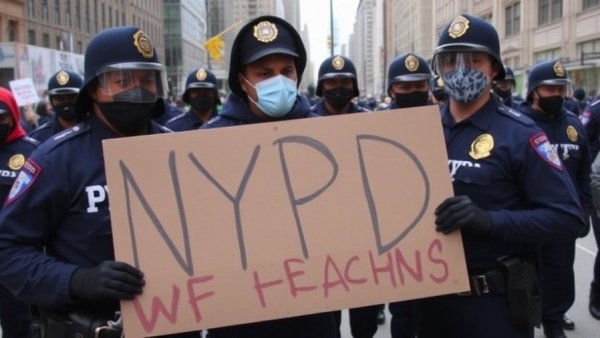
NYPD Protest Unit Disbanded: What This Means for New York's Activism

Update Controversy Surrounding the NYPD Protest Unit The recent decision to disband the NYPD's protest unit comes after escalating demands for police reform and more responsible policing practices in New York City. The unit, accused of excessive force during peaceful demonstrations, faced intense scrutiny amid growing civic unrest. Advocates for reform argue that the presence of such a unit undermines the rights to free assembly and expression, particularly in a city with a vibrant history of activism. Demonstrators supporting social justice and civil rights have voiced their concerns, pointing to instances where excessive law enforcement measures resulted in injuries, arrest, and alienation from these voices striving for change. The Role of Political Pressure Political leaders, including Mayor Eric Adams and City Council members, have voiced their concerns regarding the consequences of aggressive policing at protests. Recently, Mamdani's decision to dissolve the unit aligns with a broader response to calls for change following incidents where demonstrators faced disproportionate responses from law enforcement. This situation highlights the balance political leaders must strike between maintaining public safety and protecting citizens' constitutional rights. As the conversation grows, many leaders now recognize that a shift is necessary to bolster community trust in law enforcement and ensure equitable treatment for all citizens, particularly marginalized communities. The Implications for Future Protests This move could signal a transformative period for how protests are policed in New York City. Instead of the aggressive tactics employed in the past, there could now be a shift towards mediation and community engagement during demonstrations. For instance, training officers in de-escalation techniques may foster a more productive environment during protests. Such changes may lead to a more collaborative approach, fostering an environment where citizens feel safer expressing dissent without fear of retribution. Increased investment in community engagement initiatives can also pave the way for building bridges between law enforcement and community members, which could enhance dialogue and understanding. Historical Context of Policing Protests The history of policing protests in the United States is fraught with tension. From the civil rights movements of the 1960s to contemporary movements such as Black Lives Matter, each era sheds light on ongoing struggles with police tactics. The disbanding of the NYPD protest unit adds to an ongoing national discussion about systemic reforms within law enforcement agencies. Understanding how historical patterns of protest policing have influenced today's climate is crucial to grasping the implications of this recent decision. Past events, such as the Stonewall riots or the 1999 protests against the WTO, underscore the need for law enforcement to adapt and respond with sensitivity to public sentiment and civil rights advocacy. Counterarguments: Critics of the Decision While many celebrate the disbanding of the protest unit, critics warn of potential dangers. Some argue that without a specialized unit, managing large crowds during protests might become more challenging, possibly leading to unrest. They raise concerns that the absence of a focused response could escalate conflicts at future demonstrations. Furthermore, critics emphasize that some level of policing is crucial to prevent violence and maintain order during events that may otherwise become chaotic. This debate underscores the complexities involved in police reform, where every action can evoke varied reactions from different portions of the community. Protests often draw individuals from diverse backgrounds, each with unique perspectives on what safety and security mean. Thus, the challenge remains to find a balanced approach that meets the varied expectations of the public while upholding constitutional rights. The Broader Landscape of Police Reform Mamdani's action reflects a growing trend across various cities in America, where reforms are being instituted in response to public demand for change. Other municipalities have taken steps to dismantle units perceived as overly aggressive, responding to public outcry for change. These movements are crucial in shaping the future of policing and establishing practices that respect both public order and individual rights. Communities nationwide are watching closely as they consider their own approaches to police reform and community engagement. The disbanding of these units often catalyzes discussions that lead to further scrutiny of police budgets and resource allocations, indicating a shift toward more community-oriented methods of law enforcement. Looking Ahead: What’s Next for New York City? The disbanding of the controversial NYPD protest unit could lead to significant changes in public policy and community-police relations. As this story unfolds, civic leaders and community members must work together to create transparent dialogue about public safety. The evolving landscape may inspire new strategies that support peaceful protest while ensuring the community's safety and dignity. Furthermore, embracing the voices of community advocates in decision-making processes can enhance trust in law enforcement while promoting a stronger sense of accountability. The call for responsible policing in New York City is part of a larger national dialogue. Understanding the layered dynamics of such decisions is essential for navigating the future pathways of protest and policing. As community needs evolve, so too must the strategies that law enforcement employ to address them. By fostering an environment of collaboration and restorative practices, New York City could stand as a model for other cities grappling with similar issues in the realm of public safety and civil liberties.

cropper
update
Pennsylvania Daily Life
cropper
update

Discover the essence of Pennsylvania living through our carefully reporter written stories, local guides, and community updates. Pennsylvania Daily Life celebrates our state's unique culture, connecting readers with the people, places, and experiences that make PA extraordinary.

  • update
  • update
  • update
  • update
  • update
  • update
  • update

COMPANY

  • Privacy Policy
  • Terms of Use
  • Advertise
  • Contact Us
  • Menu 5
  • Menu 6

724-698-2464

AVAILABLE FROM 8AM - 5PM

Manor, PA

61 Main Street Manor, PA

ABOUT US

Pennsylvania Daily Life is your trusted source for local stories, community news, and everyday happenings across the Keystone State. We celebrate the diverse culture, rich traditions, and vibrant communities that make Pennsylvania special, bringing you the stories that matter most to our fellow Pennsylvanians.

© 2026 CompanyName All Rights Reserved. Address . Contact Us . Terms of Service . Privacy Policy

Terms of Service

Privacy Policy

Core Modal Title

Sorry, no results found

You Might Find These Articles Interesting

T
Please Check Your Email
We Will Be Following Up Shortly
*
*
*