


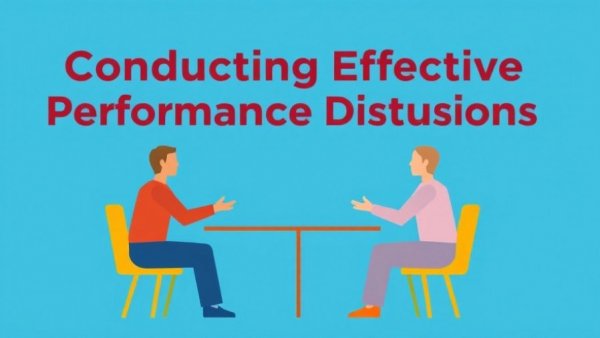
Creating an Engaging Environment for Performance Discussions
Performance discussions are a vital component of effective management. They go beyond mere evaluations; they serve as a platform for growth and collaboration. To unlock their potential, businesses must foster a welcoming atmosphere. Begin with a warm introduction, allowing both parties to feel at ease. A positive environment not only reduces anxiety but also promotes open dialogue, encouraging employees to share their thoughts and feedback without apprehension. This open connection is crucial in motivating employees to embrace feedback and set mutual goals. Consider offering a small token of appreciation, such as a coffee or snack, to create a relaxed setting that helps break the ice.
Objective Evaluations Fuel Future Success
Utilizing accurate data to evaluate performance ensures the discussion is grounded in factual evidence, avoiding subjective assessments. Collect data from various sources, including quantitative performance metrics and qualitative feedback from peers or supervisors. This comprehensive assessment leads to a more balanced viewpoint, highlighting a mix of achievements and areas for development. When employees see their contributions recognized through concrete data, it significantly enhances their morale and willingness to engage in future discussions. The integration of quantitative metrics provides clarity and objectivity, reducing potential biases during the evaluation process. Furthermore, presenting data visually, like through charts or graphs, can make it more digestible and impactful for the employee.
Implementing the SMART Goals Framework
Setting objectives using the SMART (Specific, Measurable, Achievable, Relevant, Time-bound) framework during performance discussions can revolutionize how business owners approach employee development. This structured methodology clarifies expectations, ensuring both the manager and employee are aligned. For instance, instead of a vague goal like "improve sales," a SMART goal would be "increase sales by 15% over the next quarter through targeted marketing efforts." Sharing these goals beforehand gives employees the chance to reflect and come prepared, turning performance reviews into opportunities for professional growth. By aligning these goals with the broader aims of the organization, both parties can see how individual efforts contribute to overall business success.
Building a Culture of Recognition
An essential aspect of performance discussions is acknowledging achievements. Recognition fuels motivation and commitment. When managers celebrate successes, they not only affirm individual contributions but also cultivate a positive work environment. According to research, employees are more likely to engage in their roles when they feel valued. Thus, taking time during discussions to highlight specific wins fosters an atmosphere of encouragement. It empowers employees, making them more likely to take ownership of their performance and seek continuous improvement. Establishing a routine of recognition—whether through public praise at team meetings or private commendation—can further reinforce this culture and encourage a more enthusiastic attitude towards performance discussions.
Encouraging Dialogue for Enhanced Engagement
Two-way communication is key to effective performance discussions. To ensure employees feel involved, managers should invite them to share their perspectives during the dialogue. Open-ended questions, such as "What challenges did you face this quarter?" or "What support can I provide?" facilitate meaningful exchanges that encourage employees to think critically about their performance. This collaborative environment fosters not just engagement but also accountability as employees begin to take active roles in their evaluations and goal settings. Encourage employees to articulate their career aspirations as well, which can help tailor development and learning opportunities to their future ambitions.
Follow-up: The Key to Sustained Growth
The discussion shouldn't end with a single meeting; regular follow-ups are crucial for reinforcing commitments and tracking progress. Schedule check-ins to revisit goals and assess ongoing performance. These sessions should focus on celebrating progress made and recalibrating if necessary. By committing to periodic performance evaluations, managers can ensure that both parties remain aligned on expectations, fostering a culture of continuous improvement. Additionally, implementing an open-door policy can allow employees to approach management with challenges or ideas in between formal discussions, further solidifying the culture of accountability and support.
Why Performative Conversations are Imperative for Business Growth
Performance discussions are not merely an HR formality; they are integral to connecting individual employee contributions with overarching business objectives. According to studies, 70% of professional development comes from real work experiences, meaning that these discussions are essential for employee growth. They serve as a constructive means for fostering accountability which, in turn, leads to improved overall team effectiveness. Furthermore, effective discussions provide the groundwork for documenting criteria for promotions and compensation, ensuring fairness in the workplace. By embedding these discussions into the organizational culture, business owners can motivate their teams to strive for excellence consistently.
Conclusion: Take Action Today
Ultimately, the effectiveness of performance discussions hinges on preparation, dialogue, and follow-up. As a small business owner or entrepreneur, these conversations can significantly impact employee morale and organizational growth. Start implementing these practices today to enhance communication and ensure your team is on track to meet both individual and organizational goals. Remember, performance discussions are an opportunity, not a chore. The more invested and structured these discussions are, the more meaningful they will become, ultimately driving your team toward achieving greater successes.




Write A Comment