
Add Row
Add Element
Pennsylvania Daily LIfe
update
Mike Sweeney
update
Add Element
  • Home
  • Categories
    • Wellness
    • Travel
    • Lifestyle
    • News
    • Health
    • Pennsylvania News
    • Financial
    • Home Living
    • Featured
July 03.2025
3 Minutes Read

Unlock the Benefits of Eating More Watermelon This Summer

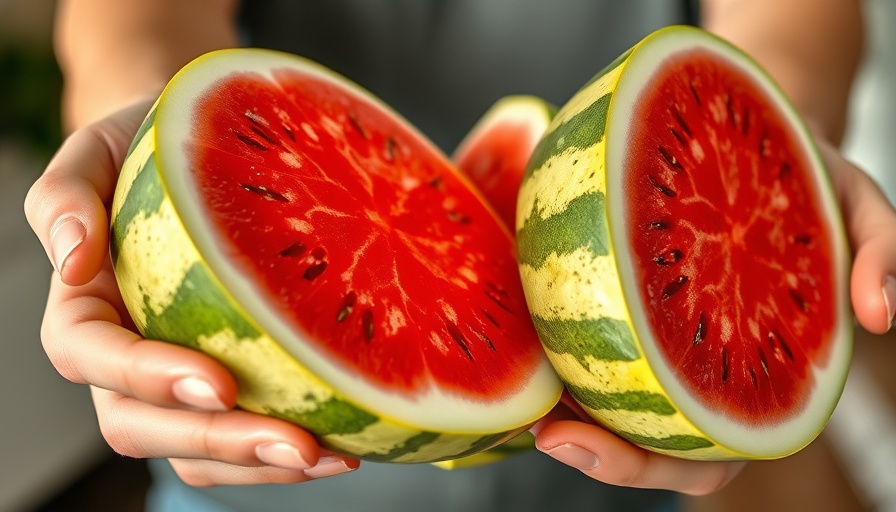
Fresh watermelon slices in summer sunlight, showcasing benefits of eating watermelon in summer.

Why Watermelon is a Summer Superfood

Watermelon isn't just a juicy treat on a hot day; it's a superfood packed with nutrients that can elevate your health this summer. As temperatures rise, this refreshing fruit finds its way into picnics, barbecues, and family gatherings, making it a quintessential summer staple. Through its vibrant color and invigorating taste, watermelon contributes not only to hydration but also offers numerous health benefits that nutritionists are urging everyone to take advantage of.

Hydration Powerhouse: Keeping You Cool and Refreshed

With 92% water, watermelon is the ultimate hydrating fruit. During the summer months, staying hydrated is crucial, especially in hotter climates. Proper hydration supports overall body functions, from maintaining energy levels to enhancing mood and mental clarity. Nutritionists emphasize that opting for fruits like watermelon can significantly help in this regard. Whether in slices, salads, or smoothies, this fruit offers an enjoyable way to quench your thirst.

A Low-Calorie Treat That's Easy to Enjoy

One of the biggest advantages of watermelon is its low-calorie content. With only about 30 calories per 100 grams, it’s a guilt-free snack that satisfies your sweet cravings without compromising your diet. Nutritionists often recommend it as a healthier alternative to sugary snacks, proving that indulgence doesn't need to come with a hefty caloric price tag.

A Natural Source of Antioxidants

Watermelon is rich in antioxidants like lycopene, which not only contributes to its red hue but is also linked to several health benefits. Studies suggest that lycopene may help reduce the risk of certain cancers and promote heart health. This makes watermelon not just a treat for your taste buds but a powerful ally in maintaining your overall health. Including watermelon in your diet could be a delicious way to boost your intake of essential nutrients.

Muscle Recovery Made Easy

For those who are active during the summer months, watermelon can play a vital role in muscle recovery. The amino acid L-citrulline found in watermelon helps reduce muscle soreness and improve recovery time after exercise. Nutritionists highlight this benefit for athletes or anyone engaged in outdoor activities, advocating watermelon as a perfect post-workout snack that replenishes lost fluids while aiding in recovery.

Heart Health Hero: Why Your Heart Will Thank You

The benefits of watermelon extend far beyond hydration and flavor. Its content of citrulline and lycopene is linked to cardiovascular health. By keeping blood vessels relaxed, citrulline can enhance blood flow, alleviating strain on the heart. This is particularly noteworthy when considering the increased heart disease rates. Therefore, making watermelon a part of your summer diet can be an enjoyable step toward maintaining heart health.

Deliciously Versatile: Ways to Enjoy Watermelon

From fruit salads to refreshing smoothies, the versatility of watermelon allows for endless culinary creativity. Mixing it with other summer fruits can enhance flavor and nutrition. For instance, pairing watermelon with mint or feta cheese creates unique flavor profiles that are as delightful on the palate as they are easy to prepare. Moreover, you can grill watermelon slices to add a smoky touch to your barbecues, demonstrating just how adaptable this fruit can be.

Conclusion: Make Watermelon Your Go-To Summer Fruit

This summer, let watermelon be your fruit of choice. With its numerous benefits from hydration to heart health, incorporating more watermelon into your diet is a no-brainer. The ease of preparing and enjoying this fruit makes it accessible for everyone, making it possible for all to embrace a healthier lifestyle this season.

So, next time you’re out enjoying the sun, don't forget to grab some watermelon for a sweet and nutritious way to cool down. Embrace the summer and nourish your body with this delightful fruit!

Health

2 Views

0 Comments

Write A Comment

*
*
Related Posts All Posts
02.24.2026

Nationwide Recall of Frozen Meatballs: Check Your Freezer for Safety

Update USDA Issues Recall on Frozen Meatballs: What You Need to Know If you've stored frozen meatballs in your freezer for a convenient dinner option, it's crucial to check the labels immediately. The U.S. Department of Agriculture (USDA) has issued a nationwide recall for approximately 9,462 pounds of frozen, ready-to-eat meatballs. This action follows reports of metal fragments found in some packages, raising potential health risks for consumers. What Products Are Affected? The recall specifically targets the “Bremer Family Size Italian Style Meatballs” in 32-ounce packages, which were produced on July 30, 2025. Bear in mind the packages have a “Best By” date of October 30, 2026, and feature timestamps ranging from 17:08 to 18:20. The establishment number “EST. 4286B” can be found alongside the USDA inspection mark on the packaging. Risk of Contamination: Why This Matters Though no injuries or illnesses tied to this issue have been reported yet, the presence of foreign materials like metal poses a serious risk. Ingesting such materials could lead to injury, including cuts or damage to the digestive tract. Thus, as a precaution, the USDA strongly advises consumers to refrain from consuming these meatballs. Instead, it's recommended to throw them away or return them to the store where they were purchased. How Did This Happen? A Closer Look The problem was discovered after a consumer complaint prompted the USDA to take action. Pre-packaged foods can sometimes suffer from manufacturing errors that lead to contamination, and this incident highlights the need for vigilance among consumers and manufacturers alike. Regular inspections and consumer reports play critical roles in maintaining food safety standards. Future Implications for Food Safety This recall serves as a reminder of the importance of food safety and recalls. The USDA routinely carries out checks to evaluate the effectiveness of recalls and is working to ensure that products no longer pose a risk to consumers. For consumers, staying informed about recalls can help them avoid hazardous products and encourage better food safety practices. Consumer Actions and Resources For those concerned about having the recalled meatballs, the USDA emphasizes a few steps. First, confirm whether the product in your freezer matches the recall details. If it does, do not consume it. Instead, consider returning it or disposing of it safely. For more information, consumers can contact Rosina Food Products at 1-888-767-4621 or reach out to the USDA Meat and Poultry Hotline at 1-888-MPHotline (1-888-674-6854) for questions about food safety. Staying Informed and Safe Food safety is a collective responsibility, and being proactive about keeping informed can make all the difference. Subscribe to available food safety newsletters, use mobile apps designed for recall alerts, or follow updates from trusted food safety organizations. By being aware of potential dangers, consumers can take control of their meals and maintain their health and safety effectively. In conclusion, as this recall demonstrates, diligence on the consumer's part, collaboration with food producers, and ongoing federal oversight are all instrumental in ensuring our food safety. Stay informed, check your pantry, and always prioritize health in your food choices.

02.23.2026

Energy Drinks and Heart Risks in Kids: What Every Parent Must Know

Update Energy Drinks and Heart Health: A Growing Concern for YouthIn a startling revelation, a recent study published in Cureus has underscored the potential cardiovascular risks posed by energy drinks to children and adolescents. With the prevalence of energy drink consumption among teens sharply increasing—between 30% to 50% of them indulge regularly—health professionals are raising eyebrows over this alarming trend that might bring serious implications for young, developing hearts.Understanding the RisksThe report draws attention to concerning symptoms that doctors have started to notice in their young patients who consume energy drinks. Some troubling symptoms include heart rhythm abnormalities, significant chest pain, and dangerously elevated blood pressure. The concoction of ingredients in these beverages—predominantly stimulants like caffeine and taurine—raises the stakes when it comes to heart health.A Breakdown of the IngredientsKristin Lombardi, MD, a pediatric cardiologist, stresses that many energy drinks contain excessive caffeine, often up to 500 milligrams per can, equivalent to about 14 cans of soda. Such high levels can be hazardous for younger individuals whose bodies react differently compared to adults. Excessive caffeine intake is closely linked with sleep disruptions, increased anxiety, and a heightened heart rate, especially in children who may already have some underlying conditions.Health Implications ObservedWith alarming frequency, young individuals have been reporting emergency conditions tied to energy drink consumption. A review of case studies highlights issues including arrhythmias, chest pain, severe nausea, and even instances of sudden cardiac arrest. The study has also noted raises in both systolic and diastolic blood pressure shortly after consumption. Even more concerning, there are reports of myocardial ischemia among otherwise healthy teenagers—a forewarning sign of reduced blood flow to the heart that should not be taken lightly.Cautionary Measures to ConsiderExperts recommend caution for energy drink consumption, especially among youth with undiagnosed heart problems or behavioral concerns like ADHD. In cases where energy drinks are mixed with alcohol or used as stimulants before exercise, the risks multiply, putting additional strain on the heart and potentially leading to dire health problems.Supporting Healthy ChoicesThe consensus among health specialists, including those at Johns Hopkins Medicine, reinforces that energy drinks convey no significant benefits for children. Instead, they pose substantial risks that outweigh any perceived advantages. Encouraging children to favor healthier beverage alternatives—like water, unsweetened coconut water, or diluted fruit juices—can promote better hydration and overall well-being.Understanding the Path ForwardRaising awareness about these dangers can lead to more informed choices. Parents and guardians are urged to model healthy drinking behaviors, educating their children about the risks associated with energy drinks. Providing healthier alternatives could prevent health issues and encourage more balanced lifestyles.An Urgent Call for AwarenessAs we await comprehensive regulations around energy drink marketing and consumption, it remains crucial that parents engage with their children about their dietary choices. Ensuring that kids steer clear of energy drinks is not just a matter of preference—it's a matter of life and health.

02.23.2026

Why Medicare Choices Matter: Navigating Your Options

Update Understanding Medicare: Your Essential ChoicesAs people start to enter their golden years, the health care choices they face can be overwhelming, especially when it comes to Medicare. The recent video, "Insurance Has No Choice," sheds light on a pressing issue in the healthcare landscape. When it comes to Medicare, many seniors feel that they have limited options. However, understanding how these choices impact your coverage can empower you to make more informed decisions about your health care.In 'Insurance Has No Choice,' we dive into Medicare and the limited perceived options available to seniors, prompting a deeper exploration of how better decisions can be made regarding health coverage. The Importance of Knowing Your Coverage OptionsMedicare presents various options, including Part A, Part B, Part C (Medicare Advantage), and Part D (prescription drug coverage). Each option has its own set of benefits and limitations. Part A, often seen as hospital insurance, usually covers inpatient care, skilled nursing facility care, hospice, and some home health care. Part B covers outpatient care, preventive services, and some medically necessary items. Knowing whether you need full coverage or are eligible for assistance can make a significant difference in both your health management and finances.Feeling Overwhelmed? You're Not AloneMany seniors report feeling confused about their Medicare options due to the sheer volume of information available. This sentiment highlights the need for clarity and support systems. Navigating through the complexities often requires additional resources and support from family, friends, or professionals knowledgeable in the field. Don't hesitate to seek guidance; taking such steps can help alleviate stress and lead to better decision-making.Making Informed Choices: What To ConsiderWhen evaluating your options, consider factors such as your current health status, financial situation, and the specific medical needs you may have. For instance, if you take multiple prescriptions, opting for a plan that includes robust drug coverage may be beneficial. On the other hand, if you have fewer health concerns, a more basic plan might suffice. Understanding these dynamics can open avenues for pursuing the coverage that best fits your unique situation.Beyond Medicare: Additional Insurance OptionsIt’s also essential to remember that Medicare is not the only insurance option available. Supplemental insurance plans, known as Medigap, can cover some health care costs that Medicare may not. Evaluating the cost versus benefit of these supplemental plans is crucial in ensuring you receive holistic care without breaking the bank. With the right supplemental plan, you can potentially avoid steep unexpected costs.Future Trends: The Changing Medicare LandscapeExperts foresee several trends that may affect Medicare and health insurance in the coming years. The rise of telehealth services, accelerated by the COVID-19 pandemic, has made healthcare more accessible and flexible. There’s potential for Medicare to expand its coverage options to include such services, enabling seniors to consult with healthcare professionals without the hassle of commuting. Staying informed about these potential changes could significantly impact how you seek care in the future.Counterarguments: Considering All PerspectivesWhile the options available through Medicare provide essential coverage for many, some argue that the current system still leaves gaps. These gaps can lead to high out-of-pocket expenses, making healthcare less accessible for vulnerable populations. By discussing these counterarguments, we can begin to understand the systemic issues at play and push for necessary reforms.Next Steps: Take Action with Your Medicare ChoicesUltimately, engaging with your Medicare options is about advocating for your health and well-being. If you feel uncertain about your choices, reach out to a Medicare representative, talk to peers, or consult trusted online resources. Knowledge is power, particularly when it comes to your health.Conclusion: The Importance of ChoiceWhile the video "Insurance Has No Choice" emphasizes the limitations within the healthcare sector, it serves as a reminder that your health choices are ultimately in your hands. Taking the time to understand Medicare and considering all your options could lead to better health outcomes in the long run. Remember, it’s never too late to take charge of your health!

Terms of Service

Privacy Policy

Core Modal Title

Sorry, no results found

You Might Find These Articles Interesting

T
Please Check Your Email
We Will Be Following Up Shortly
*
*
*