


Trump's Golf Course Plan Halted: A Legal Setback
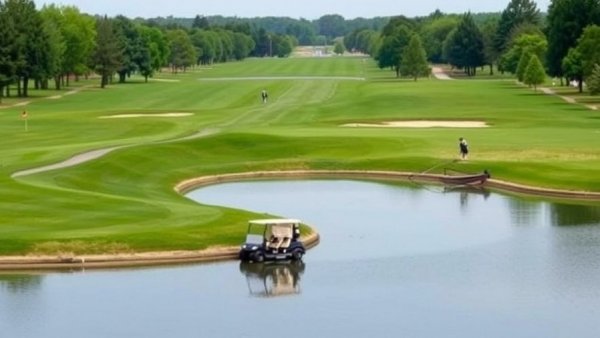
In a significant ruling that has reverberated across Washington, a federal judge has halted the Trump Administration's plan to close a public golf course in D.C., which officials aimed to transform into a championship-level facility. Initially slated for closure starting this past Sunday, the decision signifies a critical moment in the intersection of politics, sports, and public access to recreational areas. The case exemplifies the tension between government initiatives and the desires of local communities, emphasizing the historical importance of public spaces.
Understanding the Community Reaction
The reaction from the community has been mixed, with a substantial portion of local residents voicing strong concerns over the golf course's potential closure. Many believe such a move would serve as a blow to public space and accessibility. Advocates for public access champion the course as an essential recreational spot amidst the urban landscape of the capital. "This course provides a valuable recreational service to countless residents and visitors," one resident said. "Transforming it into an exclusive venue risks alienating the community from their own public grounds." These sentiments have sparked larger discussions about the importance of public spaces in urban areas, revealing deeper truths about access, community, and the evolving identity of Washington, D.C.
Additionally, the course has long been a beloved fixture for families, golfers of all skill levels, and a sanctuary for those seeking a peaceful retreat from the hustle and bustle of city life. Many residents argue that transforming such public lands into exclusive properties is contrary to the very ideals of what a city should offer its inhabitants—spaces for recreation, leisure, and community bonding. Beyond golf, the course supports a diverse array of wildlife and offers a unique ecological space that many urban residents cherish.
Political Implications of the Judge's Decision
This ruling comes at a time when the political landscape in Washington is already fraught with division. Critics of the Trump Administration argue that its push for luxury developments in public areas signifies a broader trend of privatization that encroaches on public resources. Legal experts note that this ruling not only impacts the golf course but could set a precedent for future public land use and urban development conflicts. With ongoing debates surrounding federal policies and urban spaces, this case highlights how legal frameworks often reflect larger social dynamics.
Moreover, the case taps into a nationwide discourse about community rights versus private interests, a dialogue that has intensified across various cities in recent years. Many observers are closely monitoring how this case unfolds, as it could offer insight into the future of shared community resources and public lands. This situation underscores the necessity for community engagement in local governance, as the repercussions of such decisions extend beyond one golf course—they affect the public's ability to access open and communal spaces.
Historical Context: The Role of Public Spaces in Urban Settings
Public golf courses have a storied history in Washington, D.C., serving not just as recreational spots but also venues for community gathering and social interaction. Historical accounts show how golf courses transcended their sporting function to become centers for social discourse and community building. For decades, these spaces have allowed for informal gatherings, family picnics, and organized events, solidifying their role as essential components of urban life.
Amidst this backdrop, the current legal battle over the D.C. golf course becomes emblematic of a larger fight for the future of public spaces amid rising urbanization and commercial interests. The city's unique blend of history, culture, and community interaction is what attracts both residents and tourists alike, making its preservation even more critical. As cities grapple with the challenge of balancing development and green space, the outcome of this case may serve as a wake-up call regarding the significance of preserving public access to these amenities.
Future Predictions: What Lies Ahead for the Golf Course?
With the legal framework now favoring the preservation of the public golf course, it seems likely that the closures will face further litigation and potential appeals. Analysts predict that as this case unfolds, it may catalyze broader discussions about urban public land usage and recreation rights across the nation. Local advocacy groups are already mobilizing to ensure that this victory stands, suggesting a future where public spaces are prioritized to serve the community over profit.
As pressure mounts on local governments to reassess their urban development strategies, the D.C. golf course may spark a renewed focus on the critical need for adequate public recreational areas. Communities are encouraged to band together, with various stakeholders looking to propose legislation to protect public land from similar privatization efforts. Such coalition-building may become essential for ensuring future generations can enjoy comparable access to open space, sports, and community engagement.
Actionable Insights: How Citizens Can Engage
For those interested in preserving public access to recreational spaces like the D.C. golf course, now is the time to become involved. Citizens can attend town hall meetings, engage with local advocacy groups, or even participate in discussions about urban planning initiatives. By understanding not just the legal aspects but the community impact, individuals can play a crucial role in shaping the narrative around public spaces in their cities.
Moreover, locals can leverage social media platforms to raise awareness, organize petitions, and advocate for community-friendly policies. It is vital for citizens to stay informed about ongoing developments related to the case and actively participate in discussions regarding land use and access rights in their neighborhoods. Empowering oneself with knowledge will lead to more fruitful conversations about public space and enhance the collective voice advocating for accessible recreational areas.
Conclusive Thoughts on the Matter
This ruling is more than a legal triumph for advocates of public access; it symbolizes a broader conversation about community rights, urban space, and the role of government in facilitating or limiting public interaction with these areas. The D.C. golf course is now a focal point of this dialogue as it grapples with the tension between access and exclusivity. As these discussions continue to evolve, engaging with your community and participating in the discourse surrounding public land will become increasingly essential. The outcome of this case could shape the future of public spaces not just in Washington, D.C., but in urban centers across the country.





Write A Comment