

Pennsylvania Daily LIfe
update
Mike Sweeney
update
  • Home
  • Categories
    • Wellness
    • Travel
    • Lifestyle
    • News
    • Health
    • Pennsylvania News
    • Financial
    • Home Living
    • Featured
November 13.2026
4 Minutes Read

The Impact of Medicaid Work Rules on Native American Health Coverage

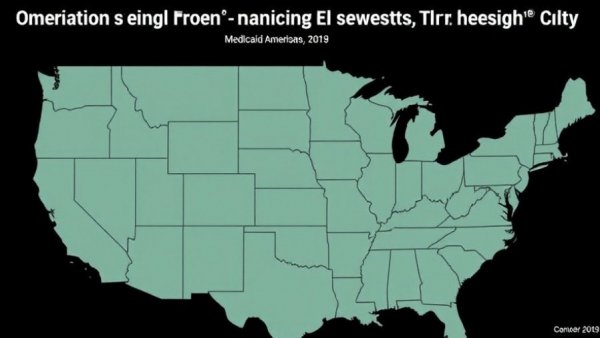
Medicaid Work Rules Don’t Apply to Native Americans. They Could Still Lose Coverage.

Understanding Medicaid Work Rules: A Critical Issue for Native Americans

As the deadline approaches for new Medicaid work requirements, the situation for Native Americans has become increasingly complicated. Native American citizens, like those from the Eastern Band of Cherokee Indians, are rightfully concerned that their healthcare coverage could be jeopardized due to inconsistent application of these requirements across states. The stakes are particularly high as many of these individuals rely heavily on Medicaid for their healthcare needs, which often include critical services that can mean the difference between health and sickness.

Federal guidelines, established under President Trump's One Big Beautiful Bill Act, allow Native Americans to bypass work requirements intended for maintaining Medicaid eligibility. This measure was designed to lessen the burdens on Native populations, who historically face higher rates of poverty and unemployment. However, the Centers for Medicare & Medicaid Services (CMS) has not clarified how this exemption will be applied, leaving many tribal members vulnerable and exposed to potential lapses in coverage.

Challenges of Navigating Healthcare Coverage

The lack of standardized procedures has led to a patchwork of eligibility checks. In previous instances—like the Medicaid “unwinding” of 2023—an estimated 850,000 Native Americans lost their Medicaid coverage, often due to bureaucratic issues rather than changes in their economic situations. During that period, many individuals received notices of ineligibility that they couldn’t realistically address, particularly in remote areas with limited access to administrative resources. The current oversight raises questions among Native leaders, such as James Burns, who oversees the Cherokee’s Medicaid program, about the possibility of repeating past failures. He recalls the widespread confusion and turmoil that followed the unwinding, and fears a repeat of those painful experiences is on the horizon.

“We are extremely anxious about the implications of these new requirements,” Burns mentioned, highlighting fears of unintended consequences that threaten healthcare access—particularly when states establish their own processes for verifying Native American status. Those additional hurdles can inadvertently create barriers that make it even harder for eligible individuals to retain their coverage—pushing people into precarious health situations.

Proposed Solutions by Native Leaders

The need for clearer guidance is urgent. A tribal advisory group has suggested that CMS implement a self-attestation system for Native Americans, allowing them to validate their eligibility without excessive documentation requirements. This proposal is especially crucial for those living in isolated areas where accessing the necessary paperwork can prove challenging or impossible. Additionally, ensuring states share Medicaid eligibility data with tribal health programs could significantly reduce the chances of wrongful cancellations by keeping tribal authorities informed and involved in the process.

A.C. Locklear, CEO of the National Indian Health Board, emphasized that when states operate autonomously, it’s both confusing and potentially harmful to tribal citizens' health outcomes. “If CMS delays its guidance until December, states will have already locked in their procedures, potentially alienating many Native Americans from coverage,” he stated, illustrating the precarious position many tribes find themselves in as they navigate this complex situation. The absence of standardized frameworks directly impacts family health and wellbeing in these communities, emphasizing the need for urgency.

The Broader Implications on Family and Community Health

Health access is inherently tied to community stability and economic empowerment. For families relying on Medicaid, any disruption in coverage could lead to severe health repercussions. This is particularly evident in Native American populations who already face higher barriers to healthcare access—further compounding issues like childhood obesity and mental health concerns, both of which are exacerbated by unstable healthcare provisions. Such instability can lead to more dire outcomes, including the progression of chronic conditions that could otherwise be managed through regular healthcare access.

Engagement in preventive care is crucial for maintaining a healthy lifestyle and living longer. The significance of consistent healthcare cannot be overstated, especially for families with young children or aging parents. Parents and elders alike understand that healthy children contribute to healthier families, which in turn leads to robust, thriving communities. This cyclical relationship underscores the urgent need for Medicaid stability. When families lose access to healthcare, it doesn’t just affect individuals; it ripples throughout the entire community.

Looking Ahead: The Need for Action

Advocacy groups and Native leaders are calling for immediate action from CMS to address these pressing issues and ensure that the necessary adjustments to Medicaid work rules are comprehensive and equitable. Without immediate attention, countless families could lose coverage, risking their health and financial wellbeing. During times of economic uncertainty, reliable access to Medicaid becomes even more crucial as working families navigate job changes or other emergencies.

For those who care about senior health, family health, and children's wellbeing in Native communities, now is the time to take action. By advocating for clearer guidelines and supporting tribal health initiatives, we not only help safeguard the healthcare of our Native Americans but also champion healthy living and community resilience. It’s not just a policy issue; it’s a matter of fostering environments in which families can thrive.

Call to Action: Get Involved and Make a Difference

If you’re concerned about the impending changes to Medicaid work rules and their impact on Native communities, consider reaching out to local representatives or healthcare advocates who are knowledgeable about these issues. Your voice matters—whether you're a senior, a parent, or a business owner. Making your perspective known can drive significant change. Together, we can work towards ensuring that every citizen, regardless of their background, has the healthcare access they deserve, and that our collective future remains bright and healthy.

Health

1 Views

0 Comments

Write A Comment

*
*
Please complete the captcha to submit your comment.
Related Posts All Posts
11.14.2026

North Dakota Takes Action to Cap Insulin Costs: A Game Changer for Families

Update How North Dakota's New Law Keeps Insulin AffordableIn a historic move, North Dakota has joined a growing number of states determining that the affordability of essential medications, particularly insulin, warrants immediate legislative action. The law capping insulin copays to $25 a month arose from mounting concerns over the rising costs of diabetes management. This step has drawn bipartisan support, as recent stories of families struggling to afford critical medication have incited lawmakers to re-evaluate how healthcare systems serve patients. This law not only reflects the urgent need for affordable healthcare solutions but also illustrates how legislation can respond to real-life struggles faced by families from all walks of life.Rising Costs: A Burden on FamiliesFamilies like the Kritzbergers, who tend to their farm and manage serious health conditions like Type 1 diabetes, often find themselves in a precarious situation. Beyond the emotional toll of managing a chronic illness, financial distress is an all-too-common burden. With out-of-pocket expenses often exceeding $8,000 annually for diabetes management, families must constantly juggle their financial realities with their health needs. The financial strain can be overwhelming, particularly in a rural community where earnings can fluctuate dramatically based on weather conditions, crop yield, and market prices.This anxiety escalates as insulin costs can hit families hard, leading to a life-threatening decision to ration medication. The Kritzbergers' experience reflects a much larger trend that affects millions of Americans who rely on insulin as a lifeline. These families often have to make agonizing choices between paying for necessary medication or covering other essential expenses such as housing, utilities, and food.The Broad Consensus on Capping CostsWhat’s striking about North Dakota's legislative victory is the rare bipartisan agreement it showcases. Usually, healthcare reforms can divide political parties sharply. However, North Dakota's action reflects a broad consensus from both sides of the aisle, recognizing that the system does not adequately protect patients who rely on costly medications to avoid severe health complications. State Sen. Sean Cleary, a Republican, encapsulated this shift perfectly, arguing the market isn't working effectively and that intervention is necessary.This cooperative spirit marks a significant change in how healthcare policy is approached, suggesting a collective recognition of the moral imperative to protect vulnerable patients. Both Democrats and Republicans are uniting over the need to prioritize human health over profit margins, which is a remarkable shift in the political narrative around healthcare legislation.Real-life Impact: A Family's StoryNina Kritzberger, diagnosed with Type 1 diabetes at age 7, has personally felt the squeeze of rising healthcare costs. Now 17, she carries a list of necessities essential for her health—insulin, a spare pump, and monitoring devices like the Dexcom. Before the law, potential interruptions in insulin supply could be life-threatening. “I have to make sure I have insulin, a spare pump, a spare Dexcom,” Nina explained, detailing the essential items she always has on hand. “Oh, what if my pump doesn’t work, or my Dexcom? Then I have to bring a testing kit. What if I go low? I need Gatorade, glucose.”With this new law, families like Nina's can breathe a little easier, knowing they won’t face financial ruin just to afford life-sustaining medication. The legislation not only brings peace of mind but can also encourage young patients to focus on their health and manage their diabetes more effectively rather than worrying about the financial implications of each dose or device. For families of children like Nina, this law truly represents a significant relief and a step towards more comprehensive healthcare solutions.National Implications: More States Follow SuitNorth Dakota’s capping law comes amidst a national wave of similar reforms. Other states are observing North Dakota's model as they explore their legislative options. As stories of hardship and crisis spread among communities, the urgency for legislative action grows. This builds a foundation for eventual broader reforms in the national healthcare landscape, which may push big pharmaceutical companies to reconsider pricing structures for essential medications.As more states enact similar measures, a ripple effect is generated across the U.S. This movement reflects a mounting awareness that healthcare is not just a privilege for the few but a fundamental right that must be accessible to all, especially those grappling with conditions like diabetes. The continued advocacy for insulin price caps could eventually help craft a national policy that ensures no one faces the grim choice of rationing their medicines due to cost.Looking Ahead: The Future of Medication CostsThe implications of the North Dakota law stretch far beyond state lines. There is an increasing demand for similar legislation across the United States as the public continues to advocate for affordable health solutions. Grassroots organizations, healthcare advocates, and concerned citizens are rallying together to push for reforms that ensure no one is priced out of lifesaving medication. With multiple states enacting similar measures, there is reason to be hopeful that widespread change will come within the healthcare system. This momentum reflects a growing awareness and urgency around healthcare access and affordability.Take Action: Why Healthcare Advocacy MattersAs we witness this critical juncture in healthcare policy, it’s vital for individuals and families to support advocacy for health laws that prioritize patient welfare and make medications like insulin affordable. Engaging with local health policymakers, sharing personal experiences, and standing in solidarity with advocacy groups are essential steps in this movement. By demanding action, we can work towards health solutions that are truly accessible and equitable for everyone.Moreover, it's essential for community members, especially seniors, business owners, parents, and homeowners, to stay informed about healthcare policies affecting their communities. Advocacy does not stop at legislation; it continues with education and empowering others to navigate the healthcare system. Together, we can build a future where health isn't dictated by one's income or where they live, fostering a society where everyone has the chance to thrive regardless of their circumstances.

11.13.2026

Managing Opioid Cash: Are Local Leaders the Right Choice?

Update The Ongoing Challenge of Opioid Settlement Spending The opioid crisis has profoundly affected the fabric of countless communities across the United States. With an estimated $60 billion in settlement funds available over approximately two decades, local governments are tasked with managing these crucial resources. However, recent revelations have sparked controversy over how some of this money is being utilized. The spending of these funds highlights the need for vigilance and accountability in local governance. Local Control: A Double-Edged Sword Many officials argue that local leaders have a unique understanding of their community’s needs, which legitimizes their control over opioid settlement funds. However, examples of questionable spending—like $150,000 allocated for street lighting in Camden, New Jersey, or $130,000 for surveillance cameras in Carmel, Indiana—prompt questions about whether these leaders are effectively addressing the opioid epidemic. Critics argue that funding should focus on addiction services and recovery initiatives rather than general municipal needs. This controversy illustrates a troubling disconnect between the intended use of the settlement money and the real-world challenges communities face regarding addiction. The Case for Community Involvement As taxpayer dollars, many believe these funds should be managed by those most affected by addiction—individuals in recovery, families, and community advocates. Elizabeth Burke Beaty, an advocate for recovery, emphasizes that these individuals can identify the specific gaps in their local systems. She argues that “the whole opioid settlement should be run by the people who’ve lost everything,” highlighting an essential principle of inclusive decision-making. This perspective underscores the importance of engaging diverse voices in decisions that will shape community health initiatives. Dubious Expenditures: A Concern for Recovery Advocates A recent investigation unveiled various reports indicating that the spending of opioid settlement funds is not consistently aligned with their intended purpose. Recovery advocates and health researchers argue that these funds should be dedicated solely to addressing addiction's root problems—such as treatment infrastructure, outreach programs, and recovery housing. Unconventional purchases, such as $36,200 for a pickleball court in Gilmer County, West Virginia, reflect a failure in adhering to the spirit of the settlement. Such expenditures raise significant concerns not only about fiscal responsibility but also about the effectiveness of the interventions meant to mitigate the ongoing crisis. Tracking the Flow of Opioid Cash A comprehensive analysis by KFF Health News, conducted in partnership with the Johns Hopkins Bloomberg School of Public Health, has brought to light concerns over a lack of transparency in how opioid settlement funds are spent at the county and city levels. This investigation compiled over 17,500 entries, revealing a troubling mix of beneficial and dubious purchases that underscore the urgent need for clearer guidelines and accountability. The complexity of monitoring such expenditures further complicates the landscape, often leaving the community in the dark regarding the effectiveness of their local governments’ fiscal choices. A Call for Systematic Oversight To ensure that opioid settlements effectively combat addiction, advocates demand better oversight and accountability in spending practices. Strengthening the governance of these funds could involve the establishment of independent oversight committees comprising addiction specialists, advocates, and community leaders. These would not only help guide expenditure decisions but also serve as a vital link between communities and the authorities overseeing the funds. By doing so, communities can guarantee that these critical funds support meaningful recovery efforts rather than being diverted to general expenditures, ultimately fostering a more responsive and accountable system. Engagement from Local Communities: A Necessity Local voices matter. Community members have vital insights into the pressing challenges each neighborhood faces. Encouraging a culture of transparency and community engagement around how opioid settlement funds are spent is crucial. Collaborative community meetings can serve as platforms for discussions on funding allocations, allowing residents to voice their concerns and suggestions. This not only empowers individuals but also helps to build a framework of trust between local governments and constituents. Future Directions in Opioid Settlement Spending As we look ahead, it’s clear that the path forward must consider both community consultation and robust oversight to ensure effective usage of settlement funds. Communities across the nation need resources directed toward comprehensive addiction treatment and recovery services that can support individuals in rebuilding their lives. The successful allocation of these funds could serve as a model for addressing other public health issues in the future. It is vital for every resident, regardless of their background, to comprehend the implications of these investments in their community’s health and future. What Citizens Can Do Citizens affected by the opioid crisis, or anyone interested in the allocation of these funds, should engage with local representatives to foster discussions regarding oversight and spending practices. Joining advocacy groups, participating in community meetings, or simply informing others about the challenges surrounding opioid settlement funds can empower residents to take part in shaping a community dedicated to recovery. Awareness is the first step toward action—transforming the conversation around opioid crisis management from one of passive observation to proactive engagement. Given the serious implications of how opioid settlement funds are spent, understanding and advocating for responsible management can lead to more resilient communities capable of addressing addiction. We encourage you to stay informed and get involved—a healthier community starts with collective action. Your voice can make a difference in ensuring that the allocated funds genuinely support those in need, ultimately leading to a brighter, healthier future for everyone.

11.10.2026

Nebraska's New Medicaid Work Requirements: A Barrier for Seniors and Families

Update Understanding the New Medicaid Work Requirements The recent implementation of work requirements for Medicaid recipients in Nebraska has raised critical questions about health coverage accessibility, particularly for vulnerable populations. As of May 1, 2026, Nebraska became the first state to enforce these changes under the provisions of the One Big Beautiful Bill Act. The state’s decision has significantly impacted individuals like Eli McCreary, a 64-year-old cancer patient, who has found himself navigating a health crisis amidst bureaucratic hurdles. The Human Cost of Policy Changes Eli McCreary’s experience underscores the human cost behind policy shifts that affect thousands of senior citizens and those with chronic illnesses. Diagnosed with kidney cancer, McCreary discovered he had lost Medicaid coverage not due to his health status but because he was unable to fulfill the newly imposed work requirement of 80 hours per month. "What job am I going to get?” he poignantly asked, illustrating his struggle. Such stories of distress are echoed across Nebraska, where approximately 70,000 adult Medicaid recipients are suddenly faced with stringent work-related qualifications at a time when their health should take precedence. Implications for Senior and Family Health This situation highlights significant concerns regarding senior health and family health, especially when living longer is often paired with increasing health needs. Seniors, who make up a considerable portion of Medicaid beneficiaries, are particularly disadvantaged by these new rules. Concerns arise as essential medical treatments could be delayed or avoided entirely, risking their health and well-being. The personal accounts from patients affected by these rules are not only concerning but also showcase a larger trend in the politicization of healthcare—a trend that does not seem to prioritize vulnerable members of society. Crisis Point: Advocacy and Action Needed Health clinics and advocacy organizations have expressed their frustrations regarding the hasty implementation of these requirements. Reports of inadequate staff training and broad confusion among recipients signal a need for better oversight and compassion in policy execution. Advocates are mounting pressure on lawmakers to revisit the rollout and reevaluate its implications for those it aims to serve. It's essential for families, particularly those with seniors or young children, to raise awareness about how these health policies could impact their loved ones moving forward. Challenges Faced by Nebraskans Patients like McCreary represent a broader crisis that many Nebraskans face in light of these sudden changes. Many individuals struggling with their health now find themselves navigating a complex system that not only impacts their physical well-being but also places undue psychological stress on them and their families. For those with chronic conditions or disabilities, the work requirement may be nearly impossible to fulfill, meaning access to necessary care is compromised. Future Implications: Trends and Predictions As we look ahead, the outcomes of these Medicaid changes could set a precedent for other states considering similar paths. If the federal government does not intervene, we may see a widening gap in healthcare access, particularly for low-income families and the elderly. This situation could result in worsening health disparities, which advocates fear might extend beyond Nebraska, with potential implications for overall public health trends across the country. As such, seniors, families, and community leaders must stay informed and engaged in discussions about healthcare reform. The Role of Local Advocacy Groups Local advocacy groups are essential in this battle for fair healthcare. Organizations are actively working to ensure that the voices of those affected are heard and that changes in policy are considered with compassion and understanding. They are not only providing resources for those who have lost their coverage but also pushing for legislative change to ensure that individuals like McCreary do not fall through the cracks. How to Stay Informed and Take Action Staying informed is crucial in these changing times. Families should monitor local advocacy group activities, participate in community discussions, and contact their local representatives to express their concerns about such policies. The more people understand the landscape of Medicaid and the rules affecting them, the more collective action can be taken to ensure that essential health services remain protected for everyone, particularly for the most vulnerable populations. Community forums and informational sessions can provide valuable insights into how these new regulations affect health services in real-time. The plight of Eli McCreary reflects a broader systemic failure—one that too often compromises health for bureaucratic efficiency. For seniors and their families, this issue transcends politics; it is about health, dignity, and access to necessary resources. Advocacy can lead to meaningful change that protects the health and well-being of American families, ensuring that no one is left behind in their time of need. The ongoing conversation around Medicaid work requirements will undoubtedly continue to evolve, and it is up to the community as a whole to ensure that the impact on some of the most vulnerable citizens does not go unnoticed.

cropper
update
Pennsylvania Daily Life
cropper
update

Discover the essence of Pennsylvania living through our carefully reporter written stories, local guides, and community updates. Pennsylvania Daily Life celebrates our state's unique culture, connecting readers with the people, places, and experiences that make PA extraordinary.

  • update
  • update
  • update
  • update
  • update
  • update
  • update

COMPANY

  • Privacy Policy
  • Terms of Use
  • Advertise
  • Contact Us
  • Menu 5
  • Menu 6

724-698-2464

AVAILABLE FROM 8AM - 5PM

Manor, PA

61 Main Street Manor, PA

ABOUT US

Pennsylvania Daily Life is your trusted source for local stories, community news, and everyday happenings across the Keystone State. We celebrate the diverse culture, rich traditions, and vibrant communities that make Pennsylvania special, bringing you the stories that matter most to our fellow Pennsylvanians.

© 2026 CompanyName All Rights Reserved. Address . Contact Us . Terms of Service . Privacy Policy

Terms of Service

Privacy Policy

Core Modal Title

Sorry, no results found

You Might Find These Articles Interesting

T
Please Check Your Email
We Will Be Following Up Shortly
*
*
*