


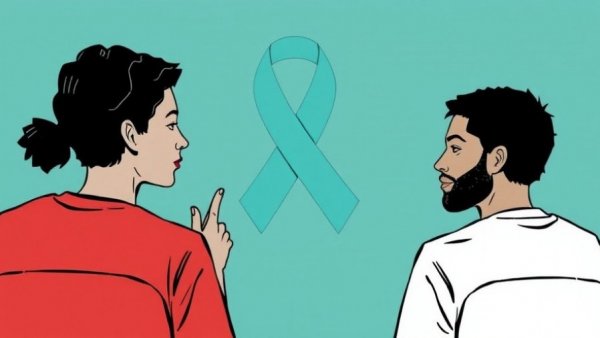
The Forgotten Battle: Understanding Today's HIV Risks
In the midst of the HIV epidemic, the U.S. faced a grim reality. Back in 1995, over 56,000 people succumbed to AIDS in a single year. Fortunately, the introduction of antiretroviral therapy reshaped the narrative of this disease, leading to a significant drop in diagnoses and deaths. Despite these advancements, today's generation is growing up without a true sense of the urgency that once accompanied the virus, raising pressing concerns about new infections.
Beyond the Old Shadows: Changing Perspectives on HIV
As we step into a world where HIV is viewed as a manageable chronic infection, younger adults may not fully grasp the severity of this virus. A 20-year-old today, having been born into an era equipped with life-saving treatments, might see little threat associated with HIV infection. For many, the image of AIDS is not one of urgency but of past tragedies. This shift in perception poses a challenge: how do we educate this generation about the ongoing risks they face?
Access to Treatment: A Double-Edged Sword
While we celebrate the reduction in AIDS-related deaths and the improved quality of life for many living with HIV, it's crucial to acknowledge that access to these treatments is not universal. As reported, over 20% of individuals living with HIV worldwide lack access to necessary care. This disparity could lead young adults to feel invincible, blind to the fact that without proper education and access to resources, they remain at risk for new infections.
Advancements in Prevention: Tools for a Safer Future
The introduction of Pre-exposure prophylaxis (PrEP) has ushered in a new era for HIV prevention. Young adults now have access to this preventative therapy that can dramatically reduce their risk. Innovations like the monthly injectable and the six-month cabotegravir offer even more flexibility, yet despite these options, awareness and uptake remain critically low among younger populations.
The Paradox of Public Health Success
When public health initiatives succeed, they can inadvertently diminish the perceived urgency surrounding a disease. The comparison to measles is fitting; as vaccination rates decline, the disease resurfaces, proving that complacency in one era can lead to increased vulnerability in another. This phenomenon presents a unique challenge for HIV prevention strategies, underscoring the need for continuous education and active engagement with the younger population.
Embracing the Reality of HIV: A Call to Education
The paradox of the HIV landscape today compels us to reframe our public health messaging: to show that though we have remarkable tools at our disposal, vigilance is as crucial as ever. Education remains the cornerstone of prevention, and addressing misconceptions held by younger generations is key to reducing new infections.
As homeowners, business owners, and parents in Pennsylvania, you can play a vital role in fostering dialogue about sexual health and promoting safe practices. Equip yourself with knowledge, share resources, and encourage your children and peers to engage in conversations about HIV.
It's imperative we maintain awareness of HIV, advocate for access to treatment, and advance the dialogue around prevention methods. Together, we can ensure that today's young adults are not only informed but empowered to protect themselves and their communities from this still relevant health issue.





Write A Comment