


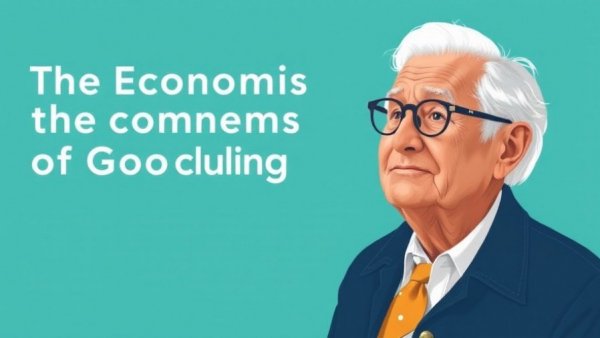
Understanding the Shift: Aging's Impact on the Economy
The landscape of the American economy is shifting as older adults take the spotlight. With the rise of an aging population, it’s crucial to recognize how their spending habits and needs are influencing economic trends. Instead of being sidelined, older individuals are emerging as the driving force behind various industries. From healthcare to travel, their preferences are reshaping the market, necessitating a new understanding of consumer behavior.
The Power of the Senior Consumer
One of the most fascinating aspects of this demographic shift is the spending power of older adults. With many having accumulated wealth over their lifetimes, seniors are making significant contributions to the economy. According to recent studies, people aged 50 and above are responsible for nearly half of all consumer spending. This statistic illuminates the sheer influence this age group has, allowing businesses to tailor their products and services to better meet their preferences.
This spending trend indicates a preference for quality over quantity, as seniors are more inclined to invest in products and services that enhance their quality of life. For instance, they might spend more on durable medical equipment that aids mobility, or luxury travel experiences that provide unforgettable memories. This changing behavior suggests that businesses must adapt their offerings to not only meet the evolving needs of this influential group but also to engage with them in a meaningful way.
Changing Social Dynamics and Their Economic Consequences
As the population ages, social dynamics are also changing, providing both opportunities and challenges in the marketplace. Seniors increasingly prioritize health and wellness, which has led to an increase in demand for health-oriented products, services, and even technology tailored to help manage health issues. Think of wearable devices that monitor health metrics or fitness programs specifically designed for older adults. Such innovations not only help seniors stay healthy but also provide businesses with new avenues for growth.
Moreover, this social transformation sees older adults actively seeking ways to remain engaged and connected. Communities are recognizing the importance of creating spaces and opportunities that foster social interaction. This shift not only contributes to the emotional well-being of seniors but also opens new avenues for businesses focused on community-building activities. Programs offering art classes, group exercises, or even book clubs are on the rise, as they provide seniors with platforms to socialize and stay mentally stimulated. This represents a win-win scenario for both older adults and businesses.
Investment Trends: The Senior Effect
With older individuals holding a significant portion of financial assets, investment strategies are also undergoing transformation. Financial advisors are encouraged to educate their clients about products suited for retirement, such as annuities, mutual funds, and income-generating investments. This is particularly crucial as many seniors are looking for ways to create a steady stream of income without taking excessive risks.
The focus is now on sustainable growth and ensuring that retirement funds can support an extended lifespan. Given that people are living longer, the strategies must be adjusted to maintain quality of life in the later years without exhausting resources. Seniors are looking not just for wealth, but for security and stability during their retirement, making it essential to engage in discussions around long-term financial planning. This includes considering healthcare expenses, which are often unpredictable and can erode savings quickly.
Future Outlook: Preparing for an Aging Economy
As we gaze into the future, the economic implications of an aging population will only intensify. Businesses will need to strategize around attracting and retaining older customers. This could involve everything from marketing messages that resonate with seniors to product designs that accommodate their needs. For example, websites need to be more user-friendly for older users, featuring larger fonts and simplified navigation. Companies that recognize and respond to these factors stand to gain a competitive advantage.
Moreover, policymakers will also need to consider the implications of this demographic change on social services, healthcare, and even the workforce. Ensuring that our economy can adapt and thrive amid these shifts will be critical. This may involve increasing support for elder care services and revisiting retirement age policies to reflect the changing workforce dynamics.
Decisions for Today: Engaging with Tomorrow's Economy
For those planning for retirement or simply interested in investments, it is essential to understand these trends. Engaging with this new economic reality means staying informed and adjusting strategies accordingly. Whether it's aligning investment choices with the needs of older consumers or recognizing the value of their experience in the workforce, every decision made today plays a role in shaping the future.
As older adults continue to redefine economic engagement, let’s be proactive in adapting to their changing needs. Communities can also contribute by supporting local businesses that cater to seniors, encouraging a vibrant economy that benefits everyone. It’s an exciting time for all generations, as we look toward a future where age truly is just a number.
In conclusion, recognizing the significance of older adults on our economy can lead to smarter financial decisions and a more inclusive marketplace. Embracing this demographic shift encourages businesses and consumers alike to foster environments that improve everyone's quality of life. As we understand and adapt to the implications of an aging population, we empower ourselves and others to thrive in this evolving landscape.



Write A Comment