
Add Row
Add Element
Pennsylvania Daily LIfe
update
Mike Sweeney
update
Add Element
  • Home
  • Categories
    • Wellness
    • Travel
    • Lifestyle
    • News
    • Health
    • Pennsylvania News
    • Financial
    • Home Living
    • Featured
August 21.2025
3 Minutes Read

Supreme Court's Ruling to Halt NIH Grant Funding: What It Means for Research

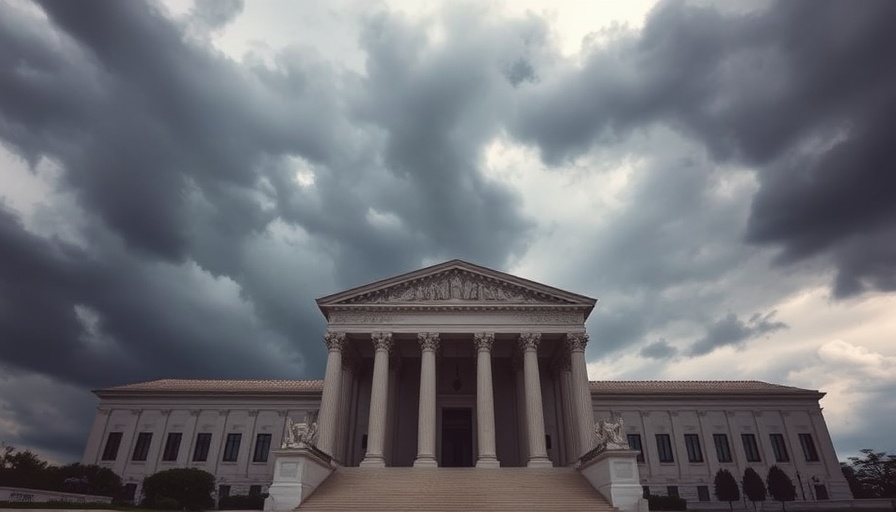
Supreme Court building under stormy sky as NIH grant funding is halted.

The Supreme Court's Shocking Decision on Grant Funding

The recent ruling by the Supreme Court, which allows the Trump administration to pause funding for specific National Institutes of Health (NIH) research grants, has reverberated throughout the scientific community and beyond. This unprecedented move raises critical questions about the future of biomedical research in the United States and the impacts on public health.

The decision signifies a monumental shift in federal funding management, turning the spotlight on how much autonomy government bodies will have over scientific funding. Experts are now eyeing congressional responses, fearing that without adequate financial support, many research projects, especially those addressing pressing health issues, may be put on hold.

Understanding the Implications of the Ruling

With the Supreme Court's ruling, institutions and researchers depending on NIH funding are left in a precarious position. This ruling could hinder various research initiatives looking to address crucial health concerns, from cancer studies to vaccine development.

As a result, scientists now face uncertainty in planning their projects, which can lead to a chilling effect on the willingness of researchers to innovate or pursue groundbreaking studies. The potential fallout could not only affect research outcomes but also impact public health strategies—especially at a time when new healthcare challenges continue to surface.

The Broader Consequences for Public Health

This ruling comes at a time when the importance of scientific research has been underscored by the COVID-19 pandemic. As researchers call for robust funding to tackle pressing health issues, governmental interference in funding decisions could prove detrimental.

In light of the Supreme Court’s decision, public health advocates emphasize the necessity for stable, unbiased funding to ensure continuity in scientific progress. Experts in the field argue that public health should not only be viewed through the lens of restrictions, but rather, as a valuable investment in the nation's health infrastructure.

Potential Future Trends in Research Funding

Looking ahead, the ruling is likely to stimulate a broader dialogue about the necessity and ethical implications of funding allocations. Funding pressures may switch from direct research advances to more politically favorable projects, which could define emerging trends in health research.

Observers suggest that this pivotal moment could incite advocacy efforts from the scientific community to establish more consistent funding mechanisms that safeguard against political fluctuations. This pattern may open avenues for alternative funding resources, perhaps increasing collaborations with private sectors or international organizations.

Counterarguments: Support for Funding Restrictions

Supporters of the funding halt argue that such measures prevent the misuse of taxpayer dollars and ensure that funding prioritizes projects aligned with governmental health agendas. They contend that government oversight can optimize expenditure efficiency and drive necessary changes in research focus.

However, this viewpoint clashes with the opinion of many in the scientific community, who argue that restricting funding largely compromises the integrity and independence of scientific research.

Call to Action: Engage With the Discussion

As this ruling develops, it is imperative for the public to engage with their representatives about the significance of funding for scientific research. Support for sustained funding programs could determine the health outcomes in the years to come.

It is crucial that citizens voice their concerns and advocate for policies that will enhance, rather than hinder, the pursuit of innovative scientific research. Understanding the implications of this ruling is the first step towards influencing future decisions that affect public health.

News

3 Views

0 Comments

Write A Comment

*
*
Related Posts All Posts
02.24.2026

Guthrie Family Offers $1 Million Reward for Nancy Guthrie's Recovery: Join the Search

Update A Heartfelt Plea: The Guthrie Family's Public Search for Nancy The Guthrie family, prominent figures in Pennsylvania, has recently launched a $1 million reward in an emotional appeal for information leading to the safe recovery of their beloved Nancy Guthrie. This generous offer underscores the emotional turmoil the family is experiencing as they seek to find Nancy, who went missing under mysterious circumstances. Such high-stakes calls for help are a common occurrence but still deeply resonate with communities and individuals nationwide. The Backstory: Who is Nancy Guthrie? Nancy Guthrie is not just a member of a well-known family; she is a mother, a friend, and a valued member of her community. Her disappearance has raised alarms beyond her immediate circle as the locals rally together in hope and support. Such events serve as a chilling reminder of the fragility of life and the unpredictable nature of human events. Community Impact: Motivating Action and Awareness This case highlights not only the personal distress of the Guthrie family but also engages broader conversations about community safety and missing person awareness. The $1 million reward aims to mobilize anyone with information who might otherwise hesitate to share. Rewards can be pivotal in generating leads, giving hope to families, and restoring peace in communities is crucial during such tense situations. Statistics on Missing Persons: A Stark Reality According to the National Missing and Unidentified Persons System, over 600,000 individuals go missing in the United States every year. The statistics can be staggering, but they illustrate the critical importance of public involvement in recovering missing persons. The Guthrie family's experience reminds us that each number represents a real individual with loved ones who are anxiously waiting for answers. Parallel Cases: The Broader Conversation on Safety Other families, similarly affected by tragedies like the Guthries, have also taken to public campaigns. The recent case of a missing young woman in Brooklyn sparked similar community-driven efforts, resulting in local awareness campaigns and organized volunteer search parties. Such parallels offer insights into how community spirit and mobilization can serve as effective tools in combating the distressing trend of missing persons. Future Predictions: What This Could Mean for Similar Cases As the Guthrie family continues their search, future developments may spark further national conversation surrounding resources allocated for missing person cases. Increased visibility of such campaigns could lead to more systematic changes in how communities monitor and respond to missing persons, resulting in more robust support for families in crisis. Conclusion: The Importance of Community Support The Guthrie family's quest for Nancy is a poignant reminder of the collective strength found in community. The $1 million reward not only symbolizes the urgency of their situation but also reflects the undying hope that one day, Nancy will be home. Individuals with information should feel empowered to come forward, knowing their contribution could mean the world to a family in distress. In these times of uncertainty, staying connected and engaged in our communities can make all the difference. If you have any information regarding Nancy Guthrie's whereabouts, consider reaching out to local authorities or the Guthrie family directly. Your help could bring closure to a family in desperate need.

02.23.2026

Blizzard Causes Massive Flight Cancellations on the East Coast: What Travelers Should Know

Update The Impact of the Blizzard on the East CoastRecently, an intense winter storm swept across the Eastern United States, bringing what meteorologists are describing as potentially historic blizzard conditions. As a consequence, thousands of flights were canceled, dealing devastating blows to travelers preparing for journeys over the weekend. The National Weather Service had issued blizzard warnings for a vast area extending from Maryland up to Massachusetts, with the hardest-hit locations forecasting upwards of two feet of snow.Travel Disruptions: What You Need to KnowMajor Northeastern airports, including New York City’s JFK and LaGuardia, as well as Boston Logan International, have been particularly affected, with reports indicating that up to 95% of flights were grounded by Sunday evening. Many airlines, including Delta and JetBlue, proactively waived change fees, urging any passengers impacted to reschedule their travel under safer conditions. The storm's arrival prompted not just airline cancellations but also the rescheduling of Amtrak services and bus routes—leaving many to question how they would reach their final destinations during such dangerous weather.The Personal Toll: Stories from TravelersAs always, the weather brings with it personal stories that highlight the human aspect of these disruptions. Travelers whose plans were abruptly thwarted shared their stories of scrambling to find alternative routes or searching for appropriate accommodations after being stranded at airports. One traveler intended to reunite with family in Puerto Rico, only to find themselves stuck with cancelled plans, illustrating the emotional weight of nature's unpredictability.Preparation and Response: Lessons LearnedThis blizzard serves as a stark reminder of the unpredictability of winter weather and the necessity for preparedness. Cities and towns across the Northeast scrambled to implement snow-clearing tactics, drawing from lessons learned from previous storms. New York, for example, mobilized additional snow-removal equipment, preparing for the expected heft of snow. Local officials maintained frequent communications with residents, stressing safety and preparedness as paramount.The Larger Picture: Climate Trends and Future PredictionsAs climate patterns evolve, meteorologists observe a potential increase in the intensity and frequency of such winter storms. Experts debate whether these changing weather patterns are a direct result of global climate change. In light of recent events, there are calls for enhanced infrastructure and urban planning to better protect cities and their residents from significant blizzard impacts in the future. Along with current preparations, ongoing discussions about climate adaptation and response have emerged as essential dialogues in building resilient communities.Your Weather Action Plan: Staying Safe During Winter StormsFor those residing in areas susceptible to winter weather, crafting a weather action plan can provide not only safety but peace of mind. Keeping an emergency kit in your home and vehicle, staying informed through weather services, and understanding your local emergency infrastructures can be lifesaving measures. It’s worthwhile to frequently review safety protocols, especially as harsh weather seems to become a norm.

02.22.2026

New York City Faces Unprecedented Blizzard Warning: What You Should Know

Update New York City Faces Historic Blizzard WarningFor the first time in over six years, New York City is preparing for a blizzard, signaling a severe weather shift that has many residents on alert. The National Weather Service issued the blizzard warning, forecasting heavy snowfall and strong winds that could bring unprecedented conditions to the metropolitan area. This moment marks not only a significant meteorological event but also serves as a reminder of the ongoing impact of climate change on weather patterns.Understanding the Weather PhenomenonThis upcoming storm is expected to accumulate upwards of a foot of snow in some areas. Such conditions lead to reduced visibility and treacherous travel situations. Meteorologists have highlighted that the complexities of such storms can primarily be attributed to the climate crisis, which has contributed to more erratic weather patterns nationwide. Reports indicate that regions typically shielded from such extreme snow are now facing unprecedented weather events.The Broader Impact of Severe WeatherBlizzard warnings are not exclusive to New York City. Across the Northeast, many regions are bracing for similar conditions. In Pennsylvania and New Jersey, heavy snowfall is forecasted, creating potential hazards for both travel and emergency services. Cities across these states are coordinating with local and state officials to ensure that roads are clear and safe for drivers, illustrating the interconnectedness of weather events and community preparedness.Historical Context: When Did This Start?The last time New York City saw such a blizzard warning was in 2017, a period during which numerous cities were already experiencing escalation in winter weather warnings. The shift since then serves as both a historical reference and a cautionary tale about the urgency of preparing for climate-related events. Stepping beyond the surface of this blizzard, this pattern of increased frequency and severity highlights a growing concern among climate scientists and policymakers alike.Public Preparedness: Are We Ready?As the city's administration mobilizes resources for the storm response, residents are reminded to prepare accordingly. Practical tips include stocking up on essentials and being vigilant about travel plans. Public safety announcements are key in mobilizing residents to stay indoors during the worst of the storm, mitigating risks and dealing with potential emergency situations effectively.Future Predictions and Climate InsightsLooking ahead, forecasters stress that this severe weather could become more common in metropolitan areas historically accustomed to milder winters. Climate change models predict that major cities may experience an increase in winter storms alongside milder summer conditions. This shift begs the question: how can urban planning adapt to meet these emerging challenges in the face of severe weather?Taking Action: How Communities Can PrepareCommunities are encouraged to develop strategic response plans for severe weather, enhancing local infrastructure safeguards. Schools and businesses have a vital role in community preparedness by communicating effectively during weather events, thus aiding recovery post-storm. Creating awareness about emergency processes can help ease public concerns and ensure that everyone is equipped with the information to both protect themselves and others.Conclusion: The Urgency of Awareness and ActionAs New York City braces for one of its first major blizzards since 2017, it is vital that all residents take these warnings seriously. Understanding the impacts of climate change on our weather patterns is crucial for community safety and resilience. Individuals are encouraged to stay informed through reliable news sources and follow emergency instructions as the blizzard approaches. Awareness may be the key to navigating through this storm and beyond.

Terms of Service

Privacy Policy

Core Modal Title

Sorry, no results found

You Might Find These Articles Interesting

T
Please Check Your Email
We Will Be Following Up Shortly
*
*
*