


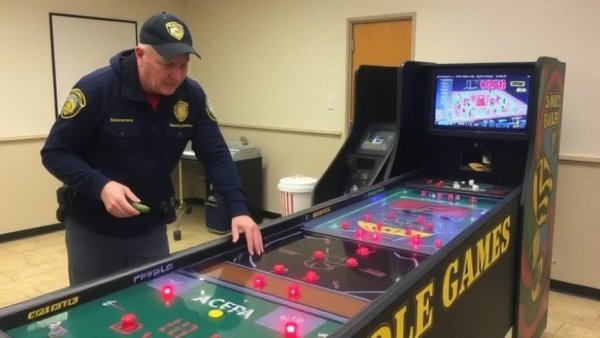
The Impact of Skill Games on Pennsylvania's Economy
As the Pennsylvania State Police (PSP) report a significant compliance with the court's ruling on skill games, over 12,000 businesses and social clubs have discontinued the use of these slot machine-like terminals. While this compliance marks a successful enforcement of state gambling laws, it poses serious challenges to many small establishments that relied on skill games for financial support. For many, these games were not just a source of enjoyment for patrons; they represented a significant revenue stream that helped cover operating costs and support local employment.
The situation began when the Pennsylvania Supreme Court ruled in June that skill games must be regulated similarly to legalized gambling. According to this ruling, only venues licensed by the Pennsylvania Gaming Control Board are permitted to host such games. Despite a 140-day pause granted to lawmakers to craft new legislation that could potentially legalize the machines, no consensus was reached. The PSP’s findings reveal that out of roughly 12,202 establishments inspected, only 68 continued to host these devices as of mid-October. This indicates that the vast majority of businesses have taken the court's decision seriously, prioritizing compliance over continued operation of an uncertain revenue source.
Challenges Facing Local Businesses
Many local businesses, such as gas stations, grocery stores, and laundromats, depended on skill games for a vital stream of income. The sudden removal of these machines, prompted by the PSP's enforcement actions, brings an urgent need for these businesses to adapt. Small businesses are already exploring creative solutions to offset the loss, such as hosting live events, expanding their product offerings, or seeking partnerships with other local businesses to create a more robust community atmosphere.
With approximately 70,000 machines estimated to have been in operation statewide, the economic impact of their removal cannot be understated. Business owners need to reevaluate their strategies and find alternative ways to attract customers. Some have been discussing the feasibility of introducing new games or entertainment options that comply with existing laws, while others are looking into adapting their spaces for community gatherings, which can also bring in much-needed foot traffic.
Some business owners have voiced concerns about the abrupt regulatory change, indicating the need for clearer communication from the PSP about compliance requirements. The lack of proactive guidance has left many in the dark, scrambling to understand their options and next steps. While the PSP emphasizes that no manufacturer or operator sought input on the legality of these machines before introducing them, the regulation is now clear—devices accepting any form of player compensation that functions like a slot machine fall under the definition of unlawful gambling. This lack of clarity prior to the enforcement has raised questions about fairness, especially for small operators who may feel the crushing weight of immediate compliance without ample time for adjustment.
Legal Implications and Ongoing Investigations
The PSP has already seized 14 machines and nearly $2,000 in cash as part of their enforcement actions, but investigations are ongoing. They warn that continued operation of these machines could lead to criminal charges for both distributors of the devices and the establishments hosting them. Owners and managers are urged to consult with their vendors for the immediate removal of these devices to avoid potential legal challenges.
The message from the PSP is clear: establishments must rigorously adhere to the law in order to avoid jeopardizing their business. They stress that any machines perceived as not accepting cash but still offering a payout capability could be confiscated. This guidance highlights the importance of ensuring compliance moving forward and encourages businesses to stay informed about any future legal developments that may impact their operations.
Potential Future Developments in Gaming Regulations
The current ban on skill games may prompt future legislative efforts in Pennsylvania. Lawmakers are now in a position to reevaluate and potentially redefine the regulations governing gaming in the state. It remains to be seen whether a more formalized framework for game regulations will emerge, but the hope is that it could incorporate a better understanding of local economic realities and community needs. If lawmakers take this opportunity seriously, businesses could be positioned to benefit from a structured and comprehensible legal landscape.
As the public and private sectors continue to navigate these changes, collaboration may be essential. Future discussions may need to include stakeholders from local businesses, gaming operators, and legislative bodies to craft solutions that address both regulatory concerns and economic impacts. Engaging in dialogue could lead to informed legislation that balances community needs with state regulations.
Community Response and Resilience
Despite the upheaval caused by these enforcement actions, Pennsylvania residents have shown remarkable resilience. Many local establishments are already brainstorming creative solutions, from increasing their community events to diversifying their offerings in order to maintain their customer base and financial stability. This proactive approach not only helps the businesses themselves but also fosters a sense of unity within the community.
The discontinuation of skill games has ignited a sense of communal support, with many patrons stepping up to help their local favorites find new financial footing. Small businesses often rely on local loyalty, and the community response underscores the importance of supporting neighborly establishments during tough times. Local citizens can also advocate for solutions that help these businesses thrive, which may include campaigns to generate awareness of the unique challenges these establishments face.
Conclusion: The Road Ahead for Pennsylvania's Businesses
With over 12,000 establishments effectively complying with the removal of skill games, Pennsylvania has embarked on a challenging yet essential journey towards ensuring lawful and safe gambling practices. The road ahead may be fraught with economic challenges, but through collective community effort and legislative willingness to revisit the gaming laws, a brighter future can be envisioned for local businesses.
As residents of Pennsylvania and visitors alike, it’s incumbent upon us to stay informed about these developments, actively support our local businesses, and advocate for legislation that fosters economic stability and growth in our communities. Community resilience, alongside proactive dialogue between businesses and lawmakers, may shape a more favorable landscape for Pennsylvania’s economy in the months and years ahead.




Write A Comment