
Add Row
Add Element
Pennsylvania Daily LIfe
update
Mike Sweeney
update
Add Element
  • Home
  • Categories
    • Wellness
    • Travel
    • Lifestyle
    • News
    • Health
    • Pennsylvania News
    • Financial
    • Home Living
    • Featured
August 21.2025
3 Minutes Read

Red Land Senior Center Relocates: What It Means for Seniors in PA

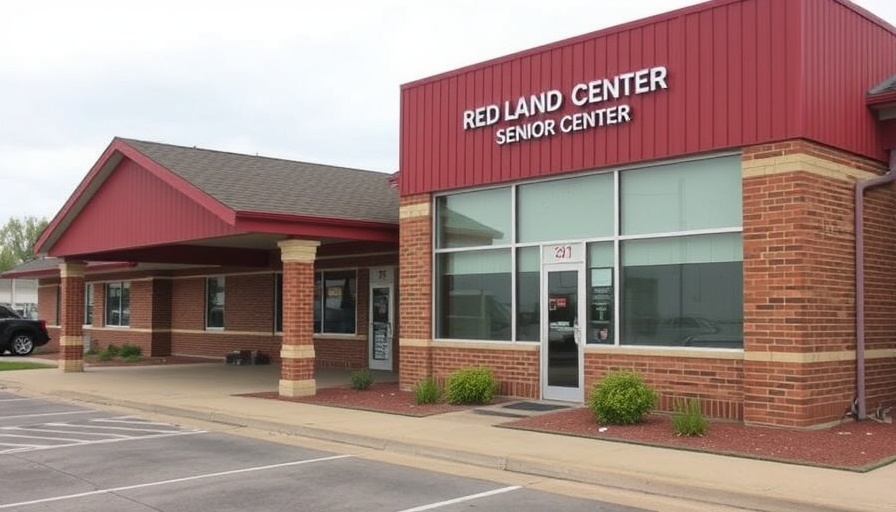
Red Land Senior Center relocates to temporary location

A New Chapter for the Red Land Senior Center

In a significant move for the community of New Cumberland, the Red Land Senior Center has recently relocated to a temporary facility while its original location undergoes renovations. This change represents not only a shift in location but also an exciting opportunity to adapt and grow to better serve the seniors of Pennsylvannia.

Why the Move Matters

The relocation is essential for enhancing the facilities utilized by older adults, allowing them to engage in various social and recreational activities. The Red Land Senior Center provides a vital lifeline for seniors who seek companionship and support, offering programs ranging from exercise classes to educational workshops.

Community Connections: Value Beyond the Center

The senior center's move is significant beyond just a change in address; it reflects a broader commitment to community engagement. By ensuring seniors have access to safe and welcoming spaces, local officials and center coordinators are fostering a connected community. This is especially important when considering that these spaces often serve as social hubs for many seniors who might feel isolated.

Future Trends in Senior Services

As we observe trends in senior living and services, we are seeing a shift toward more integrated approaches that combine health, wellness, and community engagement. The adaptation of the Red Land Senior Center to a temporary location resonates with the increasing need for flexible spaces that can easily adjust to the changing needs of the elderly. This demonstrates a promising step toward innovation in senior services.

Beyond the Facilities: Emotional Impact

The relocation may stir a mix of emotions among the seniors. For some, it could involve leaving behind familiar spaces that hold cherished memories; for others, it presents the chance to explore new opportunities. Addressing these feelings in the transition is crucial, as seniors adapt to what their new environment will offer. Connecting emotionally not only aids in the transition but encourages enduring support from local residents.

Proactive Steps for Seniors in Transition

Seniors can take proactive steps during this transition to ensure their comfort and confidence in exploring this new space. Familiarizing themselves with the new location by attending activities, joining small group meetings, or reconnecting with friends can ease anxieties. Familiar faces and routines can help mitigate the discomfort that comes with change.

Key Takeaways from the Red Land Senior Center's Move

The relocation of the Red Land Senior Center serves as a powerful example of how communities can positively influence the lives of older adults. It reminds us that physical spaces play a significant role in fostering connection, engagement, and overall well-being. As Pennsylvania's seniors adapt, their stories and experiences can shape future expectations for senior services, ensuring that their needs are heard.

Your Role in Supporting Local Seniors

As the community adjusts to this transition, locals can get involved in various ways—from volunteering at the senior center to participating in community discussions about the future of senior services in Pennsylvania. Consider reaching out to local organizations you care about, or lend a helping hand to seniors as they navigate this new chapter in their lives.

Conclusion: Looking Ahead

In conclusion, the relocation of the Red Land Senior Center is not merely a logistical change; it signifies a new beginning filled with promise for Pennsylvania’s older adults. As needs continue to evolve, so will the opportunities available to engage, empower, and enrich the lives of seniors. Be a part of this journey, and consider how you can support and connect within your community!

Financial

3 Views

0 Comments

Write A Comment

*
*
Related Posts All Posts
02.22.2026

Why Small Businesses Are Embracing 401(k)s for Employee Benefits

Update 401(k)s: A Lifeline for Small Businesses As small businesses grapple with rising operational costs and employee retention challenges, many are discovering the surprising benefits of offering 401(k) plans. Traditionally viewed as a perk for larger companies, these retirement savings plans are now being embraced by small businesses not just for their potential to benefit employees, but also as an essential tool for attracting and retaining talent. With new legislation making it easier for small businesses to implement these plans, let's explore why 401(k)s are becoming the new favorite. The Shift in Perception: Why Small Businesses Care Historically, many small business owners felt that offering a 401(k) was out of reach or too complicated. However, laws like the SECURE Act have reshaped this narrative by providing tax incentives and simplified administrative processes. This shift means that even the tiniest enterprises can offer retirement benefits, leveling the playing field with larger corporations. Empowering Employees Through Financial Literacy In addition to attracting talent, small business owners are recognizing the value of educating their employees about financial wellness. A recent survey revealed that nearly 70% of employees expressed greater loyalty to companies that invest in their financial education, which can include saving for retirement through 401(k) plans. Companies that take an interest in their employees' financial futures foster a positive workplace culture and enhanced productivity. Comparative Advantage: 401(k)s vs. Other Benefits While many small companies have traditionally relied on health benefits and flexible working hours to retain employees, a well-structured 401(k) plan now provides a compelling advantage. Unlike health insurance, which can be costly and complex, 401(k) plans offer a straightforward way for employees to secure their financial future. Many small businesses cite this simplicity as a major factor in their decision to adopt these plans. What the Future Holds for Small Business Retirement Plans Looking ahead, the trend of small businesses adopting 401(k)s is set to grow. As younger generations enter the workforce, they'll come to expect robust retirement options from employers. Furthermore, increased public education on the importance of savings will likely encourage small businesses to consider these plans integral, rather than optional, to their employee benefits package. Real Stories: Small Business Owners Share Their Experiences Consider the story of Maria, a café owner in Pennsylvania. Faced with high turnover rates, she implemented a 401(k) plan last year. Maria found that the simple act of offering this benefit sparked deeper conversations about financial planning within her team. Not only did her employee retention rate improve, but her employees reported feeling valued and secure. Hearing testimonials like Maria's emphasizes the real-world impact of adding 401(k) plans in small business settings. Taking Action: Steps to Implement a 401(k) Plan If you're a small business owner considering a 401(k) plan, here are some steps to get started: Research Providers: Look for a provider that specializes in small businesses, as they often offer tailored solutions and advice. Consider a Simple Plan: Start with a Simple 401(k) or a Safe Harbor 401(k), both of which have fewer compliance requirements. Educate Your Employees: Host informational sessions to help employees understand the benefits and workings of the plans. Your Move Towards Financial Stability With a variety of 401(k) options now available tailored for small businesses, there has never been a better time to take action. Offering a retirement plan not only supports your employees but also establishes your business as a forward-thinking employer. As more proprietors recognize the dual benefits of employee satisfaction and competitive advantage, 401(k)s will undoubtedly solidify themselves as a staple of small business operations. Act now to explore the robust advantages of implementing a retirement plan. Your employees—and your business—deserve this investment in the future.

02.21.2026

How to Avoid Costly Penalties and Manage Your Estimated Taxes Effectively

Update Understanding Estimated Taxes and Their Importance For many adults, the world of taxes can often feel daunting and complicated, especially when it comes to estimated taxes. Understanding how they work is crucial, particularly for individuals like retirees or small business owners who might have fluctuating income streams. The concept of estimated taxes is straightforward: if you're self-employed or have income not subject to withholding, you need to pay these taxes throughout the year, rather than just during tax season. Why Are Estimated Taxes Important? Failing to make the necessary estimated tax payments can result in hefty penalties. According to the IRS, you can avoid underpayment penalties if you pay at least 90% of the current year's tax liability or 100% of the previous year's tax. However, if your adjusted gross income last year was more than $150,000, the threshold increases to 110%. For many, being unaware of these guidelines can lead to unexpected financial setbacks. Balancing Payments: The Safe Harbor Rule The Safe Harbor rule is essential for navigating the estimated tax landscape safely. This provision helps shield taxpayers from penalties as long as specific conditions are met. It’s a lifeline for those who may not have an evenly distributed income throughout the year. If you’re facing fluctuating income due to factors such as retirement withdrawals or seasonality in your work, the Safe Harbor rule could save you from unnecessary penalties. Common Misconceptions About Estimated Taxes Many people assume that if they didn’t owe taxes last year, they won’t owe them this year. However, this is a misconception. Even a small change in income can result in a significant tax liability, particularly if your circumstances have changed. Similarly, receiving a tax refund isn’t always an advantage—it can be a sign of overpaying and allowing the government to hold your money interest-free. Understanding these nuances can help you make better decisions about your finances. Practical Insights on Managing Estimated Taxes Managing your estimated taxes doesn’t have to be overwhelming. Here are some practical insights: Use IRS Tools: The IRS provides calculators to help you estimate your tax liability, which can be invaluable for planning your payments. Keep Records: Document your income and expenses closely, and update your estimates accordingly. This will help you adjust your payments if your income fluctuates. Consider Professional Help: If your financial situation is complex, consulting a tax professional can offer tailored strategies to avoid penalties. Future Predictions: The Evolving Tax Landscape As tax laws continue to evolve, understanding the implications of estimated taxes will be vital for many Americans, particularly as the new Tax Cuts and Jobs Act brought notable changes to withholding rates. Future adjustments can significantly impact your tax liability, making it crucial to stay informed and proactive. Key Takeaways Overall, staying on top of your estimated tax payments requires understanding your tax obligations and planning effectively. By utilizing safe harbor rules and taking advantage of IRS resources, taxpayers can prevent painful penalties and manage their finances better. Remember, knowledge is your most powerful tool in the realm of taxes; the more you understand, the better positioned you are to handle your financial future. If you're looking to avoid penalties and maintain peace of mind regarding your taxes, consider speaking with a financial advisor. Taking that step today can ensure that you are prepared for the future.

02.20.2026

Why You Need More Stocks: James Choi’s Investment Insights Unpacked

Update Understanding James Choi's Bold Call for More Stocks As retirement approaches, many of us grapple with the question of how to maximize our investments. A recent study by Yale professor James Choi offers a revealing perspective: increasing our stock investments could be key to achieving higher returns. The Yale Investment Model: A Proven Strategy Choi’s advocacy for more stocks ties closely to the Yale Endowment Model, a famed investment approach introduced by David Swensen in the 1980s. Initially, Swensen took the endowment’s typical 60% stocks and 40% bonds allocation and turned it upside down by focusing on diversification and alternative investments like real estate and private equity. This shift netted the university an impressive $40 billion boost and reshaped how we think about investment portfolios. The Case for Stock Allocation While stocks have historically been considered riskier than other assets, Choi argues they are essential for long-term growth, especially in tax-deferred and tax-free accounts. Many financial experts even encourage younger investors to allocate a more significant portion of their portfolios to stocks to build wealth over time. What Can Retirees Learn from the Yale Model? This emphasis on stocks is particularly relevant for retirees and those nearing retirement. The Yale model suggests that a well-rounded portfolio should include a mix of asset classes, with a focus on those that offer growth potential. For example, Choi points out that easily accessible index funds can provide satisfactory exposure to the stock market without overwhelming risk. Alternative Assets: The Hidden Gems Interestingly, while advocating for stocks, both Choi and Swensen also highlight the importance of alternative assets. Illiquid investments, such as real estate, offer considerable upside without direct correlation to stock market volatility, thus enabling better risk management. A balanced portfolio, therefore, should embrace both stocks and alternative investments for optimal growth. Future Predictions: Planning Ahead The future of investment strategies may increasingly favor a balanced yet aggressive approach. As the financial landscape continues to evolve, understanding the principles of asset allocation, as championed by Yale, will be crucial for investors of all ages in navigating their financial futures. Common Misconceptions: Stocks Aren't Just for Young Investors Many people believe that retirement means moving completely into bonds or conservative investments. However, Choi's findings challenge this notion, suggesting that appropriate stock exposure even in retirement can yield better returns — particularly through tax-advantaged accounts. Actionable Steps for Your Investment Portfolio 1. **Assess Your Current Portfolio**: Take a close look at how much of your investments are allocated to stocks. If you find yourself on the conservative side, consider reallocating more to stocks. 2. **Diversify Wisely**: Embrace both traditional and alternative investments to protect your portfolio against market fluctuations. 3. **Consult a Financial Advisor**: If you're unsure how to navigate this strategy, a conversation with a financial expert can provide personalized insights tailored to your specific situation. Conclusion: Act Now for a Stronger Financial Future As the investment landscape changes, so too should our strategies. Choi's insights not only shine a light on the importance of stock allocation but also demonstrate the necessity of understanding a diversified approach. With effective strategies in place, you can improve your financial well-being and pave the way for a more secure retirement.

Terms of Service

Privacy Policy

Core Modal Title

Sorry, no results found

You Might Find These Articles Interesting

T
Please Check Your Email
We Will Be Following Up Shortly
*
*
*