
Add Row
Add Element
Pennsylvania Daily LIfe
update
Mike Sweeney
update
Add Element
  • Home
  • Categories
    • Wellness
    • Travel
    • Lifestyle
    • News
    • Health
    • Pennsylvania News
    • Financial
    • Home Living
    • Featured
April 21.2025
4 Minutes Read

Pope Francis Passed Away: What's Next for Catholics and the Church?

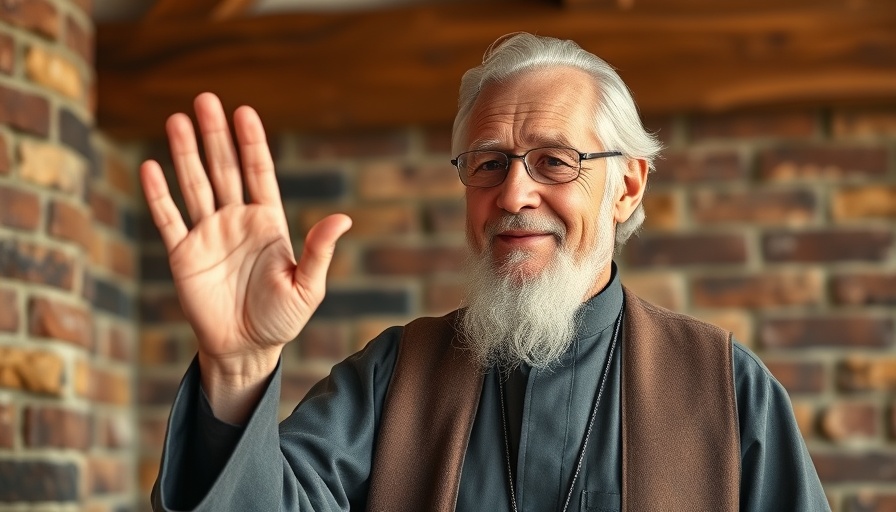
Catholics mourn Pope's death news headline with image of elderly leader.

A Moment of Mourning: Remembering Pope Francis

The passing of Pope Francis at the age of 88 has left a profound impact on Catholics around the world, especially here in Pennsylvania. His departure comes just a day after he made a public appearance during Easter services, radiating hope and faith to thousands of believers. As parishioners mourn, they reflect on the legacy of a pontiff who worked tirelessly to embody the essence of Christianity, promoting love, compassion, and inclusivity.

In 'What's next as Catholics mourn Pope Francis' death', the discussion dives into the collective mourning and the next steps for the Church, prompting a critical analysis of Pope Francis's legacy and the future direction of Catholic leadership.

A Shocking Loss: How the News Came

Many were caught off guard when they learned about Pope Francis’s passing. Reports indicated that he had been hospitalized for five weeks due to double pneumonia, yet his Easter appearance seemed to indicate a reassuring stability. Notably, the jubilant shouts of joy that filled St. Peter's Square now seem distant, overshadowed by the somber chime of church bells resonating through the air as followers gather to pay their respects.

Reflections from the Faithful

In Pennsylvania, particularly in areas like Center City, emotions ran high as people congregated outside the Cathedral Basilica of Saints Peter and Paul to commemorate the impact of Pope Francis. Archbishop Nelson Perez articulated the sentiments shared by many when he recalled the Pope's historic visit to Philadelphia, saying, “He taught us to love and to have joy.” The pontiff’s trip in 2015 left an indelible mark on over 1.5 million Catholics in the region, highlighting his outreach and warmth that endeared him to so many.

Conveying Unexpected Joy: Legacy of Kindness and Love

Pope Francis was often referred to as the "People’s Pope", a title he earned by engaging with communities and addressing pressing global issues. He is not just remembered for his teachings but for the way he delivered them—with genuine compassion and humility. As parishioner Jenny Dennis expressed, “He showed love to the whole world and that’s what we all need right now.” This perspective enhances the understanding of the emotional landscape within the Catholic community as they collectively navigate this loss.

Next Steps After the Passing

Following the death of Pope Francis, significant rites and observances known as the Interregnum will commence. Cardinal leaders from around the world will converge to honor his life and prepare for the election of a new pope. This transition of power carries weighty implications, as discussions about the future direction of the Church intensify among the electing cardinals. The conclave—where cardinals will gather to elect the next pontiff—will unfold within days of the funeral, showcasing the Church's enduring nature amidst change.

Paying Respects: Special Masses and Gatherings

In local parishes, familiar rituals will take on new significance as services dedicated to Pope Francis take place throughout Pennsylvania. A special mass held at the Cathedral Basilica will not just honor his life but will also facilitate communal healing. Faithful attendees, like those present during early morning services, have gathered to pray for his soul, demonstrating resilience and unity in the face of sorrow.

Globally Recognized: Tributes and Responses from Leaders

Global leaders have already begun to express their condolences, each acknowledging the profound impact that Pope Francis had during his papacy. Vice President JD Vance remarked on both the Pope’s declining health and his lasting influence on Christianity. This spotlight on Pope Francis’s global outreach reveals a humbling and unifying thread as various transformations within the Catholic Church lie ahead.

The Future of the Church: Anticipating Leadership Changes

Speculations about the next pope have begun, as many suggest a shift to more traditional leadership following Pope Francis's progressive approach. Observers note the mix of hope and fear surrounding the upcoming conclave, with some advocating for a leader who will continue Francis's legacy of outreach, while others long for a return to conservative values. This juxtaposition creates an atmosphere filled with uncertainty and curiosity about what the future holds for the global Catholic community.

The death of Pope Francis has opened the door for discussion, reflection, and prayer, serving as a poignant reminder of his contributions to the Church. For Pennsylvania residents and all Catholics alike, it's a time to reconnect with their faith as they navigate the complex emotions of loss and hope together.

As we honor his memory, let us take a moment to reflect on his teachings and embrace unity, love, and kindness—qualities that he propagated throughout his life. Those curious about the evolving landscape of the Catholic Church should stay engaged in the coming weeks, as we witness not just a transition of leadership but a transition of values and faith within a community forged from shared beliefs.

To stay updated on the latest developments regarding the passing of Pope Francis and insights into evolving Church dynamics, keep an eye on our coverage to explore what lies ahead.

Pennsylvania News

1 Views

0 Comments

Write A Comment

*
*
Related Posts All Posts
02.25.2026

Understanding Victoria's Law: How It Aims to End Puppy Mill Sales in PA

Update Understanding Victoria's Law: A Step Towards Ethical Pet Ownership The proposed 'Victoria's Law' in Pennsylvania aims to tackle a significant issue within the pet industry: the sale of animals raised in puppy mills. Under this legislation, pet stores would be prohibited from selling animals sourced from large-scale breeders, which are often criticized for their inhumane treatment of dogs and other pets. Named after a German shepherd saved from a puppy mill after suffering a decade of exploitation, this law represents a critical juncture in Pennsylvania's struggle against unethical breeding practices. What Needs to Change in the Pet Industry Supporters of Victoria's Law, including animal rescue advocates like Grace Kelly Herbert, emphasize the need for improved transparency and higher standards within the pet trade. Herbert, who has rescued thousands of dogs, underscores the danger of purchasing pets from irresponsible breeders: “House Bill 1816 can reduce the risk of heartbreak and financial strain for Pennsylvania families,” she explains, advocating for more informed decisions when it comes to pet adoption. What Are Puppy Mills and Why Are They a Problem? Puppy mills are high-volume breeding operations that prioritize profit over animal welfare, often leading to various health and emotional issues for the animals. The Pennsylvania Veterinary Medical Association echoes these concerns, with Dr. Andrea Honigmann stating that unregulated breeding still prevails as an issue, pointing out that problems can arise from both pet shops and private breeders. The law aims to reduce the supply from these mills, effectively encouraging consumers to choose reputable sources. The Legislative Landscape: Support and Criticism While there is significant support for Victoria's Law, critics argue that it doesn’t address the root of the problem—unregulated breeders and the continuing existence of puppy mills. They propose that strengthening existing Pennsylvania dog laws could be a more effective way to elevate standards. Yet, proponents of the law, including state lawmakers like Representative Jeanne McNeill and Senator James Malone, argue that such legislation is necessary to create immediate change. Malone pointed out that “Pennsylvania, specifically Lancaster, has a significant problem with puppy mills that needs to be addressed urgently.” Comparative Standards: National Context and Local Solutions Senator Malone's companion bill, Senate Bill 1190, aims to align Pennsylvania with similar humane retail standards seen in other states, which have already enacted laws to combat the sale of animals from puppy mills. This aligns with trends seen across eight other states and numerous localities where responsible pet sourcing is prioritized. Together, these legislative efforts aim to shift the focus to sourcing animals from shelters and responsible breeders, ultimately improving animal welfare across Pennsylvania. The Impact on Future Pet Owners The success of Victoria’s Law could resonate profoundly beyond its immediate implications. If passed, new regulations may lead consumers to make increasingly ethical decisions, thereby reducing the financial and emotional burdens associated with health issues in pets sourced from dubious situations. As advocates like Grace Kelly Herbert illustrate through her experiences, the stakes are painfully high for both animals and families. “Had those people taken them home, they would have had a tragedy in their family,” she warns, referencing puppies who suffered after purchase. Next Steps for Pennsylvania Residents Citizens of Pennsylvania who wish to see meaningful change in how pet stores source their animals should become actively engaged in supporting this legislation. Expressing your views to local representatives, attending public hearings, and amplifying the conversation on social media can create momentum for reform. The fight against puppy mills is a collective effort—one that calls for informed voters and compassionate consumers.

02.24.2026

Why Toyota Racing Development's Long-Term Deal with Young Driver Matters

Update The Rise of Young Talent in Motorsports In an exciting turn for motorsports, 13-year-old rookie racer Jett Noland is stepping onto the big stage with a significant contract from Toyota Racing Development (TRD). Noland, who has already gained attention in the racing community for his remarkable talent, represents a fresh wave of young individuals breaking into a sport traditionally dominated by older, experienced drivers. This move by Toyota signals a growing trend: investing in young talent and nurturing their development from an early age.In Toyota Racing Development signs 13-year-old to a long-term driver deal, the discussion dives into the future of young talent in motorsports, exploring key insights that sparked deeper analysis on our end. Echoes of the Past: Young Drivers Making History History provides numerous examples of young drivers who have made an indelible mark in the world of motorsports. Legends like Jeff Gordon and Danica Patrick began their careers in their early teens, paving the way for hopeful stars like Noland. By signing talented youngsters, companies like TRD hope to discover the next generation of icons, contributing not only to their own brand but to the entire racing culture. Community Impact of Young Athletes This exciting news has resonated deeply within the Pennsylvania community, particularly among younger racing enthusiasts. Events showcasing young racers not only foster local talent but generate community support and interest in the sport. Local tracks can further engage youth and families by hosting programs and activities centered around motorsports, encouraging young aspiring racers. Noland’s progress offers an inspirational narrative, emphasizing that dedication and talent can indeed lead to significant rewards. Challenges Young Drivers Face While the allure of a racing career is significant, the challenges young drivers encounter can be daunting. Financial pressures often dominate, as families invest considerable resources into equipment, travel, and training. Furthermore, balancing academic responsibilities while pursuing a racing career can become a tightrope walk. Community programs that support young athletes, like those seen in Pennsylvania, can alleviate some of these burdens, offering scholarships or assistance to deserving individuals. The Future of Racing: Opportunities for Young Talent Looking ahead, the future of racing appears bright, especially for youth involved in the sport. Organizations like TRD are not only interested in the immediate results but are also focused on long-term development, creating pathways for aspiring drivers. As established drivers share their insights and experiences, younger talents can better navigate the complexities of the racing world, from technical skill development to media engagement. Inspiration for Local Youth The journey of Jett Noland serves as powerful motivation for the youth of Pennsylvania. Young people seeing someone their age achieving such notable success can spark dreams and aspirations. Community awareness initiatives around this topic are essential in showcasing the importance of support networks for young athletes. Engaging local figures such as coaches, previous racers, and community leaders in conversations about the future of racing can help cultivate a richer environment for aspiring racers. The Broader Message: The Importance of Early Investment Ultimately, the signing of Jett Noland by TRD shines a light on the importance of investing in young talent early. It is not just about winning races; it is about building careers and supporting dreams. By nurturing young talent like Noland, the motorsports community not only strengthens its future but reinforces valuable life lessons about perseverance, ambition, and resilience. As we follow the journey of young drivers and watch them grow, let's reflect on the support we can provide to local athletes pursuing their passions. Whether it’s through community initiatives or simply showing up to support these talents at local events, every action counts. The excitement surrounding young athletes like Noland is just the beginning of a thrilling new chapter in motorsports that we can all enjoy.

02.23.2026

Struggling with Success: Why Some Metal Musicians Dislike Touring

Update The Burden of Success: Why Some Musicians Dislike Touring Mikael Åkerfeldt, the renowned lead singer of progressive metal band Opeth, recently shared his heartfelt sentiments regarding the often glamorized world of music touring. Despite garnering widespread critical acclaim and a loyal fanbase over their three-decade-long career, Åkerfeldt revealed that he finds the experience of touring not only daunting but at times burdensome. Creativity vs. Performance: The Dichotomy of Tour Life In an interview, Åkerfeldt articulated a dichotomy that many artists face: the joy of performing contrasted with the exhaustion of life on the road. "There are aspects that I do like [about touring]. The shows in themselves are the highlight of the day," he admitted, but he also expressed his struggles with insomnia and anxiety, which exacerbate the pressures of a touring schedule. While performing can be exhilarating and fulfilling, Åkerfeldt describes it as a "bit of a curse." The realities of constant travel and the pressure to deliver a perfect performance can overshadow the joy of playing music. A Journey Through Over Sixty Cities: Reflecting on the Touring Experience Since the release of their much-lauded album "The Last Will and Testament" in 2024, Opeth has enjoyed immense popularity. The band, known for its unique blend of progressive and metal influences, has headlined prestigious venues like the Sydney Opera House and Royal Albert Hall. Although these opportunities mark significant milestones in their career, Åkerfeldt reflects on how the incessant nature of touring has dampened his enthusiasm over the years. "It's not necessarily creative work for me anymore; it's just repeating what I've done previously," he noted. Touring as a Necessity vs. Touring for Pleasure Åkerfeldt’s remarks bring to light a fascinating issue: many artists feel a sense of obligation to their fans, crew, and the music industry. Despite his evident discomfort with the demands of touring, Mikael Åkerfeldt emphasizes the responsibility he feels: "If I don’t move, nobody moves." This sense of obligation can weigh heavily on artists who cherish creative expression above all. The pressure to perform often pulls them away from what they love most—creating music. As he puts it, "I love the creative work. I want us to spend more time writing music, as opposed to repeating old music." This yearning for a return to the studio is felt keenly by musicians who grapple with the demanding balance of overshadowing responsibilities and personal passions. The Emotional Toll: How Musicians Cope Åkerfeldt's insights resonate profoundly within the music community, portraying an unfiltered glimpse of the mental health challenges faced by touring artists. Like many in his position, he acknowledged how pre-tour anxiety often manifests in sleepless nights leading up to performances. As Åkerfeldt candidly shared, "A few weeks before a tour start having these stress symptoms... It's related to touring. I certainly hate leaving my daughters and girlfriend." For musicians and fans alike, acknowledging the emotional toll of touring is paramount in fostering a supportive community. Finding Balance: The Continuing Journey of Opeth Despite the challenges, it’s evident that the love for music and the thrill of engaging with fans remain at the forefront of Åkerfeldt's journey. He is determined to balance small tours with periods of local creativity, expressing his desire to devote time to recording and writing music without interruptions from road life. He stated, "I want to spend more time with the creative side of things rather than the touring side." With future projects in the pipeline and a commitment to quality over quantity, Opeth seems poised to continue their artistic evolution. Community Connection: What This Means for Fans As fans passionately root for their favorite artists, understanding the human aspect behind the music can significantly deepen that connection. Åkerfeldt’s revelations remind us that the musicians we admire grapple with similar pressures as we do in our lives. As dedicated fans, supporting their journey involves recognizing their struggles, offering encouragement, and appreciating their creative outputs without added demands.

Terms of Service

Privacy Policy

Core Modal Title

Sorry, no results found

You Might Find These Articles Interesting

T
Please Check Your Email
We Will Be Following Up Shortly
*
*
*