


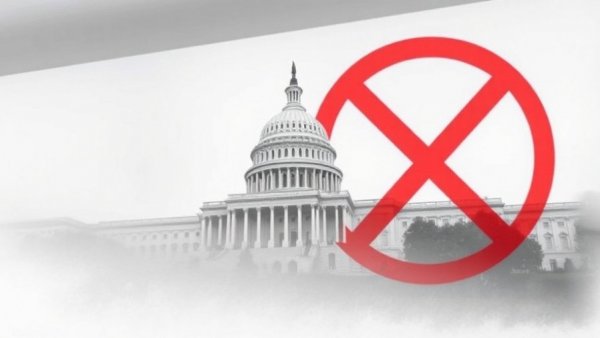
Introduction: Renewed Push for Stock Trading Ban
A recent wave of progressive U.S. House Democrats, including representatives from Pennsylvania, are leading a powerful movement advocating for a ban on congressional stock trading. This initiative is not merely an abstract transaction issue; it reflects a demand for accountability and ethics in government, a concern raised fervently by many constituents. They argue that the potential for conflict of interest looms large when lawmakers can capitalize on insider information. The call for reform is being invigorated as incoming members prepare to take their seats in January, underscoring a shift in legislative priorities.
The Case for a Ban: Insight from Leading Advocates
At a press conference on Capitol Hill, Representative Adelita Grijalva (D-Ariz.) emphasized the fundamental principles involved, stating, "Members of Congress should not be allowed to enrich themselves by trading stocks." For Grijalva and her supporters, this issue is emblematic of a broader ethical breach. New appointees, like Rep.-elect Mitchell Berman, echo similar sentiments; his election victory over an incumbent who nearly doubled his wealth during his term highlights the potent argument against stock trading practices in Congress. This sentiment is not merely an isolated ideology; it reflects a growing national chorus demanding that elected officials focus on their public responsibilities rather than personal financial gain.
Statistics Highlighting the Problem
Recent data shared by anti-corruption organizations illuminate the magnitude of the issue: members of Congress executed nearly 36,000 stock trades amounting to over $2.1 billion in just three years. Such statistics not only showcase the growing concern but also underline the public's frustration regarding legislators profiting from privileged information, a practice many deem as insider trading. This astronomical figure illustrates a troubling reality: while the average citizen often struggles to balance budgets and deal with rising costs, lawmakers might have access to information that could give them an edge in the stock market, creating a disparity that is hard to justify.
Contextualizing the Advocacy Effort
More than 50 freshmen Democrats have joined a pledge through the Public Integrity Project to outlaw congressional stock trading, with additional commitments to reject corporate political contributions and abstain from lobbying after their term. This united front marks a significant shift within the Democratic Party and highlights the grassroots demands for transparency and integrity. Pennsylvania’s own Rep.-elect Chris Deluzio is part of this movement, stressing the need to ensure that representatives are held accountable for their financial activities. Such local involvement emphasizes the direct connection between national policy issues and the lives of Pennsylvanians.
Previous Legislative Efforts: What’s Been Proposed?
In previous sessions, legislation aimed at banning stock trading was proposed but met roadblocks, most notably from Senate Democrats who criticized the legislation for insufficient safeguards against potential loopholes. The complexity of this issue is compounded by the political climate in Congress, where overlapping agendas can stall what seems like a straightforward reform. Notably, the bill was tied to unrelated reforms, which complicated its passage. The message coming from the newly elected Democrats, however, is clear: they are undeterred and ready to put forth a renewed effort to see this ban implemented from day one! Their commitment indicates a willingness to prioritize ethical governance over party politics.
A Grassroots Movement: Engaging Constituents
The resistance against congressional stock trading resonates deeply within communities across Pennsylvania. As constituents express their frustration, the newly elected representatives are tapping into a swirling current of public sentiment. Constituents like Berman, tired of seeing pharmaceutical prices skyrocketing while their lawmakers prosper, are drawing a direct link between legislative practices and everyday challenges faced by citizens. This interaction reinforces the need for lawmakers to listen and act in alignment with their constituents’ values. Moreover, it serves as a potent reminder that the effectiveness of democracy hinges on accountability between elected officials and the communities they represent.
A Broader Dialogue: Ethical Governance Beyond Stock Trading
The push for a stock trading ban also invites broader discussions about how lawmakers engage with corporate money in politics, reflecting a growing desire among voters for ethical governance. This discourse aligns with calls to overturn the Citizens United decision, which many believe exacerbates the influence of money in politics. The implications of such a turn extend beyond just stock trading; they touch upon campaign finance reform, lobbying practices, and the very nature of representation in Congress. By prioritizing ethical standards, Pennsylvania's new cohort aims to foster a fresh political culture that prioritizes the needs of residents over corporations. This shift could help rebuild trust in governmental institutions and lead to more effective policy-making that genuinely reflects the population's needs.
Future Considerations: Will the Ban Pass?
As Congress gears up for the 120th session, the success of this proposed stock trading ban remains uncertain. The environment is ripe for change, with a supportive constituency and a determined group of elected officials advocating for reform. However, the challenge lies in navigating the intricate political landscape that could hinder or support these efforts. Understanding the implications of such a ban could reshape the dynamics of political accountability and represent the values residents of Pennsylvania and across the nation hold dear. The act of demanding transparency is becoming increasingly vital as citizens expect their representatives to act in the public interest, not for personal gain.
Conclusion: A Call for Transparency and Accountability
The movement spearheaded by new Democratic members marks a crucial turn towards greater transparency and accountability in government. As these politicians seek to unite against stock trading practices, they are not only striving for reform; they are engaging deeply with the communities they serve. With midterms ahead, residents should remain informed and engaged, urging their representatives to prioritize ethical governance and to act against policies that erode public trust. By advocating for a ban on congressional stock trading, Pennsylvania residents gain a clearer understanding of the intersection of politics and ethics, sharpening their ability to demand accountability from their elected officials. It is a movement that, if successful, could redefine the relationship between lawmakers and their constituents for years to come.





Write A Comment