


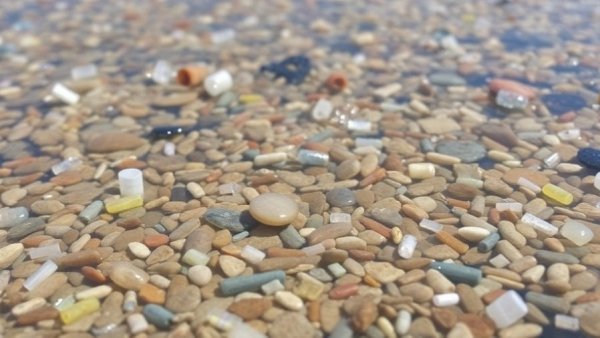
The Alarming Presence of Microplastics in Chesapeake Waters
Recent findings from Environment America reveal an unsettling reality for the Chesapeake Bay watershed. In a study spearheaded by citizen scientists, the group collected water samples from 15 different locations across the watershed—including multiple sites in Maryland—and discovered microplastics at every tested site. The evidence points to a pervasive issue that, while it may seem distant, is knocking at the front doors of local communities.
“Plastic pollution is pervasive, and it’s a danger that’s not just out there in some patch across the ocean,” warned Alice Volpitta, Baltimore Harbor waterkeeper. The findings are not just alarming for environmentalists; they emphasize the necessity for lawmakers in Maryland to take action against plastic pollution. This persistent threat to our ecosystems underscores the urgency of not only recognizing but also addressing plastic pollution right here at home.
Understanding Microplastics: The Small but Mighty Threat
Microplastics, which are defined as plastic pieces less than 5 millimeters in size, pose significant challenges for cleanup efforts. Unlike larger pieces of trash that can be collected easily, these tiny particles slip through the mechanisms employed to clean waterways and thus sneak into the food chain. This was reiterated by Nina Harbison, an associate at Maryland PIRG, who explained how microplastics break down into even smaller components, compounding the issue.
Most troubling is the fact that microplastics can accumulate not only in aquatic ecosystems but also within the human body. Research indicates an association between microplastics and heightened health risks. Some studies have pointed to correlations with increased risks of heart attacks and strokes, particularly in individuals exhibiting symptoms such as plaque buildup in their arteries. As such, the intrusion of microplastics into our health systems has raised serious red flags, warranting further investigation and preventative measures.
The Need for Legislative Action: A Bottleneck in Progress
In light of these findings, local environmental groups stress the urgency for Maryland lawmakers to revisit proposed legislation aiming to combat plastic pollution. Key among these initiatives is a bottle return program designed to incentivize responsible recycling among Marylanders. This initiative, commonly referred to as the “bottle bill,” has been stymied in the General Assembly for the past four years, yet supporters argue that it could dramatically reduce plastic waste and foster a more sustainable approach to consumption.
The bottle bill seeks to establish a system where consumers receive cash refunds for returning beverage containers, thereby encouraging recycling at the grassroots level. Proponents believe that this program could lead to a significant decrease in litter, which currently plagues not only Maryland's waterways but also many urban and rural environments. Furthermore, effective waste management is essential for the health of our ecological systems.
Where Do We Go From Here? Paths to a Sustainable Future
As communities grapple with the findings of this study, it brings to the forefront pressing discussions regarding responsibilities—both for citizens and lawmakers alike. The call to action is clear: if there is no “silver bullet solution” to addressing plastic pollution, incremental policies like the bottle bill could serve as crucial stepping stones towards a more sustainable future.
Moreover, the efficacy of devices such as Mr. Trash Wheel, which has successfully collected 768,000 pounds of debris just in 2025, serves as a reminder that while clean-up efforts are essential, they shouldn’t overshadow preventative measures. As cities like Baltimore confront the challenges of pollution, collaborative projects and supportive initiatives can lead to widespread change.
Engaging the Public: A Collaborative Approach
Interestingly, the success of these initiatives often lies in the hands of community engagement. Increasing public awareness about the pollution crisis and involving local citizens in advocacy efforts can be a powerful tool for change. Educating communities about both the impact of microplastics and the mechanisms to mitigate them fosters a communal responsibility toward the health of waterways.
Public involvement is necessary for meaningful legislation to be enacted and maintained. For residents of Pennsylvania, awareness extends beyond state lines, as pollution in the Chesapeake Bay inevitably affects surrounding waters. Moreover, what residents learn from their neighboring states can help inform their own advocacy and environmental practices.
Ultimately, effective communication about these environmental issues must be prioritized. Encouraging action among local communities may lead to innovative ideas and strategies that help tackle this growing concern collaboratively, amplifying the voices of those who care about their environment.
Stepping Towards Change: What You Can Do Today
Residents are encouraged to actively participate in advocacy efforts and stay informed about local environmental initiatives. By supporting local legislative measures aimed at reducing plastic use and urging officials to prioritize the introduction of the bottle bill, communities can play an essential role in fostering sustainable practices. Taking responsible personal actions, such as recycling and reducing plastic usage, also contributes significantly to larger change.
Microplastics are a challenging yet surmountable issue. With sustained efforts from citizens, lawmakers, and advocacy groups, solutions can ultimately emerge. Every small action can accumulate into a larger movement, reflecting the collective will to protect our waterways.
Keep the conversation going, involve your neighbors, and know that your voice matters. As individuals, we have the power to influence our communities and, by extension, the environment. Commit to making changes, promote awareness, and together we can create a healthier Chesapeake Bay and a cleaner future for all.





Write A Comment