
Add Row
Add Element
Pennsylvania Daily LIfe
update
Mike Sweeney
update
Add Element
  • Home
  • Categories
    • Wellness
    • Travel
    • Lifestyle
    • News
    • Health
    • Pennsylvania News
    • Financial
    • Home Living
    • Featured
August 19.2025
3 Minutes Read

Mastering Hydration During Sweaty Summer Workouts: Essential Tips

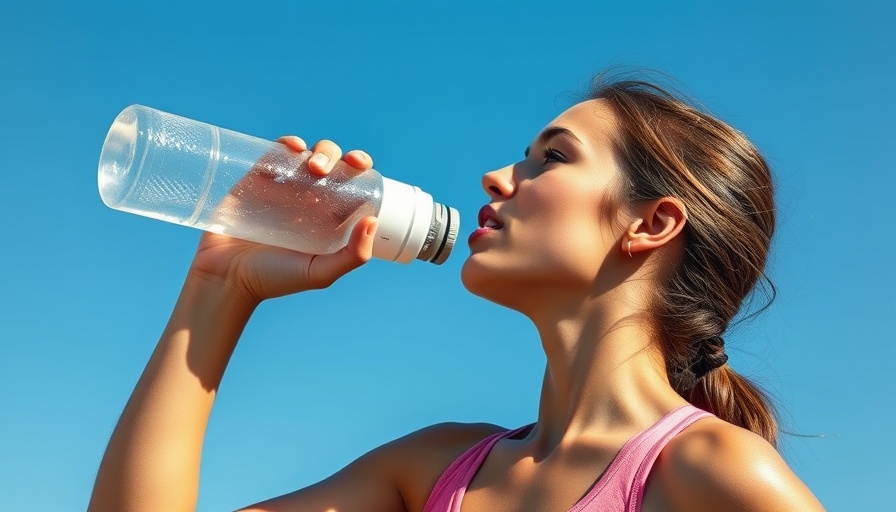
Young woman staying hydrated during hot summer workout

Why Proper Hydration Matters in Hot Weather

As summer temperatures soar and outdoor activities become more enticing, staying hydrated remains a crucial aspect of maintaining health and wellness. When engaging in hot, sweaty workouts, the body's need for hydration increases significantly. Dehydration can lead to fatigue, dizziness, and decreased performance, making it essential for everyone, especially women who juggle many responsibilities, to prioritize their water intake. Understanding the signs of dehydration and how much water you need during workouts can make a world of difference.

Signs You Might Be Dehydrated

Learning to recognize the initial symptoms of dehydration can help you prevent more serious complications. Common signs include dry mouth, headache, fatigue, and dark-colored urine. If you're exercising intensely, you might also notice muscle cramps or feelings of lightheadedness. Women, in particular, can be more susceptible to dehydration due to a variety of factors, including hormonal changes and lifestyle demands. So, remaining vigilant about your body's signals during summer activities is essential.

Effective Hydration Strategies for Outdoor Workouts

One of the best approaches to hydration is to drink water consistently throughout the day, rather than guzzling down a large amount just before or after your workout. Aim for at least 8 glasses of water daily, but this can vary depending on your level of activity and the heat. If you're exercising outdoors, a good rule of thumb is to drink about 16 to 20 ounces of water at least two hours before your workout and another 8 to 10 ounces right before you head out. During vigorous exercise, try to sip fluids every 20 minutes. For longer sessions or particularly hot days, consider sports drinks that replenish lost electrolytes.

The Role of Electrolytes

While plain water is often sufficient, integrating electrolytes into your hydration strategy is beneficial, especially for lengthy workouts. Electrolytes like sodium, potassium, and magnesium help maintain fluid balance and muscle function. Endurance activities that last over an hour often deplete these vital nutrients, leading to muscle cramps and sluggish performance. Look for electrolyte-infused drinks or consider natural options like coconut water or homemade smoothies for refreshing hydration.

Hydration Tips Just for Women

Women may face unique hydration challenges, such as hormonal fluctuations that can influence fluid retention and loss. Special attention should be given to hydration during menstrual cycles, as women may lose more fluids during this time. It's imperative to subtly increase your water intake during these periods, alongside a balanced diet rich in fruits and vegetables, known for their high water content.

Preparing for Outdoor Activities

Before heading out for your workout, consider pre-hydration strategies. This includes consuming water-rich foods such as watermelon, cucumbers, and oranges, which not only contribute to your daily water intake but also offer necessary vitamins and minerals. These foods can keep you feeling refreshed while providing the energy you need for your activities.

Creating Community Connections

Hydration isn't just a personal responsibility; it can also be a community effort! Encouraging friends, family, or workout groups to share hydration tips and reminders can foster a supportive environment. Group activities, like morning runs or yoga sessions in the park, can be enhanced by ensuring everyone brings a water bottle and committing to regular hydration breaks.

Future Fitness Trends: Focus on Hydration

As the health and fitness industries evolve, we're seeing a trend towards personalized hydration solutions, including apps that help track water intake and remind users when it's time to drink. Future innovations may also focus on wearable devices that monitor hydration levels through sweat analysis, providing valuable data for optimal performance during workouts. Staying informed about these developments can empower women to make proactive decisions about their hydration.

Actionable Steps to Hydrate Properly

In conclusion, hydration is not just about drinking water but also about understanding your body's unique needs, especially during the hot summer months. Embrace proactive hydration practices by setting daily water intake goals, choosing hydrating foods, integrating electrolytes when necessary, and fostering supportive hydration habits in your community. As you embark on your outdoor summer workouts, prioritize your hydration and watch how it enhances your energy levels and overall performance.

Ready to dive into a healthier, more hydrated season? Start today by setting a water intake goal and commit to staying refreshed and active. The benefits to your workouts, wellness, and social connections are sure to follow!

Lifestyle

1 Views

0 Comments

Write A Comment

*
*
Related Posts All Posts
12.14.2025

Avoid Making These Nutrition Mistakes for a Healthier Gut Microbiome

Update The Importance of Gut HealthOur gut microbiome is more than just a series of bacteria living in the digestive tract; it's a dynamic ecosystem that plays a crucial role in our overall health. Comprising up to 100 trillion microbes, this vibrant collection of organisms works tirelessly to regulate everything from digestion to immunity and even mental health. Numerous studies have revealed that the balance of these microbes can significantly affect our well-being, influencing conditions such as obesity, diabetes, and even mood disorders. It's no wonder that maintaining a healthy gut microbiome is increasingly seen as integral to living a vibrant life.Avoid These Common MistakesDespite this vast knowledge, many of us unknowingly sabotage our gut health with common dietary habits. Here are the key mistakes to avoid:Sticking to a Monotonous Diet: Eating the same foods repeatedly limits microbial diversity in the gut, which is essential for robust health. Just as a garden thrives with a variety of plants, our microbiome flourishes when fed a diverse range of nutrients.Relying on Processed Foods: The additives often found in processed foods—such as carboxymethyl cellulose—can disrupt the natural balance of gut bacteria. By prioritizing whole foods like fruits, vegetables, and legumes, we can nourish beneficial gut flora while keeping harmful bacteria at bay.Drinking Too Much Sugar: Sugary beverages can lead to dysbiosis, reducing microbial diversity and increasing inflammation. Switching to water or herbal teas can make a world of difference.Not Consuming Enough Fiber: Fiber is vital for feeding the good bacteria in our gut. Aim for a mix of high-fiber foods from various sources—like oats, legumes, and whole grains—to properly nourish your gut.Shying Away from Prebiotic Foods: Foods like bananas, garlic, and onions provide the prebiotic fibers that promote healthy gut bacteria growth, so incorporating these into meals is essential.Being Overzealous with Probiotics: While probiotics can support gut health, relying too heavily on them without a foundation of healthy dietary habits is counterproductive. Think of them as a complement, not a substitute for a balanced diet.Benefits of a Healthy Gut MicrobiomeUnderstanding the importance of a balanced microbiome illuminates why avoiding these common errors matters. A diverse gut ecosystem can enhance digestion, improve nutrient absorption, boost the immune system, and even regulate mood.Making Positive ChangesAs we journey towards better gut health, it’s essential to incorporate actionable strategies:Eat a Variety of Whole Foods: Introduce different fruits, vegetables, legumes, and grains into your meals to provide a rich array of nutrients for your gut flora.Stay Hydrated: Water is crucial not just for digestion but also for maintaining the microbiome's health.Exercise Regularly: Physical activity improves microbial diversity, leading to enhanced gut health.Manage Stress Levels: Chronic stress can negatively impact gut bacteria; consider activities such as yoga or mindfulness to alleviate pressure.Why This Matters for WomenFor many women juggling families, work, and personal commitments, understanding how gut health affects overall well-being is especially beneficial. A balanced microbiome can lead to improved energy, greater resilience against stress, and a fortified immune system, directly impacting productivity and family life. As women often prioritize the health of their loved ones, it’s vital to remember that nurturing oneself is equally important.ConclusionPoor gut health can lead to a slew of problems, but with a few mindful changes, it's possible to create a nurturing environment for your microbiome. By avoiding these common dietary pitfalls and embracing a more diverse, nutrient-rich diet, you can ensure that your gut—and, by extension, your health—thrives.

12.13.2025

Empower Your Aging Journey: Understanding Musclespan and Its Benefits

Update Unlocking Musclespan: A Unique Metric for Better Aging In today's fast-paced world, longevity has evolved from merely counting years lived to embracing a quality of life filled with health and strength. Enter 'musclespan,' a term coined by Dr. Gabrielle Lyon that highlights the vital role muscle health plays in how we age. Musclespan refers to the "length of time that you live with healthy skeletal muscle," which has a profound impact on our overall health and longevity. The Relationship Between Muscle and Longevity Research has shown that maintaining muscle strength not only enhances mobility but also critically lowers the risk of age-related diseases such as heart disease and certain cancers. Studies suggest that individuals engaging in strength training and who display solid grip strength tend to have a significantly lower mortality risk. This is especially crucial for women, who typically start to lose muscle around the age of 40 and experience even greater declines during menopause due to hormonal changes. Why Muscle Matters: The Scientific Backing Muscle serves multiple functions beyond aesthetics. Firstly, it acts as a metabolic organ that regulates various bodily processes by storing glucose and breaking down fats. Dr. Lyon explains that active muscles produce myokines—hormone-like substances that enhance metabolism and reduce inflammation. This metabolic function is essential; lower muscle mass often correlates with increased risks of chronic diseases and overall mortality. The Risks of Muscle Loss: A Wake-Up Call for Women With hormonal transitions during menopause, many women find it harder to maintain muscle mass, which can lead to a downward spiral of decreased mobility, increased injury risk, and heightened susceptibility to chronic illness. Dr. Nathan LeBrasseur emphasizes that preserving muscle function is crucial as it directly influences quality of life. Losing the ability to perform daily activities with ease can result in social withdrawal, cognitive decline, and ultimately, reduced lifespan. How to Measure Your Musclespan Assessing your musclespan is crucial for understanding your muscle health. Simple tests can gauge your strength: Chair Stand Test: Measure how quickly you can sit and stand from a chair five times. A time under 10 seconds is generally expected for those under 40. Grip Strength Measurement: Using a dynamometer, track your grip strength, which serves as a general indicator of overall health. Daily Functionality: Reflect on daily activities—if you find basic tasks challenging, it may signal a need for strength training. Building and Maintaining Your Musclespan Improving your musclespan is achievable at any age. Begin incorporating a consistent strength training routine into your lifestyle. Experts recommend two to three sessions a week focusing on major muscle groups. Start conservatively with bodyweight exercises, then progress to using weights or resistance bands as your strength increases. Additionally, it’s essential to ensure adequate protein intake—Dr. Lyon recommends around 100 grams a day—to support muscle development. The Role of Nutrition and Recovery in Musclespan Nutrition plays a fundamental role in muscle health. Women especially need to focus on consuming sufficient protein to support muscle repair and growth. Furthermore, sleep is vital for muscle recovery, as hormones that facilitate muscle restoration peak during sleep. Therefore, balancing your workout routine with proper nutrition and adequate rest is key to effectively increasing your musclespan. Your Journey to Enhanced Musclespan With the right insights and tools, women can significantly improve their musclespan and enjoy a healthier aging process. Whether it’s incorporating strength training into your week or focusing on a protein-rich diet, every little effort counts toward better longevity. Remember, a strong muscle base not only enhances physical independence but also fosters overall well-being. Embrace this journey, as muscle truly gives you the freedom to live life to the fullest!

12.12.2025

Unlock the Secrets of Fermented Foods to Boost Gut Health

Update Discover the Benefits of Fermented Foods for Gut Health Fermented foods have been celebrated for centuries in various cultures around the world, offering a treasure trove of health benefits that are finally gaining recognition in the United States. Despite being late to the party, the growing interest in these nutrient-rich items is transforming our understanding of gut health and nutrition. Not only do fermented foods enhance digestion, but they also request our attention due to their role in supporting overall health. The Gut Microbiome and Its Role Your gut microbiome is home to trillions of microorganisms, positively influencing your digestive health. Consuming fermented foods introduces beneficial bacteria, known as probiotics, into this intricate system. Dr. Amy Burkhart, an expert in gut health, emphasizes that these microorganisms can strengthen the gut lining, reduce inflammation, and improve nutrient absorption. The implications extend beyond digestion, affecting aspects such as mood and cognitive function. Top Fermented Foods to Incorporate So, which fermented foods should you consider adding to your diet? Here are some favorites that pack a probiotic punch: Yogurt: Opt for plain, unsweetened varieties with "live cultures" on the label. This creamy delight not only aids digestion but may also help manage IBS symptoms. Kimchi: This spicy Korean dish is rich in vitamins and can enhance gut health through its diverse probiotic content. Kefir: A tangy fermented dairy beverage, kefir contains more strains of beneficial bacteria than yogurt, making it a versatile gut health ally. Sauerkraut: This fermented cabbage dish is a staple in many diets, providing both probiotics and essential nutrients. Look for raw versions to ensure you're getting the full benefit. Kombucha: A fizzy drink made from fermented tea, kombucha's popularity continues to rise thanks to its refreshing taste and potential health perks. Understanding the Fermentation Process Fermentation itself is a process that transforms foods into more digestible and nutrient-rich options. Friendly bacteria break down sugars, producing acids and gases that can enhance flavor while simultaneously making nutrients more accessible to the body. Think of it as nature’s way of boosting the nutritional profile of your food! Demystifying Common Misconceptions Some individuals may express caution regarding fermented foods, perhaps due to potential digestive discomfort or fears surrounding unpasteurized options. However, many varieties retain their health benefits even after pasteurization, and when prepared correctly, home-fermenting can be a fun and rewarding experience. Incorporating Fermented Foods into Your Daily Routine Integrating fermented foods into your daily meals doesn’t have to be daunting. Starting small can ease the transition—try adding yogurt to your breakfast, snacking on sauerkraut or kimchi, or mixing kefir into smoothies. Each small step can contribute to a healthier gut in the long run. Emotional Connection to Fermented Foods Sharing fermented food traditions can also kindle a sense of community. Whether it's enjoying a homemade kimchi dish with family or exploring a local farmers' market for fresh yogurt, these moments help foster connections and celebrate cultural diversity. Final Thoughts: Embrace the Fermented Revolution! As women lead the charge towards healthier lifestyles, embracing fermented foods can be an empowering step towards improved gut health. The journey into fermentation is not only beneficial for our physical well-being but also fosters personal and communal ties. So don’t hesitate—experiment with these delicious foods, and your gut will surely thank you! Call to Action: Ready to boost your gut health? Start incorporating one or two fermented foods into your meals this week and observe the positive changes in your digestion and overall wellness. Share your experiences with friends or family to inspire them toward this healthful journey!

Terms of Service

Privacy Policy

Core Modal Title

Sorry, no results found

You Might Find These Articles Interesting

T
Please Check Your Email
We Will Be Following Up Shortly
*
*
*