


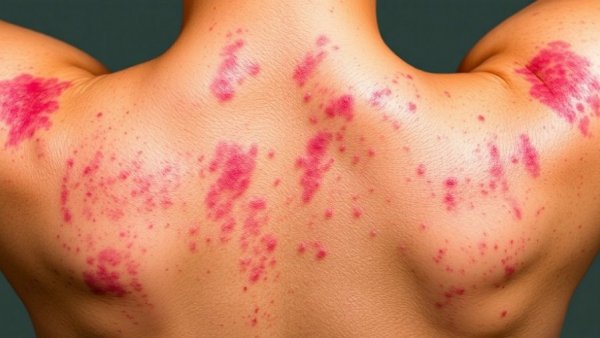
Understanding Psoriasis: More Than Just Skin Deep
Psoriasis is a condition that many recognize for its unmissable symptoms: red, scaly patches on the skin. However, what lies beneath the surface reveals a far more complex health consideration. Often categorized as a chronic, immune-mediated disease, psoriasis not only affects individuals physically but also carries significant implications for mental health and overall wellness. For those navigating this condition, raising awareness and promoting timely treatment could be pivotal in managing both the visible and hidden impacts of this disease.
The Underlying Causes of Psoriasis
At its core, psoriasis occurs when skin cells renew at an accelerated rate due to an overactive immune response. While it classically appears on elbows, knees, the scalp, and lower back, its reach can extend to various body parts, including the face and fingernails. This unpredictable nature can lead to emotional distress, making the experience of living with psoriasis even more challenging. With no known cure, effective treatment options can significantly manage symptoms and improve the quality of life for those affected by this chronic condition.
The Hidden Mental Toll of Psoriasis
One of the biggest misconceptions about psoriasis is categorizing it strictly as an aesthetic issue. The reality is starkly different; many individuals suffering from psoriasis also grapple with serious psychological effects, including anxiety, depression, and diminished self-esteem arising from the visibility of their symptoms. Research indicates that stress can exacerbate flare-ups, creating a detrimental cycle where distress feeds the condition, resulting in further skin issues. It’s essential for patients to have strong support systems and resources at their disposal to navigate both their physical and mental health effectively.
Recognizing and Diagnosing Psoriasis
Due to overlapping symptoms with conditions such as eczema and fungal infections, psoriasis can be misdiagnosed, leading to improper management. Therefore, it's crucial for individuals to seek a thorough evaluation from a healthcare professional, ideally a dermatologist, when encountering persistent skin issues. Early diagnosis is essential and can prevent complications including psoriatic arthritis, which presents painful joint symptoms that complicate everyday movements and activities. This is especially important for women, who may prioritize family and work, often neglecting their health needs in the process.
Treatment Pathways: Tailored Approaches for Each Patient
Treatment for psoriasis is highly individualized, depending on the severity of the disease and the patient’s medical history. Mild cases often respond well to topical medications like corticosteroids or vitamin D derivatives. For those with more severe forms, phototherapy or systemic drugs may be necessary. Recently, advancements in biological therapies that specifically target immune pathways—such as TNF-alpha and IL-23—have transformed the treatment landscape. During consultations, patients are encouraged to discuss their experiences with different medications to find what truly works for them, reinforcing the importance of a collaborative approach between patients and healthcare providers.
Real Success Stories: Transforming Lives Through Treatment
We recently treated over 50 patients grappling with severe psoriasis, some who were resistant to conventional treatment. Each individual showcased notable improvements in their skin condition and overall life satisfaction, demonstrating that targeted therapies coupled with personalized care strategies create tangible benefits for those affected. For many patients, these treatments do not just clear skin but also help restore confidence, improve relationships, and enhance overall quality of life. These stories serve as powerful reminders of the importance of seeking appropriate treatment and never losing hope.
Integrating Holistic Care: Beyond Just Medication
Effective psoriasis management should extend beyond medical treatments, encompassing lifestyle factors that impact overall wellbeing. Regular cleansing of the skin, frequent moisturizing to combat dryness, maintaining a nutritious diet rich in anti-inflammatory foods, and engaging in physical activities can enhance treatment outcomes. Stress management strategies are also critical, as recognizing personal triggers—especially stress and skin injuries—can significantly reduce flare-ups. Practices such as yoga, meditation, and deep-breathing exercises can be great assets in a patient’s arsenal, helping them maintain emotional balance amidst challenges.
Breaking the Stigma: Embracing Education and Awareness
Addressing the stigma surrounding psoriasis is equally vital. Societal misconceptions contribute to undue stress for those with the condition, often leading to isolation. Educating the public about psoriasis as a non-contagious condition and one that isn't related to hygiene plays a crucial role in empowering patients to seek help and support. Local community events and support groups can provide invaluable networks for sharing experiences and resources, fostering a sense of belonging and understanding among individuals facing similar struggles.
Looking Ahead: A Holistic Future for Psoriasis Care
As we advance in treatment strategies, the future of psoriasis care rests on the integration of targeted therapies with a holistic approach to patient health. This means moving beyond simply achieving clear skin—treatment should also encompass addressing health-related issues, emotional well-being, and facilitating daily activities. A supportive community can foster connections that encourage individuals to share both challenges and victories in their journeys through psoriasis.
In closing, if you or someone you love is dealing with psoriasis, consider discussing these insights with a healthcare provider. Embracing a comprehensive treatment approach could be the key to reclaiming not just clear skin, but also a fulfilling life. Let’s work together to diminish the stigma and support those navigating this complex condition. Remember, you’re not alone in this journey, and there are pathways to healing that encompass both body and mind, ultimately leading to a brighter, healthier future.





Write A Comment