


The Impact of Medicaid Work Rules in Times of Crisis
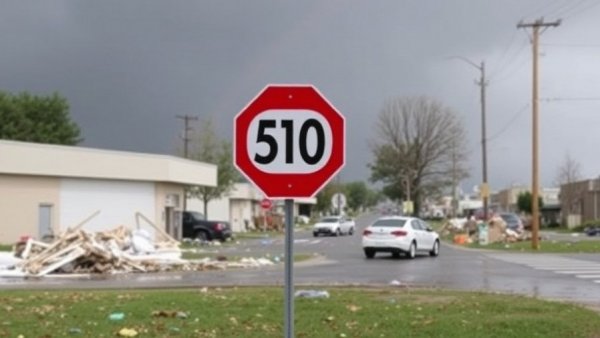
In the wake of Hurricane Lowell, the devastating effects on Kauaʻi's economy have been starkly evident. The island's business landscape transformed abruptly, leaving many residents grappling with unemployment and the looming threat of losing essential health coverage through Medicaid. As reported, unemployment claims skyrocketed, reflecting the harsh reality of a community trying to rebuild. The sharp increase in claims serves as a reminder of how quickly circumstances can shift.
Understanding Medicaid's Role
For many families, Medicaid represents not just a safety net but a lifeline. This federal-state program provides crucial healthcare coverage to those with low incomes or disabilities. Many Island residents rely on it for necessary medical services that contribute to their overall well-being. However, recent changes under the One Big Beautiful Bill Act have introduced stringent work requirements that could exacerbate difficulties for families in disaster-struck areas. The mandate for nondisabled adults to work, volunteer, or attend school for at least 80 hours per month has raised alarm among advocates and patients alike, especially in light of the natural disaster's aftermath.
A Closer Look at the Changes
The recent legislation has created a paradox: while emergencies like Hurricane Lowell increase the number of Medicaid applicants, the new work rules could jeopardize their eligibility. Especially in regions like Kauaʻi that rely heavily on tourism, many workers find themselves in precarious situations, with limited job opportunities and the uncertainty of returning employment. These individuals may not have stable job opportunities to meet the 80-hour requirement during recovery. According to analysis by state officials, those dependent on Medicaid but unable to find work due to such disasters may face significant barriers to maintaining their healthcare coverage, which can lead to dire consequences for their health.
Exemptions: A Temporary Relief?
Although the federal law does provide for some exemptions in disaster situations, the uncertainty surrounding how long these can be accessed remains troubling. Without clear guidance, families like that of Rochelle Ganotisi have to navigate these ambiguous waters, uncertain whether their impending situations will qualify them for necessary exemptions. The nuances of these exemptions highlight a complex web of bureaucratic requirements that often fail to consider the urgent needs of those impacted by disasters. It makes one wonder—can preventive measures be implemented to immediate effect in crises like these?
A United Call for Action
As healthcare advocates urge for swift actions, key figures like Hawai‘i's Gov. Josh Green stress the urgency of timely disaster declarations. Without these declarations, thousands risk losing the health benefits they depend on. "It would be devastating if suddenly 40,000 or 50,000 people didn’t have their Medicaid benefits," he recently stated, emphasizing that the repercussions may extend beyond immediate health implications. The challenge lies in the execution: how can the government ensure that those affected by such disasters are supported when they need it most? Quick adaptations and clear communication could play pivotal roles in alleviating the struggles many families face during recovery.
The Broader Context: National Trends in Medicaid
Hawaii's predicament is part of a broader national concern around Medicaid eligibility amid increasing economic pressures. Reports indicate that at least 34 states are expected to adopt hardship exemptions for work requirements. However, states like Indiana and Ohio have opted out, potentially putting their residents at further risk during disaster recovery phases. It's pertinent to consider whether these work rules are being enforced equitably across the nation or if they further entrench vulnerabilities in times of need. This ongoing dialogue about Medicaid poses questions not just of policy, but of humanity—how do we prioritize the health and well-being of citizens in distress?
On the Ground: Real Stories, Real Impact
Rochelle's story is just one among many. Families facing similar circumstances are left to make difficult choices—continuing part-time work versus applying for a Medicaid plan that may not fully meet their needs. The struggle extends into the home, where concerns about healthcare access can lead to increased stress and anxiety among family members. Reflecting on how this impacts the lifestyle and well-being of affected residents emphasizes the need for systemic changes. Many affected professionals, like those in hospitality, must navigate an uncertain job market, creating a cycle of instability. These personal stories illustrate the human side of administrative decisions, reminding us that behind every statistic are individuals and families fighting to regain their foothold.
Looking Ahead: Navigating Challenges
The continued support for families facing such pressures hinges significantly on policymakers who prioritize health over bureaucratic hurdles. With the federal government’s focus shifting on how Medicaid can function, it’s essential to ask if current structures allow for expedited support in emergencies. A focused discussion around adaptable policies that consider local conditions is critical. Can we envision a Medicaid landscape that assures health security in crises? Policymakers must take note of the pressing need for flexible approaches that can quickly mobilize resources and support when communities are struck by disasters.
These ongoing discussions are vital as they outline how legislation can be made more resilient in times of personal and environmental upheaval. Advocacy for flexible policies could alleviate fears of lost health insurance when communities struggle to recover, enhancing not just physical health but overall family well-being. Together, these voices can push for transformative change, providing a brighter future for all families affected.
Final Thoughts: Your Health Matters
It's crucial for individuals and families in the community—parents, seniors, and business owners alike—to stay informed about their healthcare options, especially in challenging times. Engaging with legislators, understanding benefits, and advocating for responsive policies can create pathways to better healthcare. The resilience of communities heavily relies on awareness and action within these evolving narratives. Empowering oneself and others to speak up about healthcare needs creates a chorus of advocates that can influence meaningful change.




Write A Comment