
Add Row
Add Element
Pennsylvania Daily LIfe
update
Mike Sweeney
update
Add Element
  • Home
  • Categories
    • Wellness
    • Travel
    • Lifestyle
    • News
    • Health
    • Pennsylvania News
    • Financial
    • Home Living
    • Featured
July 03.2025
3 Minutes Read

House GOP Faces Major Hurdles in Passing the 'Big, Beautiful Bill'

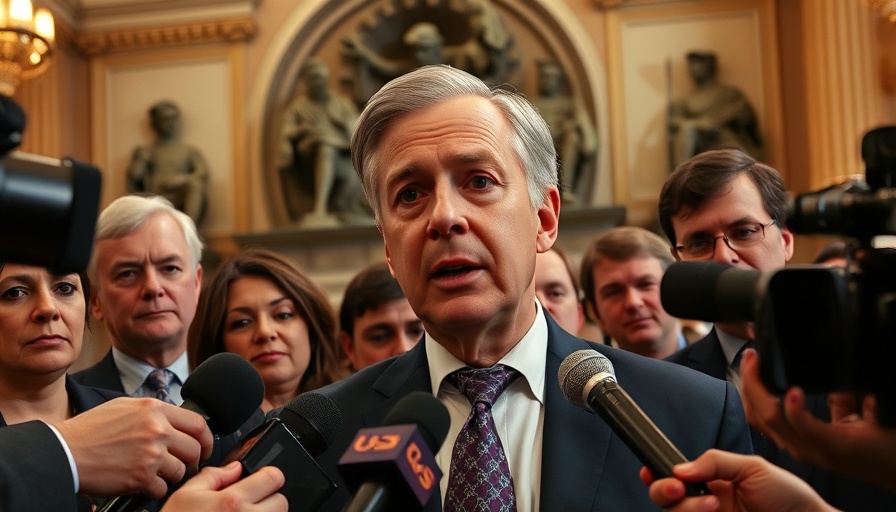
House GOP struggles to advance megabill as politician addresses media

House GOP's Big Bill Faces Internal Struggles

The dreams of a sweeping legislative package are faltering as the U.S. House Republicans confront internal strife. The proposed "One, Big, Beautiful Bill Act" designed to bundle tax breaks and spending cuts has clearly sparked division among party members. Initially boasting bipartisan support, the bill now faces resistance from the influential House Freedom Caucus, prompting significant procedural delays and raising questions about the future of GOP unity.

Insight into Party Dynamics

Speaker Mike Johnson’s optimism about passing this comprehensive bill seems to misalign with the rising dissent from within his party. With hard-right Republicans such as Freedom Caucus Chairman Andy Harris openly opposing certain provisions, Speaker Johnson is left to navigate a complex landscape of conflicting priorities and preferences. Reporting from various Capitol Hill observers indicates that several GOP members are unclear about where leadership stands on critical issues, leaving the bill's fate teetering on the edge of uncertainty.

The Freedom Caucus Discontent

The Freedom Caucus’s pushback against the bill revolves mainly around controversial immigration measures and the removal of clean energy tax credits. They assert that these changes are fundamentally at odds with their values, emphasizing a belief that conservative principles cannot be compromised even for the sake of progress. Their concerns are compounded by analysis from the Congressional Budget Office indicating the proposed legislation would increase the deficit by approximately $3.4 trillion over the next decade. Such findings exacerbate fiscal conservatives' fears that the party is straying from its mandate of fiscal responsibility.

Public Interest and Reactions

As discussions unfold, residents of Pennsylvania, in particular, are watching closely. With much at stake, the implications of the bill resonate beyond Washington, D.C., affecting local initiatives and funding for programs across the state. Many constituents feel caught between party loyalty and the need for responsible governance, leading to mixed sentiments among the electorate. This bill's journey through Congress could influence voter sentiment and shape the political landscape ahead of the next election cycle.

Anticipating Outcomes and Future Predictions

In the short term, the delay is a clear signal of the internal conflicts within the Republican Party, as the Freedom Caucus remains staunchly opposed to certain stipulations raised in the Senate's version of the bill. If House leaders can effectively negotiate changes to satisfy dissenters or employ strategic promises about future legislation, they could ultimately gather enough votes for passage. Nonetheless, failure to do so might lead to public disappointment and potentially weaken the GOP's standing with constituents who expect a united front.

Lessons from the Current Stalemate

This legislative standoff serves as a case study in how differing agendas can impede collective progress. The importance of flexibility in politics cannot be overstated. As Speaker Johnson highlighted, fulfilling everyone's preferences is an impossible goal. Instead, crafting legislation that respects differing priorities while focusing on the overarching party objectives may be key to success. And as political observers note, failure to find this middle ground could leave enduring scars on the party's cohesiveness.

The Bigger Picture: Beyond the Bill

This struggle is not merely about the fate of one bill; it is a battle for the soul of the Republican Party itself. As factions vie for urgency and influence, it brings to light deeper ideological divides that could reshape the party's platform and future. For average constituents watching on the sidelines, the outcome will have significant implications not just for governance but for how effectively elected officials can respond to the needs of their districts.

Pennsylvania News

1 Views

0 Comments

Write A Comment

*
*
Related Posts All Posts
02.24.2026

Why Toyota Racing Development's Long-Term Deal with Young Driver Matters

Update The Rise of Young Talent in Motorsports In an exciting turn for motorsports, 13-year-old rookie racer Jett Noland is stepping onto the big stage with a significant contract from Toyota Racing Development (TRD). Noland, who has already gained attention in the racing community for his remarkable talent, represents a fresh wave of young individuals breaking into a sport traditionally dominated by older, experienced drivers. This move by Toyota signals a growing trend: investing in young talent and nurturing their development from an early age.In Toyota Racing Development signs 13-year-old to a long-term driver deal, the discussion dives into the future of young talent in motorsports, exploring key insights that sparked deeper analysis on our end. Echoes of the Past: Young Drivers Making History History provides numerous examples of young drivers who have made an indelible mark in the world of motorsports. Legends like Jeff Gordon and Danica Patrick began their careers in their early teens, paving the way for hopeful stars like Noland. By signing talented youngsters, companies like TRD hope to discover the next generation of icons, contributing not only to their own brand but to the entire racing culture. Community Impact of Young Athletes This exciting news has resonated deeply within the Pennsylvania community, particularly among younger racing enthusiasts. Events showcasing young racers not only foster local talent but generate community support and interest in the sport. Local tracks can further engage youth and families by hosting programs and activities centered around motorsports, encouraging young aspiring racers. Noland’s progress offers an inspirational narrative, emphasizing that dedication and talent can indeed lead to significant rewards. Challenges Young Drivers Face While the allure of a racing career is significant, the challenges young drivers encounter can be daunting. Financial pressures often dominate, as families invest considerable resources into equipment, travel, and training. Furthermore, balancing academic responsibilities while pursuing a racing career can become a tightrope walk. Community programs that support young athletes, like those seen in Pennsylvania, can alleviate some of these burdens, offering scholarships or assistance to deserving individuals. The Future of Racing: Opportunities for Young Talent Looking ahead, the future of racing appears bright, especially for youth involved in the sport. Organizations like TRD are not only interested in the immediate results but are also focused on long-term development, creating pathways for aspiring drivers. As established drivers share their insights and experiences, younger talents can better navigate the complexities of the racing world, from technical skill development to media engagement. Inspiration for Local Youth The journey of Jett Noland serves as powerful motivation for the youth of Pennsylvania. Young people seeing someone their age achieving such notable success can spark dreams and aspirations. Community awareness initiatives around this topic are essential in showcasing the importance of support networks for young athletes. Engaging local figures such as coaches, previous racers, and community leaders in conversations about the future of racing can help cultivate a richer environment for aspiring racers. The Broader Message: The Importance of Early Investment Ultimately, the signing of Jett Noland by TRD shines a light on the importance of investing in young talent early. It is not just about winning races; it is about building careers and supporting dreams. By nurturing young talent like Noland, the motorsports community not only strengthens its future but reinforces valuable life lessons about perseverance, ambition, and resilience. As we follow the journey of young drivers and watch them grow, let's reflect on the support we can provide to local athletes pursuing their passions. Whether it’s through community initiatives or simply showing up to support these talents at local events, every action counts. The excitement surrounding young athletes like Noland is just the beginning of a thrilling new chapter in motorsports that we can all enjoy.

02.23.2026

Struggling with Success: Why Some Metal Musicians Dislike Touring

Update The Burden of Success: Why Some Musicians Dislike Touring Mikael Åkerfeldt, the renowned lead singer of progressive metal band Opeth, recently shared his heartfelt sentiments regarding the often glamorized world of music touring. Despite garnering widespread critical acclaim and a loyal fanbase over their three-decade-long career, Åkerfeldt revealed that he finds the experience of touring not only daunting but at times burdensome. Creativity vs. Performance: The Dichotomy of Tour Life In an interview, Åkerfeldt articulated a dichotomy that many artists face: the joy of performing contrasted with the exhaustion of life on the road. "There are aspects that I do like [about touring]. The shows in themselves are the highlight of the day," he admitted, but he also expressed his struggles with insomnia and anxiety, which exacerbate the pressures of a touring schedule. While performing can be exhilarating and fulfilling, Åkerfeldt describes it as a "bit of a curse." The realities of constant travel and the pressure to deliver a perfect performance can overshadow the joy of playing music. A Journey Through Over Sixty Cities: Reflecting on the Touring Experience Since the release of their much-lauded album "The Last Will and Testament" in 2024, Opeth has enjoyed immense popularity. The band, known for its unique blend of progressive and metal influences, has headlined prestigious venues like the Sydney Opera House and Royal Albert Hall. Although these opportunities mark significant milestones in their career, Åkerfeldt reflects on how the incessant nature of touring has dampened his enthusiasm over the years. "It's not necessarily creative work for me anymore; it's just repeating what I've done previously," he noted. Touring as a Necessity vs. Touring for Pleasure Åkerfeldt’s remarks bring to light a fascinating issue: many artists feel a sense of obligation to their fans, crew, and the music industry. Despite his evident discomfort with the demands of touring, Mikael Åkerfeldt emphasizes the responsibility he feels: "If I don’t move, nobody moves." This sense of obligation can weigh heavily on artists who cherish creative expression above all. The pressure to perform often pulls them away from what they love most—creating music. As he puts it, "I love the creative work. I want us to spend more time writing music, as opposed to repeating old music." This yearning for a return to the studio is felt keenly by musicians who grapple with the demanding balance of overshadowing responsibilities and personal passions. The Emotional Toll: How Musicians Cope Åkerfeldt's insights resonate profoundly within the music community, portraying an unfiltered glimpse of the mental health challenges faced by touring artists. Like many in his position, he acknowledged how pre-tour anxiety often manifests in sleepless nights leading up to performances. As Åkerfeldt candidly shared, "A few weeks before a tour start having these stress symptoms... It's related to touring. I certainly hate leaving my daughters and girlfriend." For musicians and fans alike, acknowledging the emotional toll of touring is paramount in fostering a supportive community. Finding Balance: The Continuing Journey of Opeth Despite the challenges, it’s evident that the love for music and the thrill of engaging with fans remain at the forefront of Åkerfeldt's journey. He is determined to balance small tours with periods of local creativity, expressing his desire to devote time to recording and writing music without interruptions from road life. He stated, "I want to spend more time with the creative side of things rather than the touring side." With future projects in the pipeline and a commitment to quality over quantity, Opeth seems poised to continue their artistic evolution. Community Connection: What This Means for Fans As fans passionately root for their favorite artists, understanding the human aspect behind the music can significantly deepen that connection. Åkerfeldt’s revelations remind us that the musicians we admire grapple with similar pressures as we do in our lives. As dedicated fans, supporting their journey involves recognizing their struggles, offering encouragement, and appreciating their creative outputs without added demands.

02.23.2026

Why School Choice Programs Are Gaining Momentum and Funding in 2026

Update Understanding the Rise of School Choice Programs The push for universal school choice programs is reshaping the educational landscape across the United States, particularly in states like Pennsylvania where taxpayers find themselves at the center of an increasingly heated debate. Proponents argue these programs provide necessary alternatives to underperforming public schools, while critics express concerns regarding their long-term funding implications on public education. The Funding Landscape: Growing Costs and Impacts Currently, states are being prompted to significantly increase funding for school choice initiatives. For instance, Alabama Governor Kay Ivey's efforts to boost funding from $180 million to $250 million displays the urgency among states to accommodate skyrocketing demand. With more than 36,000 students applying for 14,000 spots in Alabama's new program, it's clear that many families are eager to gain choice in their children’s education. This surge in interest follows the broader trend noted by FutureEd, indicating that at least 17 states will embrace universal programs by the next school year, opening avenues for nearly half of the nation’s students. Oklahoma is similarly ramping up efforts, as Governor Kevin Stitt seeks to eliminate budget caps on scholarship programs after a shortfall led to 5,600 students being turned away previously. In Tennessee, Governor Bill Lee's proposal to double funding for a program with a 34,000-student waitlist underlines the significant stakeholder interest in these programs. Coalition of Supporters: Diverse Perspectives The push for school choice is notably backed by lawmakers from a variety of states. Andrew Handel from the American Legislative Exchange Council identifies the education savings account (ESA) model as providing optimal flexibility for parents. Handel asserts, "The best states are where the funding for those school choice programs is tied directly to their state education formula. That ensures that no matter how many families apply, you’re always going to have the money there.” Proponents like Handel argue that this fiscal strategy can empower parents. Voices of Dissent: Concerns from Public Education Advocates Despite the rapidly growing support for these programs, there are powerful voices of dissent. Arizona's Democratic Governor Katie Hobbs has criticized the universal program initiated by her Republican predecessor. Describing it as an “entitlement program” that squanders taxpayer resources without accountability, Hobbs advocates for a return to a more controlled state of funding, focused explicitly on students with disabilities and military families. This perspective raises the critical question about the sustainability of such programs amid tightening budgets and burgeoning demands. Future Predictions: What to Expect Going Forward As school choice programs continue to expand, it remains to be seen how they will impact not only educational quality but also the budgetary allocations for public education. The increasing divide between pro-school choice and those in opposition will likely lead to legislative battles at both state and federal levels. The true test of these programs will be their ability to deliver on the promises of better educational outcomes while maintaining adequate funding for public schools. Why This Matters to Pennsylvanians For residents of Pennsylvania, the implications of these programs are profound. School choice could provide new opportunities for students currently trapped in failing educational environments, thus reshaping the fabric of local education. However, as taxpayers, residents are also stakeholders who must consider the long-term ramifications on funding for their local public education systems. Making Informed Decisions: A Call to Action for Educators and Parents As school choice becomes an increasingly pressing issue, it’s essential for parents, educators, and policymakers alike to engage in the conversation and make informed choices. Understanding the benefits and challenges will be crucial in navigating this evolving landscape, ensuring the best outcomes for children and communities. Consider discussing these issues in local forums or reaching out to the education department to understand how the shifting educational landscape could affect your family’s options. Ultimately, engaging in who gets to decide the future of education is crucial. The growing shift towards school choice may signal new educational opportunities, but awareness and active participation will ensure that all voices—proponents and critics alike—are heard in the policy-making process.

Terms of Service

Privacy Policy

Core Modal Title

Sorry, no results found

You Might Find These Articles Interesting

T
Please Check Your Email
We Will Be Following Up Shortly
*
*
*