Add Row
Add Element
Pennsylvania Daily LIfe
update
Mike Sweeney
update
Add Element
  • Home
  • Categories
    • Wellness
    • Travel
    • Lifestyle
    • News
    • Health
    • Pennsylvania News
    • Financial
    • Home Living
    • Featured
April 17.2025
3 Minutes Read

Discover Top-Rated Face Creams for Women with SPF Protection

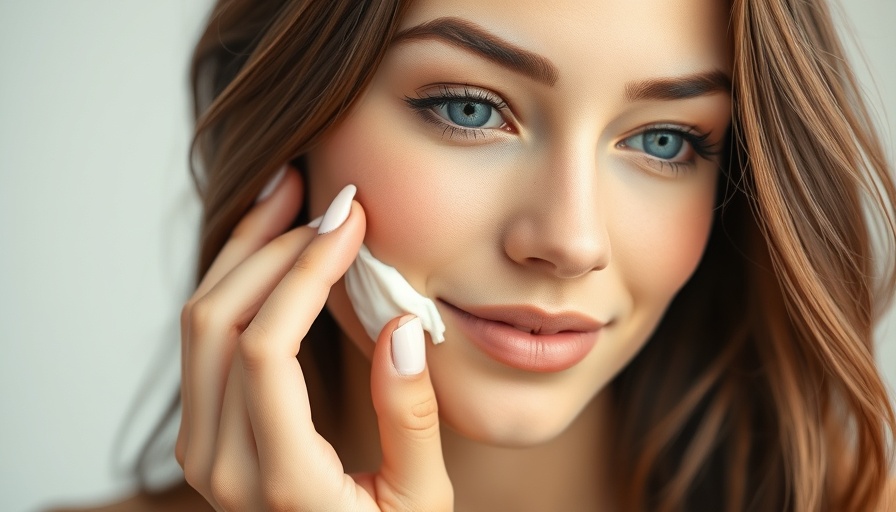
Woman applying face cream with SPF, soft lighting.

Why SPF Is Crucial for Every Woman’s Skincare Routine

In an age where self-care has become paramount, understanding the significance of sun protection is more vital than ever. Ultraviolet (UV) rays can damage the skin even on cloudy days, leading to premature aging and an increased risk of skin cancer. Incorporating a face cream with built-in SPF into your daily routine ensures that you're not only hydrating your skin but also creating a shield against harmful rays. This two-fold approach to skincare minimizes the number of products in your regimen while maximizing protection and care.

Top Face Creams: Combining Hydration and Protection

We’ve curated a selection of ten top-rated face creams for women that provide hydration and sun protection to keep your skin radiant and healthy. Each option has been researched extensively based on user reviews, ingredient quality, and brand reputation.

Cetaphil Brightening Day Protection Cream SPF 15

This gentle cream is formulated for sensitive skin, targeting dark spots and uneven tones while delivering soothing hydration. While the SPF may appear low, the other ingredients like niacinamide ensure skin is well-protected from environmental aggressors.

L’Oréal Paris Glycolic Bright Glowing Day Cream SPF 17

With its glycolic acid content, this cream not only offers sun protection but also helps with gentle exfoliation that leads to brighter skin in a short amount of time. Users appreciate its lightweight feel, although some have noted that it may leave a white cast on darker skin tones.

Understanding Skin Types for Optimal Selection

Choosing the right face cream should be tailored to your unique skin type. For oily or combination skin, lightweight, gel-based creams with higher SPFs are typically more suitable, while drier skin types might benefit from richer, cream-based formulations that provide ample moisture alongside protection.

Real User Experiences: What They’re Saying

User feedback can be incredibly enlightening. Many women reported positive experiences with the Cetaphil cream, noting improvements in skin brightness and hydration levels. However, perceptions about pricing vary; while some appreciated the quality, others felt they could find similar efficacy at a more affordable price.

The Psychological Benefits of Face Cream with SPF

It's not just about aesthetics—using skincare products that prioritize sun safety can enhance mental wellness too. Knowing your skin is protected can instill confidence, making the act of caring for yourself a fulfilling ritual. Moreover, taking preventative steps against sun damage plays a crucial role in how you feel about your skin now and in the future.

Let’s Talk Ingredients: What to Look For

When selecting a face cream, scrutinize the ingredients list. Look for nourishing agents like hyaluronic acid for hydration, vitamins like C and E for antioxidant protection, and of course, broad-spectrum SPF to shield against both UVA and UVB rays. Being informed helps you make choices that align with your skincare goals.

Future Trends in Skincare: Innovating for Protection

The skincare industry is rapidly evolving, with more brands prioritizing multifunctional products. The trend towards face creams with built-in sun protection is likely to expand. This means more options tailored to diverse skin types and conditions, making it easier for women to find the right product.

As we embrace these skincare innovations, incorporating products that blend hydration and sun protection can streamline your routine, offering you both convenience and care.

Ready to elevate your skincare regimen? Discover these top-rated face creams with SPF that cater to the unique needs of women's skin, ensuring protection and nourishment every day. Your skin deserves the best!

Wellness

1 Views

0 Comments

Write A Comment

*
*
Related Posts All Posts
12.13.2025

Explore the Hottest Winter Blush Trends You’ll Want to Try

Update Discover the Cozy Blush Trends of Winter 2025 When the first chill of winter settles in, it’s easy to think that vibrant beauty looks take a backseat. However, this winter, it’s all about warming up your makeup routine with cozy blush shades that enhance your natural beauty. Forget the bright summer pinks and embrace toasty terracottas, soft browns, and deep plum shades that harmonize with winter's texture and tones. What Sets Winter Blush Apart Winter calls for richer and more hydrating formulas to combat dryness. As temperatures drop, your usual beauty routine might need a makeover, especially when selecting blush. Celebrity makeup artists like Nikki DeRoest emphasize the importance of selecting creams or liquids that incorporate hydrating elements. These formulas not only provide radiant color but also nurture the skin during cold months. Ingredients such as allantoin, known for its soothing and antioxidant-rich properties, are particularly advantageous for sensitive skin. Trending Shades You Need Now This season, expect to see an enjoyable mix of hues on cheeks. The makeup team at Beauty Creations highlights a strong preference towards warm terracotta and muted browns, providing a natural flush and bronzing effect. These shades are versatile and perform beautifully, whether applied alone or layered for a richer effect. But bold berry and plum shades are also making waves, proving that winter can indeed be a time for striking color choices. Blush to Try This Season Beauty Creations Blushing Cute Lip and Cheek Balm in Don’t Say it Twice ($7): A warm rose that blends seamlessly for a fresh glow. Ciele Cosmetics Blush & Protect SPF 50+ in Berri ($34): Not only does it deliver color, but it also protects against harsh sun exposure. LYS Beauty Higher Standard Cream Glow Blush Stick in Focused ($22): This cinnamon pink hue brings warmth to your winter look. Tarte Macaroon Blush: An essential addition for those looking for a creamy texture with buildable pigment. Look Forward: Future Trends in Blush As the world of beauty constantly evolves, it's exciting to anticipate what trends will emerge next. Experts suggest that the future of blush is leaning towards more sophisticated finishes. The shift from ultra-dewy looks to soft matte formulas marks a clear change in consumer preferences. Brands are responding to this by developing blushes that employ high-tech blurring technology, allowing for beautiful, filter-like effects on the skin. Picking the Right Formula for You A critical aspect of selecting the right blush for winter lies in understanding how different formulas can work for your skin type. While liquid and cream blushes have gained immense popularity for their hydrating qualities, powder formulas are also evolving. Ranging from soft matte to silky finishes, powder blushes no longer cling to dry patches. Instead, they deliver a finish that’s both elegant and easy to blend, ideally complementing any makeup look during the cold season. Conclusion: Embrace Winter with a Pop of Color This winter, don't shy away from color as you bundle up. Finding the right blush not only enhances your beauty routine but also uplifts your mood during the coldest months of the year. So go ahead, explore rich hues and hydrating formulas that promise to keep your skin looking healthy and radiant! With these trends, your winter makeup will not just be practical, but it’ll shine with personality. Are you ready to take your winter beauty game to the next level? Dive into these innovative blush trends and give your makeup bag a seasonal refresh!

12.12.2025

Why Winter Acne Breakouts Spike: Essential Skincare Tips Inside

Update Understanding Winter Acne: The Hidden Struggles As the seasons shift and winter approaches, many individuals notice an unwelcome change in their skin: increased acne breakouts. Contrary to popular belief, winter can be harsher on the skin than summer. According to Dr. Ameesha Mahajan, cosmetic dermatologist, the dry air and indoor heating typical of the season contribute significantly to skin issues, especially acne. The Impact of Environmental Changes Winter air is characteristically drier, which can lead to a loss of moisture in the skin. A study published in the Journal of the European Academy of Dermatology and Venereology shows that lower humidity can cause skin to lose up to 25% more water. This depletion can cause the skin to react defensively by producing excess oil—a common precursor to acne production. When moisture is low both outdoor and indoor, many find that their once manageable skin issues turn into a frustrating battle. Heavy Products Backfire As temperatures drop, many gravitate toward thicker creams and heavy balms, aiming to combat dryness. However, these products often trap oil and bacteria beneath the skin's surface, which can prompt breakouts and blackheads. Dr. Mahajan emphasizes that it’s essential to select lightweight, non-comedogenic products that hydrate without clogging pores. Temperature and Skin Health: The Hot Shower Dilemma The allure of a long, hot shower during cold months can be tempting but detrimental. Hot water strips natural oils from the skin, leading to dryness and irritation. Alongside the winter chill, indoor heating systems exacerbate the problem by creating an even drier atmosphere, increasing the likelihood that skin will react with excess oil production. Finding the right balance in your bathing routine becomes crucial. Emotional Health's Influence on Skin In addition to physical changes, winter can take a toll on mental health. Shorter days and holiday pressures can elevate cortisol levels, which may lead to inflammation—another acne trigger. Winter cravings for comfort foods, often rich in sugars and dairy, can further complicate the situation. Understanding the connection between mental well-being and skin health is important for making conscious dietary choices that can improve acne. Expert Tips for a Winter Skincare Routine To combat winter acne, establishing a consistent skincare routine tailored to the season is essential. Dr. Mahajan recommends starting with a gentle, hydrating cleanser rather than harsh foaming varieties, which can exacerbate dryness. Mild gel or cream cleansers containing hydrating ingredients are ideal for maintaining moisture. Moreover, lightweight moisturizers with ingredients like hyaluronic acid or niacinamide can provide hydration without the risk of clogging pores. For those who prefer thicker products, choosing non-comedogenic options is vital. And while it might be tempting to scale back on active ingredients during colder months, Dr. Mahajan suggests a balanced approach: utilize salicylic acid face washes two to three times a week instead of daily to keep acne in check without overwhelming the skin. Long-Term Strategies for Maintaining Healthy Skin Building and sticking to a skincare regime can help manage breakouts not just in winter but throughout the year. Pair your topical treatments with an appropriate diet that limits known acne triggers, and be mindful of indoor air quality by using a humidifier. What You Can Do Today With winter fast approaching, now is the perfect time to prioritize your skin health. Invest in quality products that suit your needs, remain hydrated, and adjust your diet to support your skincare efforts. Neglecting your skin during winter months could lead to long-term issues that are easily preventable. By being proactive and implementing small changes, you can keep your skin healthy and glowing through the chilly months ahead. Embrace these skincare tips and take charge of your winter acne before it takes control.

12.12.2025

Bemotrizinol: A Game-Changer in Sunscreen Options for Consumers

Update The Groundbreaking Shift in Sunscreen Regulation In a remarkable shift, the U.S. Food and Drug Administration (FDA) has proposed the approval of bemotrizinol, a cutting-edge UV filter that could revolutionize the way Americans protect their skin from harmful sun rays. It's been more than two decades since the FDA added a new active ingredient to over-the-counter (OTC) sunscreens, leaving many consumers with limited options compared to those in other countries. If finalized, this regulatory change could open doors to new possibilities in sun care, making it possible for shoppers to access an expanded array of protective products. What Makes Bemotrizinol Exciting? Bemotrizinol, also known internationally as BEMT or Tinosorb S, is an oil-soluble, organic filter that provides broad-spectrum protection against both UVA and UVB rays. Its ability to absorb and reflect UV light effectively makes it a valuable addition to the current lineup of sunscreen ingredients. Studies indicate that it has minimal systemic absorption, which means it doesn't easily enter the bloodstream, and it's associated with low instances of skin irritation. These attributes make it a promising option for individuals with sensitive skin or those seeking enhanced protection. The Historical Context of Sunscreen Regulation While bemotrizinol has been widely available in markets outside the U.S. for years, the last UV filter approved by the FDA prior to this proposal was in 1999. This delay has left American consumers at a disadvantage, as many countries already enjoy a diverse range of sunscreen options. FDA Commissioner Marty Makary acknowledged the slow regulatory process, stating that Americans deserve access to the best, safest, and most effective over-the-counter products. The ongoing modernization of sunscreen regulation, propelled by recent legislative reforms including the CARES Act, aims to streamline this process. Why Is This Change Important? The proposed addition of bemotrizinol is vital not only for consumer choice but also as a response to the increasing awareness of skin health. With skin cancer rates on the rise in the U.S., the need for effective sun protection has never been more urgent. Dermatologists, including Susan C. Taylor, president of the American Academy of Dermatology, have strongly advocated for more sunscreen ingredients. This proposal represents a significant step forward in improving public health and safety. Beyond Sunscreen: A Look at Global Innovation Countries like Australia and those across Europe have long led the way in sunscreen innovation, ensuring that consumers have access to better-performing products. The FDA's move to approve bemotrizinol signifies a potential shift in how the U.S. approaches sunscreen formulation and safety, indicating a willingness to align more closely with international standards. As innovation continues to drive the beauty and health industries, the U.S. may soon mirror this global commitment to quality and safety in sunscreen products. Impact on Consumer Choices The approval of bemotrizinol is expected to empower consumers. Currently, U.S. shoppers rely on just 16 active ingredients, primarily zinc oxide and titanium dioxide, for sun protection. The introduction of bemotrizinol as a generally recognized as safe and effective (GRASE) ingredient can usher in a wave of new products that provide improved sun protection, catering to diverse skin types and preferences. For consumers looking to maximize their skin health, this oncoming variety of options is a positive development worth celebrating. A Move Towards Healthier Living This proposed approval of bemotrizinol is not just a technical change in regulations; it's part of a broader movement towards healthier lifestyles and informed living. As more effective sun protection becomes accessible, consumers can take proactive steps towards not only enjoying their time outdoors but also prioritizing their skin health. When looking for mint-condition skin, adequate sunscreen application is key, and now, there will be more options available to ensure that people can safely enjoy the sun. As we wait for the FDA's final decision on this promising proposal, it’s an opportune moment to educate ourselves on the importance of sun protection. Being informed about sun safety measures can empower individuals to make wiser choices that benefit long-term health.

Terms of Service

Privacy Policy

Core Modal Title

Sorry, no results found

You Might Find These Articles Interesting

T
Please Check Your Email
We Will Be Following Up Shortly
*
*
*