


The FAA Lifts Groundstop: What Happened?
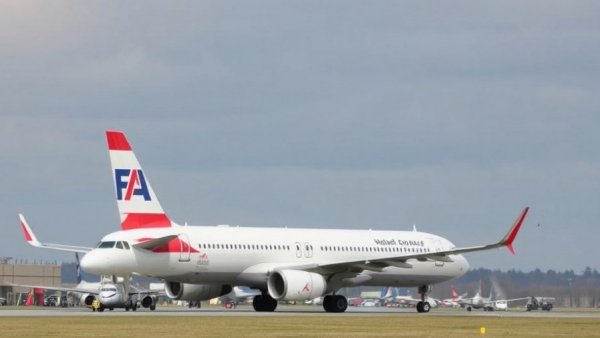
On [insert date], the Federal Aviation Administration (FAA) imposed a nationwide groundstop, effectively halting all flights across the United States. This decision sent shockwaves through airports, leaving thousands of travelers stranded and causing extensive delays. The FAA's announcement stemmed from a significant issue regarding safety and operational failures that demanded immediate attention. After several hours of uncertainty, the FAA lifted the groundstop, allowing air traffic to resume as normal.
Understanding the Implications of Air Travel Interruptions
Air travel disruptions can have far-reaching consequences, affecting not only passengers but also airline operations, financial markets, and the broader economy. A temporary stop in flights can lead to cascading delays as airlines scramble to reschedule flights and manage passenger demands. The lost revenue for airlines during such incidents can be substantial, leading to a review of safety protocols and operational efficiency. For instance, airlines may face significant compensation claims from passengers as well as potential loss of trust from their customer base.
FAA’s Response and Support Systems
The FAA attributed the groundstop to [insert specific cause if available from signal or references]. This incident highlights the organization’s unwavering commitment to prioritizing safety even at the cost of substantial operational delays. Such measures are crucial in ensuring that all air travel adheres to the highest standards of safety, thereby protecting passengers and crew alike. Collectively, the aviation industry is structured to handle such crises through robust communication systems that relay real-time information to various stakeholders, including airlines, air traffic controllers, and ground crews. This coordination is essential to minimize confusion and manage resources effectively.
Travelers' Experiences: The Human Side of Flight Cancellations
Imagine being at the airport, waiting for your flight, when suddenly the screens flash a groundstop alert. Many travelers found themselves in this nightmare, stranded in crowded terminals with no clear updates on when they might be able to travel. Reports came flooding in from airports across the country, with travelers sharing their frustrations and confusion on social media. Some recounted missing critical family events or business meetings, amplifying the emotional stress of the situation. This incident sheds light on the psychological impact of air travel disruptions, as it raises questions about compensation policies and customer service from airlines in such dire situations. The human interest aspect of these stories often goes unnoticed but is essential in understanding the full context of air travel.
Broader Trends in Air Travel Safety and Technology
This incident raises significant questions about the technology and systems currently used to maintain air travel safety. As we move deeper into the technological age, advancements in automation, data management, and communication are continuously emerging. The aviation industry is urged to enhance its infrastructure to prevent similar incidents. Airlines and regulatory agencies must collaborate to ensure that all systems are up-to-date and capable of managing unexpected challenges swiftly. Implementation of predictive analytics could revolutionize the management of disruptions, allowing airlines to anticipate potential issues and mitigate their effects before they escalate.
Looking Ahead: The Future of Air Travel Regulation
This event serves as a pivotal moment for discussions about regulatory reform in aviation. Should the FAA implement more robust or different systems that can prevent such widespread disruptions in the future? It is essential to balance operational efficiency with passenger safety, ensuring that travelers can feel secure and supported throughout their journey. Stakeholders, including airlines, government agencies, and travelers, must engage in this dialogue to find effective solutions. There are ongoing discussions regarding the potential introduction of new technologies, such as satellite-based tracking and automated notification systems, which could significantly improve response times during emergencies.
The Role of Travelers in Ensuring Safety
Travelers also play a critical role in ensuring their own safety while flying. Being informed about what to expect can help ease anxiety during such unpredictable situations. Travelers should familiarize themselves with their airline's protocols for cancellations and delays, as well as their rights regarding refunds and compensation. Knowing whom to contact and what information to have on hand can make the process go more smoothly. Additionally, frequent travelers can advocate for better communication practices within the industry to help improve response times and traveler awareness during unexpected events.
Conclusion: The Importance of Awareness in Air Travel
For those who travel frequently, keeping abreast of air travel safety protocols is paramount. This incident underscores the importance of remaining informed about potential delays and disruptions. Prior planning and flexibility can significantly ease the stress of unexpected changes in flight schedules. Let this incident serve as a reminder of the unpredictabilities inherent in air travel and the need for preparedness. Ultimately, both the aviation industry and the traveling public must work in tandem to enhance the overall air travel experience.
Call to Action
Stay connected with updates from the aviation sector and subscribe to news alerts from the FAA to ensure you’re always informed about travel conditions and safety guidelines. Your safety is paramount, and being proactive can make all the difference during your travels. By being informed and prepared, travelers can navigate the complexities of air travel more effectively and with greater peace of mind.




Write A Comment