
Add Row
Add Element
Pennsylvania Daily LIfe
update
Mike Sweeney
update
Add Element
  • Home
  • Categories
    • Wellness
    • Travel
    • Lifestyle
    • News
    • Health
    • Pennsylvania News
    • Financial
    • Home Living
    • Featured
June 28.2025
3 Minutes Read

Governor Shapiro’s Warning: Impact of Renewable Energy Funding Cuts

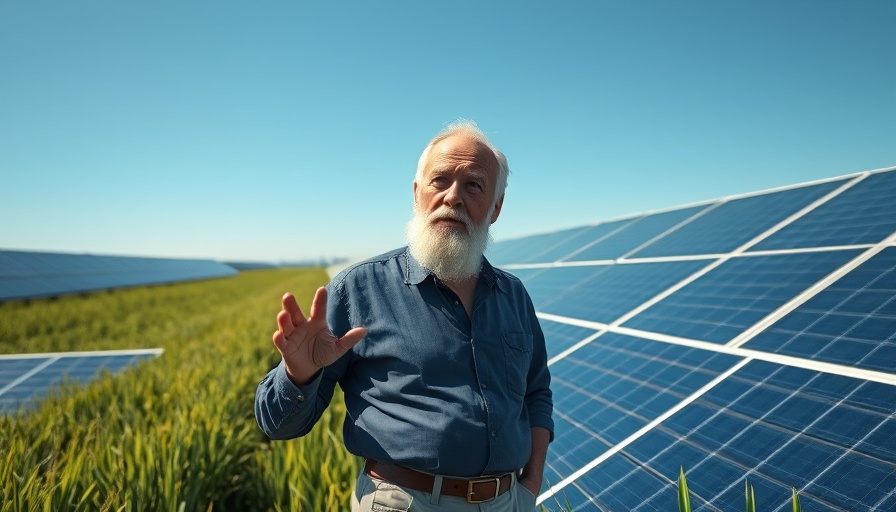
Elderly man discussing renewable energy at solar panel site.

The Urgent Call from Governor Shapiro on Renewable Energy Funding

In a recent alert to Pennsylvania’s congressional delegation, Governor Josh Shapiro raised alarms about potential repercussions stemming from proposed cuts to renewable energy funding. In his correspondence, Shapiro emphasized that the elimination of clean energy tax credits would threaten over $3 billion in investments across the state, impacting numerous facilities and jeopardizing the jobs of more than 26,000 residents by 2030.

Understanding the Legislative Landscape: H.R. 1 and Its Impact

The legislation in question is H.R. 1, a budget bill that seeks to remove several tax credits vital for the renewable energy sector. These credits, integral to projects flourishing under the Democratic-led Inflation Reduction Act of 2022, are set for abrupt cancellation rather than the previously planned phase-out by 2032. This legislative shift could have catastrophic effects on the burgeoning clean energy industry in Pennsylvania, which is poised for significant growth.

What’s at Stake: Jobs and Projects in Pennsylvania

Shapiro specifically highlighted announced projects within Clearfield County, poised to create over 900 jobs. Abrupt changes to tax incentives could thwart these initiatives before they even commence, signaling potential long-term harm to workforce prospects in the region. The ramifications extend beyond direct job losses; many local businesses, focused on renewable energy and sustainability practices, depend on these credits to support their operations.

The Importance of Renewable Energy Initiatives for Economic Growth

Data from the Pennsylvania Department of Environmental Protection indicates that investment in the renewable sector contributes not just to environmental health but significantly boosts the state’s economy. These projects are critical for diversifying energy resources, promoting job creation, and cultivating a sustainable environment. As Shapiro pointed out, the proposed cuts could also dismantle programs aimed at helping institutions reduce energy costs, such as the Solar for Schools initiative, risking over $30 million in potential savings.

Community Impacts and Clean Energy Transition

On a community level, reductions in tax credits could leave many citizens with higher energy bills, negating statewide efforts to transition towards affordable, clean energy solutions. Funds previously earmarked for community solar initiatives could dry up, limiting access to renewable energy for economically vulnerable households.

The Senate’s Lens: A Slightly More Favorable Approach

Interestingly, while H.R. 1 is a significant concern, the Senate has proposed a more moderate version. The Senate's approach suggests a phased reduction of tax credits for wind and solar projects, extending their eligibility until 2024. Additionally, specialized credits for nuclear, hydropower, battery, and geothermal projects would remain until 2034, which could mitigate some of the adverse effects of the House version of the bill. Shapiro applauded the Senate’s intent to preserve critical elements of the funding.

Conclusion: The Need for Advocacy and Action

As Pennsylvania residents reflect on these developments, it's imperative to stay informed and advocate for sustainable policies that support the renewable energy sector. Engaging with local representatives and emphasizing the importance of clean energy investments can bolster the state’s economy while also steering it toward a more sustainable future.

Widespread education and awareness around these issues will empower citizens to voice their concerns, ensuring that Pennsylvania can remain a leader in the renewable energy landscape.

Pennsylvania News

2 Views

0 Comments

Write A Comment

*
*
Related Posts All Posts
02.25.2026

Understanding Victoria's Law: How It Aims to End Puppy Mill Sales in PA

Update Understanding Victoria's Law: A Step Towards Ethical Pet Ownership The proposed 'Victoria's Law' in Pennsylvania aims to tackle a significant issue within the pet industry: the sale of animals raised in puppy mills. Under this legislation, pet stores would be prohibited from selling animals sourced from large-scale breeders, which are often criticized for their inhumane treatment of dogs and other pets. Named after a German shepherd saved from a puppy mill after suffering a decade of exploitation, this law represents a critical juncture in Pennsylvania's struggle against unethical breeding practices. What Needs to Change in the Pet Industry Supporters of Victoria's Law, including animal rescue advocates like Grace Kelly Herbert, emphasize the need for improved transparency and higher standards within the pet trade. Herbert, who has rescued thousands of dogs, underscores the danger of purchasing pets from irresponsible breeders: “House Bill 1816 can reduce the risk of heartbreak and financial strain for Pennsylvania families,” she explains, advocating for more informed decisions when it comes to pet adoption. What Are Puppy Mills and Why Are They a Problem? Puppy mills are high-volume breeding operations that prioritize profit over animal welfare, often leading to various health and emotional issues for the animals. The Pennsylvania Veterinary Medical Association echoes these concerns, with Dr. Andrea Honigmann stating that unregulated breeding still prevails as an issue, pointing out that problems can arise from both pet shops and private breeders. The law aims to reduce the supply from these mills, effectively encouraging consumers to choose reputable sources. The Legislative Landscape: Support and Criticism While there is significant support for Victoria's Law, critics argue that it doesn’t address the root of the problem—unregulated breeders and the continuing existence of puppy mills. They propose that strengthening existing Pennsylvania dog laws could be a more effective way to elevate standards. Yet, proponents of the law, including state lawmakers like Representative Jeanne McNeill and Senator James Malone, argue that such legislation is necessary to create immediate change. Malone pointed out that “Pennsylvania, specifically Lancaster, has a significant problem with puppy mills that needs to be addressed urgently.” Comparative Standards: National Context and Local Solutions Senator Malone's companion bill, Senate Bill 1190, aims to align Pennsylvania with similar humane retail standards seen in other states, which have already enacted laws to combat the sale of animals from puppy mills. This aligns with trends seen across eight other states and numerous localities where responsible pet sourcing is prioritized. Together, these legislative efforts aim to shift the focus to sourcing animals from shelters and responsible breeders, ultimately improving animal welfare across Pennsylvania. The Impact on Future Pet Owners The success of Victoria’s Law could resonate profoundly beyond its immediate implications. If passed, new regulations may lead consumers to make increasingly ethical decisions, thereby reducing the financial and emotional burdens associated with health issues in pets sourced from dubious situations. As advocates like Grace Kelly Herbert illustrate through her experiences, the stakes are painfully high for both animals and families. “Had those people taken them home, they would have had a tragedy in their family,” she warns, referencing puppies who suffered after purchase. Next Steps for Pennsylvania Residents Citizens of Pennsylvania who wish to see meaningful change in how pet stores source their animals should become actively engaged in supporting this legislation. Expressing your views to local representatives, attending public hearings, and amplifying the conversation on social media can create momentum for reform. The fight against puppy mills is a collective effort—one that calls for informed voters and compassionate consumers.

02.24.2026

Why Toyota Racing Development's Long-Term Deal with Young Driver Matters

Update The Rise of Young Talent in Motorsports In an exciting turn for motorsports, 13-year-old rookie racer Jett Noland is stepping onto the big stage with a significant contract from Toyota Racing Development (TRD). Noland, who has already gained attention in the racing community for his remarkable talent, represents a fresh wave of young individuals breaking into a sport traditionally dominated by older, experienced drivers. This move by Toyota signals a growing trend: investing in young talent and nurturing their development from an early age.In Toyota Racing Development signs 13-year-old to a long-term driver deal, the discussion dives into the future of young talent in motorsports, exploring key insights that sparked deeper analysis on our end. Echoes of the Past: Young Drivers Making History History provides numerous examples of young drivers who have made an indelible mark in the world of motorsports. Legends like Jeff Gordon and Danica Patrick began their careers in their early teens, paving the way for hopeful stars like Noland. By signing talented youngsters, companies like TRD hope to discover the next generation of icons, contributing not only to their own brand but to the entire racing culture. Community Impact of Young Athletes This exciting news has resonated deeply within the Pennsylvania community, particularly among younger racing enthusiasts. Events showcasing young racers not only foster local talent but generate community support and interest in the sport. Local tracks can further engage youth and families by hosting programs and activities centered around motorsports, encouraging young aspiring racers. Noland’s progress offers an inspirational narrative, emphasizing that dedication and talent can indeed lead to significant rewards. Challenges Young Drivers Face While the allure of a racing career is significant, the challenges young drivers encounter can be daunting. Financial pressures often dominate, as families invest considerable resources into equipment, travel, and training. Furthermore, balancing academic responsibilities while pursuing a racing career can become a tightrope walk. Community programs that support young athletes, like those seen in Pennsylvania, can alleviate some of these burdens, offering scholarships or assistance to deserving individuals. The Future of Racing: Opportunities for Young Talent Looking ahead, the future of racing appears bright, especially for youth involved in the sport. Organizations like TRD are not only interested in the immediate results but are also focused on long-term development, creating pathways for aspiring drivers. As established drivers share their insights and experiences, younger talents can better navigate the complexities of the racing world, from technical skill development to media engagement. Inspiration for Local Youth The journey of Jett Noland serves as powerful motivation for the youth of Pennsylvania. Young people seeing someone their age achieving such notable success can spark dreams and aspirations. Community awareness initiatives around this topic are essential in showcasing the importance of support networks for young athletes. Engaging local figures such as coaches, previous racers, and community leaders in conversations about the future of racing can help cultivate a richer environment for aspiring racers. The Broader Message: The Importance of Early Investment Ultimately, the signing of Jett Noland by TRD shines a light on the importance of investing in young talent early. It is not just about winning races; it is about building careers and supporting dreams. By nurturing young talent like Noland, the motorsports community not only strengthens its future but reinforces valuable life lessons about perseverance, ambition, and resilience. As we follow the journey of young drivers and watch them grow, let's reflect on the support we can provide to local athletes pursuing their passions. Whether it’s through community initiatives or simply showing up to support these talents at local events, every action counts. The excitement surrounding young athletes like Noland is just the beginning of a thrilling new chapter in motorsports that we can all enjoy.

02.23.2026

Struggling with Success: Why Some Metal Musicians Dislike Touring

Update The Burden of Success: Why Some Musicians Dislike Touring Mikael Åkerfeldt, the renowned lead singer of progressive metal band Opeth, recently shared his heartfelt sentiments regarding the often glamorized world of music touring. Despite garnering widespread critical acclaim and a loyal fanbase over their three-decade-long career, Åkerfeldt revealed that he finds the experience of touring not only daunting but at times burdensome. Creativity vs. Performance: The Dichotomy of Tour Life In an interview, Åkerfeldt articulated a dichotomy that many artists face: the joy of performing contrasted with the exhaustion of life on the road. "There are aspects that I do like [about touring]. The shows in themselves are the highlight of the day," he admitted, but he also expressed his struggles with insomnia and anxiety, which exacerbate the pressures of a touring schedule. While performing can be exhilarating and fulfilling, Åkerfeldt describes it as a "bit of a curse." The realities of constant travel and the pressure to deliver a perfect performance can overshadow the joy of playing music. A Journey Through Over Sixty Cities: Reflecting on the Touring Experience Since the release of their much-lauded album "The Last Will and Testament" in 2024, Opeth has enjoyed immense popularity. The band, known for its unique blend of progressive and metal influences, has headlined prestigious venues like the Sydney Opera House and Royal Albert Hall. Although these opportunities mark significant milestones in their career, Åkerfeldt reflects on how the incessant nature of touring has dampened his enthusiasm over the years. "It's not necessarily creative work for me anymore; it's just repeating what I've done previously," he noted. Touring as a Necessity vs. Touring for Pleasure Åkerfeldt’s remarks bring to light a fascinating issue: many artists feel a sense of obligation to their fans, crew, and the music industry. Despite his evident discomfort with the demands of touring, Mikael Åkerfeldt emphasizes the responsibility he feels: "If I don’t move, nobody moves." This sense of obligation can weigh heavily on artists who cherish creative expression above all. The pressure to perform often pulls them away from what they love most—creating music. As he puts it, "I love the creative work. I want us to spend more time writing music, as opposed to repeating old music." This yearning for a return to the studio is felt keenly by musicians who grapple with the demanding balance of overshadowing responsibilities and personal passions. The Emotional Toll: How Musicians Cope Åkerfeldt's insights resonate profoundly within the music community, portraying an unfiltered glimpse of the mental health challenges faced by touring artists. Like many in his position, he acknowledged how pre-tour anxiety often manifests in sleepless nights leading up to performances. As Åkerfeldt candidly shared, "A few weeks before a tour start having these stress symptoms... It's related to touring. I certainly hate leaving my daughters and girlfriend." For musicians and fans alike, acknowledging the emotional toll of touring is paramount in fostering a supportive community. Finding Balance: The Continuing Journey of Opeth Despite the challenges, it’s evident that the love for music and the thrill of engaging with fans remain at the forefront of Åkerfeldt's journey. He is determined to balance small tours with periods of local creativity, expressing his desire to devote time to recording and writing music without interruptions from road life. He stated, "I want to spend more time with the creative side of things rather than the touring side." With future projects in the pipeline and a commitment to quality over quantity, Opeth seems poised to continue their artistic evolution. Community Connection: What This Means for Fans As fans passionately root for their favorite artists, understanding the human aspect behind the music can significantly deepen that connection. Åkerfeldt’s revelations remind us that the musicians we admire grapple with similar pressures as we do in our lives. As dedicated fans, supporting their journey involves recognizing their struggles, offering encouragement, and appreciating their creative outputs without added demands.

Terms of Service

Privacy Policy

Core Modal Title

Sorry, no results found

You Might Find These Articles Interesting

T
Please Check Your Email
We Will Be Following Up Shortly
*
*
*