
Add Row
Add Element
Pennsylvania Daily LIfe
update
Mike Sweeney
update
Add Element
  • Home
  • Categories
    • Wellness
    • Travel
    • Lifestyle
    • News
    • Health
    • Pennsylvania News
    • Financial
    • Home Living
    • Featured
May 19.2025
3 Minutes Read

Exploring Mounjaro's Impact: Can It Really Cause Hair Loss?

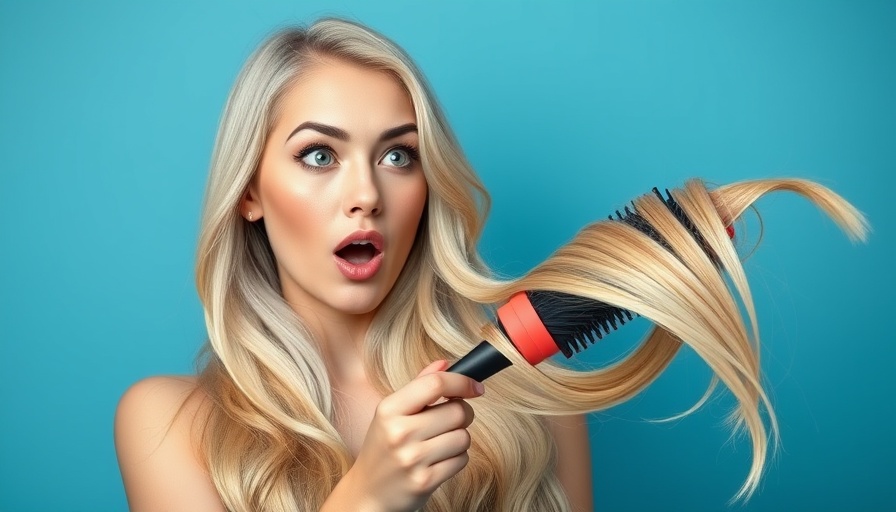
Blonde woman holding hairbrush, surprised expression.

Understanding Mounjaro: A Modern Miracle or a Risky Solution?

If you're among the many seeking to manage type 2 diabetes or lose weight, you may have heard of Mounjaro, also known as tirzepatide. This injectable prescription medication not only helps regulate blood sugar levels but has also gained favor for its efficacy in promoting weight loss. Developed by Eli Lilly, the medication works by activating two critical hormone receptors that control appetite and metabolism. But like any medical treatment, it's important to consider the potential side effects, including an unusual one — hair loss.

The Connection Between Mounjaro and Hair Loss

Reports of hair loss have emerged alongside the growing popularity of Mounjaro. Some users, including notable individuals, have claimed to experience this condition after using the medication. In fact, research published in the Journal of the American Academy of Dermatology indicates that tirzepatide can disrupt the normal hair follicle cycle, leading to conditions such as telogen effluvium, a temporary form of hair loss. Dr. Karuna Malhotra, an aesthetic physician, points out that while some users notice this side effect, the drug itself isn't typically the main culprit.

Instead, she explains that rapid weight loss — a significant effect of Mounjaro — can induce stress on the body, triggering this type of hair loss. "When the body experiences significant changes, it can cause more hair to enter the shedding phase than usual," Dr. Malhotra clarifies.

Managing Mounjaro Hair Loss: Practical Solutions

If you're concerned about hair loss while on Mounjaro, it’s crucial to know that this is generally a temporary condition. According to experts, maintaining a balanced diet and proper hair care regimen can help manage any negative effects on your hair. Incorporating nutrient-rich foods that promote hair health, such as those high in biotin, zinc, and iron, can be beneficial. Moreover, consulting with a healthcare professional or a dermatologist before making any changes to your treatment plan is advisable.

When to Seek Help: A Guide for Users

If you notice excessive hair shedding or other concerning side effects, it may be time to reconsider your approach. Talk to your doctor about your experiences with Mounjaro, as they can provide you with personalized guidance. It’s important to weigh the benefits of weight loss and diabetes management against any side effects you may encounter.

The Road Ahead: Embracing Healthy Changes

Dealing with hair loss can be unsettling, but it's crucial to approach the situation with actionable insights. Embracing a holistic view of health involves not just managing medications but also taking care of your mental and physical well-being. Finding balance through exercise, mindfulness, and self-care routines can aid your emotional health, which is crucial during challenging times.

Community Perspectives: Sharing Experiences

Joining support groups or community forums can provide reassurance to those facing hair loss or other side effects. Sharing experiences with others who understand what you're going through can help alleviate feelings of isolation. As you navigate your health journey, remember that you’re not alone, and many others are in the same boat.

A Reflection: Embracing Your Health Choices

Ultimately, the decision to use Mounjaro should be an informed one, considering all potential benefits and drawbacks. As with any treatment, knowledge is power — understanding what you’re embarking upon can equip you to make better choices for your health.

In conclusion, if you're contemplating Mounjaro for its weight loss and diabetes management benefits, keep an open dialogue with your healthcare provider, maintain a balanced diet, and take steps to support hair health. Remember, your journey toward wellness is uniquely yours. Empower yourself with the right information and make the best decisions for your health.

1 Views

0 Comments

Write A Comment

*
*
Related Posts All Posts
02.25.2026

Understanding Victoria's Law: How It Aims to End Puppy Mill Sales in PA

Update Understanding Victoria's Law: A Step Towards Ethical Pet Ownership The proposed 'Victoria's Law' in Pennsylvania aims to tackle a significant issue within the pet industry: the sale of animals raised in puppy mills. Under this legislation, pet stores would be prohibited from selling animals sourced from large-scale breeders, which are often criticized for their inhumane treatment of dogs and other pets. Named after a German shepherd saved from a puppy mill after suffering a decade of exploitation, this law represents a critical juncture in Pennsylvania's struggle against unethical breeding practices. What Needs to Change in the Pet Industry Supporters of Victoria's Law, including animal rescue advocates like Grace Kelly Herbert, emphasize the need for improved transparency and higher standards within the pet trade. Herbert, who has rescued thousands of dogs, underscores the danger of purchasing pets from irresponsible breeders: “House Bill 1816 can reduce the risk of heartbreak and financial strain for Pennsylvania families,” she explains, advocating for more informed decisions when it comes to pet adoption. What Are Puppy Mills and Why Are They a Problem? Puppy mills are high-volume breeding operations that prioritize profit over animal welfare, often leading to various health and emotional issues for the animals. The Pennsylvania Veterinary Medical Association echoes these concerns, with Dr. Andrea Honigmann stating that unregulated breeding still prevails as an issue, pointing out that problems can arise from both pet shops and private breeders. The law aims to reduce the supply from these mills, effectively encouraging consumers to choose reputable sources. The Legislative Landscape: Support and Criticism While there is significant support for Victoria's Law, critics argue that it doesn’t address the root of the problem—unregulated breeders and the continuing existence of puppy mills. They propose that strengthening existing Pennsylvania dog laws could be a more effective way to elevate standards. Yet, proponents of the law, including state lawmakers like Representative Jeanne McNeill and Senator James Malone, argue that such legislation is necessary to create immediate change. Malone pointed out that “Pennsylvania, specifically Lancaster, has a significant problem with puppy mills that needs to be addressed urgently.” Comparative Standards: National Context and Local Solutions Senator Malone's companion bill, Senate Bill 1190, aims to align Pennsylvania with similar humane retail standards seen in other states, which have already enacted laws to combat the sale of animals from puppy mills. This aligns with trends seen across eight other states and numerous localities where responsible pet sourcing is prioritized. Together, these legislative efforts aim to shift the focus to sourcing animals from shelters and responsible breeders, ultimately improving animal welfare across Pennsylvania. The Impact on Future Pet Owners The success of Victoria’s Law could resonate profoundly beyond its immediate implications. If passed, new regulations may lead consumers to make increasingly ethical decisions, thereby reducing the financial and emotional burdens associated with health issues in pets sourced from dubious situations. As advocates like Grace Kelly Herbert illustrate through her experiences, the stakes are painfully high for both animals and families. “Had those people taken them home, they would have had a tragedy in their family,” she warns, referencing puppies who suffered after purchase. Next Steps for Pennsylvania Residents Citizens of Pennsylvania who wish to see meaningful change in how pet stores source their animals should become actively engaged in supporting this legislation. Expressing your views to local representatives, attending public hearings, and amplifying the conversation on social media can create momentum for reform. The fight against puppy mills is a collective effort—one that calls for informed voters and compassionate consumers.

02.24.2026

Indie Lee Botanicals: Affordable Clean Beauty Solutions for Everyone!

Update Indie Lee Botanicals: Redefining Clean Beauty with AffordabilityIndie Lee, a name synonymous with clean skincare, is embarking on a new journey with the launch of Indie Lee Botanicals, an affordable sister brand exclusive to Whole Foods Market. This new line is not just about lower prices—starting at just $20—it embodies a vision to bring accessible, nature-rooted skincare to a wider audience.A Personal Journey to Clean BeautyIndie Lee’s story isn't just a typical business tale; it began with a profound personal experience. In 2009, after a brain tumor diagnosis, Lee began to scrutinize the ingredients in her favorite beauty products. This introspection led her to launch her eponymous brand in 2010, focusing on all-natural formulas. With Indie Lee Botanicals, she returns to her roots, emphasizing simple, uncomplicated ingredients that resonate with consumers seeking wellness without the premium price tag.Product Highlights: Simple Yet EffectiveThe Indie Lee Botanicals line features four core products: the Morning Dew Gel Cleanser, Hydra Petal Facial Toner, Vital Bloom Serum, and Bloom Balance Moisturizer, all priced under $25. Each product is crafted with a minimum of four natural ingredients designed to nurture the skin and support overall well-being. For instance, the toner includes safflower oil, noted for its soothing properties, while the Vital Bloom Serum prominently features hyaluronic acid for added hydration.A Strategy for AccessibilityOne key aspect of this new line is its strategic placement in Whole Foods Market, a retailer that represents credibility in the clean beauty space. “I wanted to meet consumers where they’re already shopping,” Lee explained. This accessibility not only broadens her demographic reach but aligns with the rising consumer demand for affordable, clean beauty options. By simplifying the ingredient list and utilizing post-consumer recycled packaging, Lee aims to create a product line that is as environmentally friendly as it is effective.Embracing the Future of Clean BeautyLee's optimistic vision for Indie Lee Botanicals comes amidst a tumultuous time for the clean beauty industry. The narrative has shifted, demanding not just clean but also effective formulations. As more consumers embrace a return to basics—favoring natural over synthetic—Indie Lee’s endeavor may well resonate with those looking to reconnect with simpler, greener practices. "People want to go back into the garden and make their own bread... it’s an invitation to embrace a simpler lifestyle," Lee noted. This sentiment reflects a larger societal trend where consumers are gravitating towards products that echo their values of sustainability and wellness.Building a CommunityWith her new line, Lee isn’t just selling products; she's nurturing a community committed to clean beauty. The brand's mission resonates with a generation eager for change, particularly among parents who want to instill healthy habits in their children. As Lee mentioned, her children and their friends are already excited about the products, signifying a shift in how beauty products are perceived and received. Shared experiences like this may lead to a future where beauty and wellness go hand-in-hand, paving the way for healthier generations.ConclusionIndie Lee Botanicals represents more than just a budget-friendly skincare line; it’s a commitment to transparency, wellness, and community. As the brand seeks to expand its reach further by partnering with Whole Foods Market and potentially other retailers, it also lays the foundation for educating a broader audience about clean beauty. By making clean skincare accessible without compromising on quality or values, Indie Lee is setting a new standard that aligns beauty with a holistic approach to health. Embrace the change—revitalize your skin with Indie Lee’s thoughtfully crafted products today!

02.24.2026

Nationwide Recall of Frozen Meatballs: Check Your Freezer for Safety

Update USDA Issues Recall on Frozen Meatballs: What You Need to Know If you've stored frozen meatballs in your freezer for a convenient dinner option, it's crucial to check the labels immediately. The U.S. Department of Agriculture (USDA) has issued a nationwide recall for approximately 9,462 pounds of frozen, ready-to-eat meatballs. This action follows reports of metal fragments found in some packages, raising potential health risks for consumers. What Products Are Affected? The recall specifically targets the “Bremer Family Size Italian Style Meatballs” in 32-ounce packages, which were produced on July 30, 2025. Bear in mind the packages have a “Best By” date of October 30, 2026, and feature timestamps ranging from 17:08 to 18:20. The establishment number “EST. 4286B” can be found alongside the USDA inspection mark on the packaging. Risk of Contamination: Why This Matters Though no injuries or illnesses tied to this issue have been reported yet, the presence of foreign materials like metal poses a serious risk. Ingesting such materials could lead to injury, including cuts or damage to the digestive tract. Thus, as a precaution, the USDA strongly advises consumers to refrain from consuming these meatballs. Instead, it's recommended to throw them away or return them to the store where they were purchased. How Did This Happen? A Closer Look The problem was discovered after a consumer complaint prompted the USDA to take action. Pre-packaged foods can sometimes suffer from manufacturing errors that lead to contamination, and this incident highlights the need for vigilance among consumers and manufacturers alike. Regular inspections and consumer reports play critical roles in maintaining food safety standards. Future Implications for Food Safety This recall serves as a reminder of the importance of food safety and recalls. The USDA routinely carries out checks to evaluate the effectiveness of recalls and is working to ensure that products no longer pose a risk to consumers. For consumers, staying informed about recalls can help them avoid hazardous products and encourage better food safety practices. Consumer Actions and Resources For those concerned about having the recalled meatballs, the USDA emphasizes a few steps. First, confirm whether the product in your freezer matches the recall details. If it does, do not consume it. Instead, consider returning it or disposing of it safely. For more information, consumers can contact Rosina Food Products at 1-888-767-4621 or reach out to the USDA Meat and Poultry Hotline at 1-888-MPHotline (1-888-674-6854) for questions about food safety. Staying Informed and Safe Food safety is a collective responsibility, and being proactive about keeping informed can make all the difference. Subscribe to available food safety newsletters, use mobile apps designed for recall alerts, or follow updates from trusted food safety organizations. By being aware of potential dangers, consumers can take control of their meals and maintain their health and safety effectively. In conclusion, as this recall demonstrates, diligence on the consumer's part, collaboration with food producers, and ongoing federal oversight are all instrumental in ensuring our food safety. Stay informed, check your pantry, and always prioritize health in your food choices.

Terms of Service

Privacy Policy

Core Modal Title

Sorry, no results found

You Might Find These Articles Interesting

T
Please Check Your Email
We Will Be Following Up Shortly
*
*
*