


The Rise of Reclaimed Wood in Pennsylvania's Timber Industry
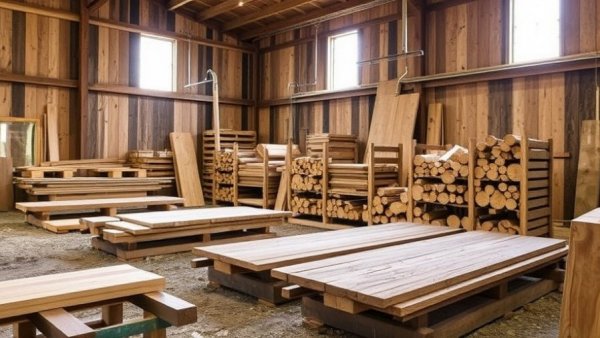
As the reclaimed wood industry gains traction, Trestlewood's recent establishment at a once-thriving sawmill in Clearfield County paints a promising picture of sustainability and local business revitalization. Recognizing the untapped potential of the region’s historic trees and aging structures, Trestlewood is set to contribute not only to the economy and the environment but also to create a greater awareness about the future of sustainable practices within the community.
Why Reclaimed Wood Is Gaining Popularity
Reclaimed wood isn’t merely a trend; it’s a movement towards sustainability in construction and design. According to market research by S&S Insider, the state of the reclaimed wood industry in the U.S. is projected to grow dramatically, potentially reaching a valuation of $19.90 billion by 2035. This remarkable statistic highlights a growing awareness among consumers of sustainable building practices and the importance of eco-friendly materials. As Bobby Cannon, Trestlewood’s vice manager of sales, notes, more people are actively seeking out materials that are not only unique but also environmentally friendly. This shift is not only changing purchasing habits but also reshaping the construction landscape as more builders adopt these sustainable options.
Local Roots and Historic Value
The Trestlewood location in Burnside Township holds particular significance as it builds upon nearly 70 years of sawmill legacy from the Rorabaugh family. The mill's historic backdrop adds charm and depth to their efforts in reclaiming wood. The milling industry has deep roots in Pennsylvania, where wood has been a vital resource throughout its history. Cannon emphasizes the importance of preserving the stories behind the materials they use, such as 140-year-old beams salvaged from a burned-down house. These stories enhance the intrinsic value of reclaimed wood, turning it into a symbol of connection to the past. Not only does this focus on history fulfill a nostalgic desire within the community, but it also ensures that each piece brought back to life carries a significant narrative.
A Sustainable Future: Community Impact
The revival of the sawmill reflects a shift towards local commerce that not only meets current needs but also preserves history and tradition. The community response has been overwhelmingly positive, as evidenced by local residents bringing wood to be reclaimed. This act of proactively saving and repurposing materials showcases a collective commitment to sustainability. Paul Cannon, also a co-owner of the mill, notes that their business aims to blend the traditional logging practices with modern sustainable ideals. This merging of old and new resonates with local values, as residents take pride in contributing to a business model that honors both the environment and the region's heritage.
Counterarguments: Challenges Ahead
While the shift towards reclaimed wood presents numerous advantages, some industry experts argue that the sourcing and processing of reclaimed materials can create challenges. Quality control is essential and can become complex when dealing with the varied conditions of salvaged wood. The Cannons are addressing these challenges head-on by leveraging their decade-long experience in the industry. Furthermore, ensuring a steady supply of quality reclaimed timber poses an ongoing concern for sustainability-focused businesses. Innovative solutions such as forming partnerships with local demolition companies to salvage materials before they are destroyed are expected to aid in maintaining a consistent inventory.
Making Decisions with Sustainable Choices
For residents and builders in Pennsylvania, the emergence of Trestlewood’s facility signifies more than just economic opportunity; it represents a choice—one that values sustainability, history, and uniqueness. Aligning construction practices with reclaimed wood usage can lead to benefits not only for the builder but also for the community at large. Projects that utilize reclaimed materials often possess distinct aesthetics and a deeper connection to the area’s cultural narrative. Community members can feel a sense of pride when they use materials that have local significance, meeting modern needs while honoring the past.
Embracing Sustainable Trends
As we look towards the future, following the trajectory of sustainable practices can lead to new opportunities for homeowners and businesses alike. Embracing reclaimed wood signifies a commitment to innovative solutions and environmental responsibility. Future renovations and new builds can greatly benefit from sourcing local reclaimed materials, making a positive environmental impact while also preserving historical significance. By integrating these practices, homeowners not only enhance their properties but also contribute to local economic growth and environmental sustainability.
Conclusion: A Call to Action for Local Residents
As Clearfield County continues to embrace the rise of reclaimed wood, residents in Pennsylvania can play a pivotal role by actively supporting businesses like Trestlewood and choosing sustainable materials in their own projects. Not only does this support the local economy, but it also fosters a community that values history, sustainability, and innovation. Investing in locally reclaimed wood is an investment in the future—ensuring that both the economy and the environment can thrive hand in hand, creating a legacy that future generations can be proud of.




Write A Comment