
Add Row
Add Element
Pennsylvania Daily LIfe
update
Mike Sweeney
update
Add Element
  • Home
  • Categories
    • Wellness
    • Travel
    • Lifestyle
    • News
    • Health
    • Pennsylvania News
    • Financial
    • Home Living
    • Featured
June 15.2025
3 Minutes Read

Best Night Creams of 2025: Top Picks for Glowing Skin

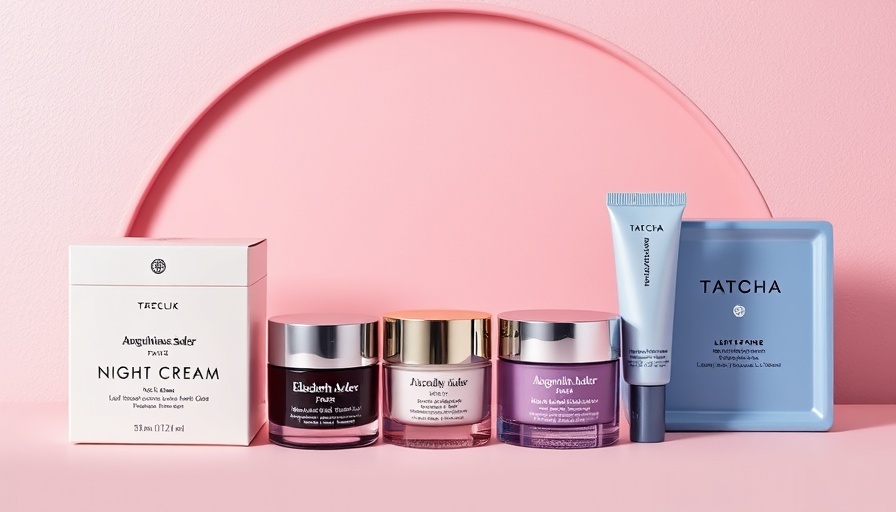
Luxury night cream products for best night creams of 2025.

Discover the Top Night Creams of 2025: A Guide to Skin Bliss

As we embrace 2025, the search for the ultimate night creams becomes essential for those seeking rejuvenated skin by morning. Night creams are not merely a routine; they are an investment in our skin's health and appearance. In this article, we explore the best night creams of 2025 that have been tested and dermatologically approved, ensuring you wake up with that coveted glow.

The Importance of Night Creams for Every Skin Type

Night creams offer significant benefits that extend beyond mere hydration. During sleep, our skin regenerates, and the right formulation can enhance this process. For dry skin types, creams with hyaluronic acid can lock moisture, while oily or combination skin might benefit from lightweight, non-comedogenic options. Furthermore, those with sensitive skin should look for soothing ingredients such as aloe vera or chamomile. Understanding your skin type and conditions is vital for selecting the best product.

What Makes a Night Cream Stand Out?

In a market flooded with options, several key factors determine the effectiveness of a night cream:

  • Ingredient Quality: Look for creams that utilize high-quality, scientifically backed ingredients. Retinol is a superstar for anti-aging, while peptides can promote collagen production.
  • Absorption Rates: A great night cream should absorb quickly without leaving a greasy afterfeel, allowing your skin to breathe.
  • Sensitivity Tested: Products approved by dermatologists ensure they are safe and effective, especially for those with sensitive skin conditions.

A Peek Into the Top Night Creams of 2025

We’ve rounded up a selection of creams that made the list this year:

  1. Cerave PM Facial Moisturizing Lotion: Famed for its skin-replenishing ceramides and lightweight texture, this cream is an absolute favorite among dermatologists.
  2. Neutrogena Hydro Boost Gel-Cream: Infused with hyaluronic acid, this gel-cream provides deep hydration that’s perfect for oily skin types.
  3. Olay Regenerist Retinol 24: Combining retinol and niacinamide, it promises improved texture and firmness overnight.
  4. La Roche-Posay Toleriane Ultra Night Cream: Perfect for sensitive skin, this fragrance-free cream calms irritation while hydrating.
  5. Drunk Elephant Lala Retro Whipped Cream: Packed with a variety of oils and ceramides, this luxurious whipped cream offers intense moisture for dry skin.

Common Misconceptions About Night Creams

Many believe that night creams are a luxury rather than a necessity. The truth is, investing in a good night cream can prevent future skincare issues, especially as we age. Another myth is that oily skin does not need moisture; in fact, an appropriate night cream can help regulate oil production and ensure balanced hydration.

Final Thoughts: Crafting Your Nighttime Ritual

As you explore the best night creams of 2025, remember that self-care is paramount. Choose a product that resonates with your skin’s needs and celebrate every morning with refreshed skin. The magic happens overnight; all you need to do is make the right choice before drifting off to sleep.

Looking for a community-focused approach to skincare? Join local wellness events and workshops in your neighborhood to learn more about finding the right skin-care products and routines tailored to you. Your skin deserves the best care, and so do you!

Lifestyle

7 Views

0 Comments

Write A Comment

*
*
Please complete the captcha to submit your comment.
Related Posts All Posts
02.28.2026

Discovering the Surprising Link Between Your Skin Health and Dementia Risk

Update Unveiling the Hidden Connection: Skin Health and Dementia As we age, our skin tells a story of years gone by, marked by fine lines, age spots, and dryness. While many turn to products to rejuvenate their appearance, an unsettling question arises: could our skincare routines impact our cognitive health as well? Recent scientific inquiries suggest that the answer might be more complicated than we think. The Vital Role of the Skin Barrier Our skin is not just a protective layer; it serves as one of the body's largest barriers against harmful toxins. Dr. Malú Tansey, a neuroscientist, emphasizes that a strong skin barrier is essential for overall health. As we age, this barrier deteriorates, making us increasingly vulnerable to harmful substances, which could include environmental toxins, air pollution, and pathogens. Cracks in our skin barrier can trigger inflammation, releasing too many cytokines—immune system signals that lead to inflammation throughout the body. Chronic inflammation can potentially weaken the blood-brain barrier, causing neuroinflammation, which has been linked to cognitive decline and dementia. Cognitive Impacts: What the Studies Reveal A recent study published in the Journal of Investigative Dermatology investigated the link between skin barrier function and cognitive health among participants aged 50 and older. Researchers examined the ability of the skin to retain moisture, a key indicator of barrier integrity. They found that individuals with compromised skin health exhibited faster decline in verbal memory—a potential precursor to signs of dementia. This study aligns with other research pointing toward a correlation between skin conditions like eczema and an increased risk of dementia. For example, studies have indicated that individuals with active eczema face a 20% higher likelihood of developing dementia later in life. The Science Behind the Link: Inflammation and Its Effects Why does this link exist between skin health and cognitive function? It is believed that chronic inflammation stemming from skin disorders can intersect with neurological illnesses. Chief among these are conditions like atopic eczema and psoriasis, both known for their inflammatory pathways. Even skin ailments such as rosacea have been tied to neurological issues, suggesting a broader spectrum of risk factors. Dr. Bruce Brod notes that the relationship between skin and brain health is still being explored, but the plausibility of shared risk factors makes this an area worth investigating further. Looking Ahead: Can Improving Skin Health Influence Cognitive Health? The question now is whether enhancing skin barrier integrity can stave off cognitive decline. Preliminary research suggests that maintaining a healthy skin barrier through moisturizing may support cognitive health, but definitive conclusions have yet to be drawn. Dr. Tansey provides simple yet effective tips: use occlusive creams rich in ceramides, moisturize the scalp, prioritize skin hydration, and tackle conditions like eczema and psoriasis with medical guidance. Such measures may not only benefit skin health but could also have implications for cognitive function. Conclusion: The Importance of Skin Care as a Health Priority As we continue to connect the dots between skin health and cognitive function, one thing is clear: maintaining a robust skincare routine might just be a part of safeguarding brain health. So, the next time someone raises an eyebrow at your collection of creams and lotions, remember, you could be doing more than just chasing youth—you're possibly protecting your mind. To stay informed about innovations in health and wellness, consider following research updates and learn how your daily habits can play a substantial role in your long-term well-being.

02.27.2026

Unlocking Better Sleep: How Adult Sleep Training Through CBT-I Can Transform Lives

Update Unlocking Better Sleep: How Adult Sleep Training Through CBT-I Can Transform Lives Many adults feel drained and fatigued, bogged down by insomnia that remains an unseen hurdle in modern life. Sleep training is no longer just for infants; adults are increasingly turning to cognitive behavioral therapy for insomnia (CBT-I) as a holistic solution to their nightly struggles. A Personal Journey to Sleep Recovery Take the story of Veronica Smith, a young woman whose relentless battle with insomnia extended through her academic and career pursuits. Despite trying everything from meditation to medications, she never found lasting relief until her therapist recommended CBT-I. This evidence-based therapy focused on more than just sleep patterns — it addressed her thoughts, emotions, and behavior surrounding sleep. Smith's experience reflects a growing trend: many individuals are seeking help from specialists who can guide them through effective sleep training methods. This approach has shown promising results with approximately 70-80% of patients experiencing improvements in their sleep quality. Understanding Cognitive Behavioral Therapy for Insomnia (CBT-I) CBT-I represents a paradigm shift in the treatment of insomnia, emphasizing the importance of understanding and modifying the factors that contribute to sleep disruptions. Rather than solely relying on medications, CBT-I encompasses a range of approaches including education about sleep hygiene, behavioral modifications, and cognitive restructuring. The Key Components of CBT-I to Enhance Sleep Quality There are five fundamental components of CBT-I that help adults transform their sleep habits: Sleep Hygiene: Establishing healthy sleep habits by creating a conducive sleep environment. Relaxation Techniques: Utilizing stress-reduction methods to ease anxiety associated with sleep. Stimulus Control Therapy: Associating the bed and bedroom with sleep rather than wakefulness. Sleep Restriction: Limiting time in bed to align sleep opportunity with actual sleep. Cognitive Therapy: Addressing and challenging negative thoughts about sleep. This structured, multi-faceted approach not only alleviates symptoms but also empowers individuals to take charge of their sleep health through actionable insights and long-term techniques. Current Trends: Why Adult Sleep Training is Gaining Popularity The rise of social media influencers advocating for better sleep habits has played a considerable role in elevating awareness about sleep training methods like CBT-I. As more adults share their success stories and strategies online, people feel encouraged to address their sleep problems head-on. The relatability and shared experiences provide a sense of community, prompting individuals to seek treatment with confidence. The Future of Sleep Recovery: Predictions and Insights As research continues to illuminate the benefits of CBT-I, we are likely to see a greater emphasis on this therapy as a first-line treatment for insomnia. The integration of digital approaches, like CBT-I apps, is also expected to rise, providing expanded access to those seeking assistance in a cost-effective manner. These digital platforms can serve as valuable companions on the journey to better sleep, making CBT-I widely available, especially in underserved areas. Deciding to Take Action: Empowering Your Sleep Journey If you find yourself struggling with sleep, consider exploring CBT-I as a viable option. Remember, taking the first step can feel daunting, but being informed empowers you. Reach out to healthcare professionals trained in CBT-I and start envisioning yourself waking up refreshed and rejuvenated. Ultimately, sleep is essential for overall wellbeing, and embracing new ways to enhance sleep quality can truly transform one's daily life. By engaging with professional resources, you can discover techniques designed to lead you toward a brighter, well-rested future.

02.26.2026

Waking Up at 3 A.M. Nightly? Discover Key Reasons and Solutions

Update Why Are You Waking Up at the Same Time Every Night? Have you ever found yourself tossing and turning, only to realize that it's precisely 3 a.m. once again? If this sounds familiar, you’re not alone. Many people experience this phenomenon, waking up at the same time night after night, leaving them puzzled about why it’s happening. Understanding the underlying causes can be key to breaking this cycle of disrupted sleep. Common Reasons for Consistent Wake-ups According to sleep specialists, waking up at the same time every night can often be attributed to several factors tied to our biology and daily habits. First, the sleep cycle plays a critical role. Sleep occurs in 90-minute cycles, moving from deeper stages of sleep to lighter stages. As the night progresses, people tend to wake more frequently during lighter sleep. By 3 a.m., you may be transitioning out of a deep sleep phase and into a lighter one, making it easier for external factors to disturb your rest. Environmental disruptions can also trigger wakefulness. Whether it's the noise from a truck outside, your partner's restless movements, or even a changing body temperature, these disturbances can consistently pull you from sleep. Stress and Sleep Hygiene Research has shown that stress is another common culprit. Elevated anxiety levels can cause sporadic awakenings as our bodies remain in a heightened state of alertness. This can be especially true if you are dealing with significant life changes, health concerns, or emotional stress. Furthermore, poor sleeping habits, often referred to as sleep hygiene, can exacerbate these issues. Consuming caffeine or alcohol too close to bedtime can prevent deep sleep and increase the likelihood of waking up regularly during the night. Reinforcing Sleep Patterns Interestingly, the behaviors we engage in after waking up can solidify this pattern. If you routinely check your phone or turn on bright lights after waking up, your brain learns to associate 3 a.m. with wakefulness, entrenching the behavior. To mitigate this, experts recommend avoiding stimulating activities during these awakenings and instead opting for relaxation techniques. Simple Strategies to Improve Your Sleep Fortunately, there are effective strategies to encourage a more restful sleep pattern. Here are some tips that can help: Maintain a Sleep Schedule: Go to bed and wake up at the same time every day, even on weekends. Create a Calming Bedtime Routine: Engage in relaxing activities such as reading or meditating to signal your body that it’s time to wind down. Optimize Your Sleep Environment: Keep your bedroom cool, dark, and quiet to promote deep sleep. Limit Stimulants: Avoid caffeine and heavy meals close to bedtime to improve the quality of your sleep. Seek Professional Help: If you find that these strategies don’t help, or experience consistent awakenings that affect your daytime life, consult a healthcare provider to discuss any potential underlying health issues. Understanding the Bigger Picture Waking up at the same time every night may seem trivial, but it can indicate significant health concerns. While it can be frustrating, recognizing it as a signal from your body can lead to better management of your overall health. Whether it’s stress, poor habits, or health conditions like apnea or hormonal changes, addressing these factors is crucial. Furthermore, it’s essential to understand that persistent disruptions can lead to negative consequences like fatigue, memory problems, and decreased productivity during the day. This realization can be the motivation needed to take action. Moving Forward with Awareness Life’s demands can often lead us to overlook the importance of quality sleep. However, understanding the reasons behind nighttime awakenings not only empowers individuals but also fosters a community increasingly aware of wellness. It’s time to prioritize your sleep and health by adopting positive sleep practices and, if needed, seeking professional advice. By making these changes, we can create an environment that nurtures deep, restorative sleep. Your rest matters. Embrace the knowledge you’ve gained today, and take the necessary steps toward a healthier sleep pattern. Remember, small changes can make a big difference!

Terms of Service

Privacy Policy

Core Modal Title

Sorry, no results found

You Might Find These Articles Interesting

T
Please Check Your Email
We Will Be Following Up Shortly
*
*
*